Beginner’s Guide to Google Ads Keyword Research
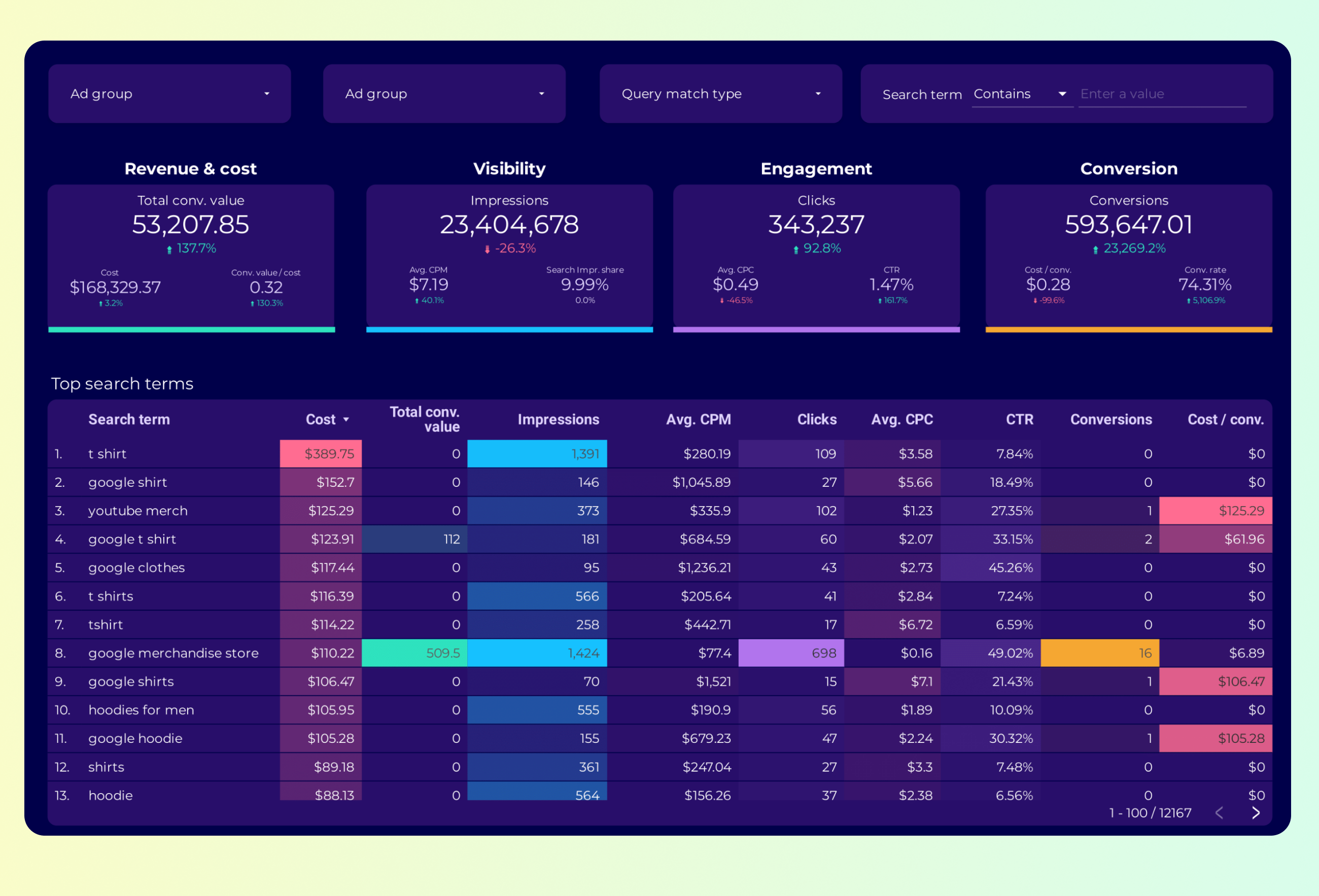
Unlock Your Google Ads Potential: A Beginner's Guide to Keyword Research
Hey there, future Google Ads guru! Ever feel like you're throwing money into a digital black hole with your advertising campaigns? Like you're shouting into the void and hoping someone, anyone, hears you? Yeah, we've all been there. You craft what you think is a killer ad, set your budget, and… crickets. The problem isn't necessarily your ad copy or even your product. Often, it boils down to one crucial thing: keywords.
Think of keywords as the secret handshake to get Google to show your ad to therightpeople. Imagine you're selling the most amazing organic dog treats in the world. You pour your heart and soul into making them, and you KNOW dogs everywhere would go crazy for them. But if you're bidding on keywords like "cat toys" or "cheap electronics," you're talking to the wrong audience. You're essentially trying to sell snow to Eskimos (sorry, a bit cliché, but you get the idea!).
Keyword research is the process of uncovering those hidden gems – the words and phrases your ideal customers areactuallyusing when they search for products or services like yours. It's like being a detective, digging for clues in the vast online landscape. And trust me, the payoff is HUGE. When you target the right keywords, you'll see more qualified leads, higher click-through rates, and ultimately, more sales. It's the difference between hoping someone stumbles upon your store and actively guiding them right to your doorstep.
But where do you even begin? The world of keyword research can seem daunting, filled with jargon and complex tools. That's why we've put together this beginner's guide to Google Ads keyword research. We're going to break down the process into easy-to-understand steps, so you can start attracting the right customers and maximizing your ad spend. Ready to unlock the potential of your Google Ads campaigns? Let's dive in!
Understanding the Basics of Keyword Research
Before we get into the nitty-gritty, let's establish a solid foundation. Whatexactlyis keyword research, and why is it so vital for your Google Ads success?
Keyword research is the process of identifying the terms people use when searching online for products, services, or information related to your business. It involves understanding your target audience, their needs, and the language they use. Think of it as building a bridge between what you offer and what your potential customers are looking for.
Why is this so important? Because Google Ads works on a bidding system. You bid on keywords, and when someone searches for those terms, your ad has a chance to appear. If you're bidding on irrelevant keywords, you're wasting your money on clicks from people who are unlikely to become customers. It's like setting up a lemonade stand in the middle of the desert – you might get some customers, but not nearly as many as if you set up shop in a park on a sunny day.
Here’s what smart keyword research helps you achieve:
- Attract the right audience: Target users actively searching for what you offer, increasing the likelihood of conversions. Imagine you sell handmade leather journals. Focusing on keywords like "handmade leather journal," "personalized journal," or "leather writing journal" will attract people specifically looking for these items.
- Improve your ad relevance: Google rewards relevant ads with higher ad rankings and lower costs. When your keywords closely match the user's search query, Google sees your ad as more relevant and is more likely to show it.
- Reduce wasted ad spend: Avoid paying for clicks from unqualified leads who are not interested in your products or services. Think of it like this: you wouldn't want to pay for billboards in a city where your target audience doesn't live. Keyword research ensures your ad spend is focused on reaching the right people.
- Discover new opportunities: Uncover hidden keyword gems and long-tail keywords you might not have considered. Long-tail keywords are longer, more specific phrases that often have lower competition and higher conversion rates. For example, instead of "shoes," you might target "comfortable running shoes for women with flat feet."
- Gain insights into customer behavior: Understand how your target audience searches and what motivates their purchase decisions. This knowledge can inform your overall marketing strategy and help you create more effective ad copy and landing pages.
Now that you understand the importance of keyword research, let's move on to the practical steps.
Step-by-Step Guide to Google Ads Keyword Research
Alright, let's get our hands dirty! Here’s a step-by-step guide to help you conquer the world of Google Ads keyword research, even if you're a complete beginner.
- Define Your Ideal Customer: Before you start brainstorming keywords, take a step back and think about your target audience. Who are they? What are their needs and pain points? What language do they use when searching for solutions? Create a detailed customer persona to guide your keyword research. For example, if you're selling eco-friendly cleaning products, your ideal customer might be a millennial who is health-conscious, environmentally aware, and willing to pay a premium for sustainable products.
- Brainstorm Initial Keywords: Start by listing all the words and phrases that you think your target audience might use when searching for your products or services. Don't be afraid to be creative and think outside the box. Think about different variations and synonyms. For example, if you sell custom-made t-shirts, your initial keyword list might include: "custom t-shirts," "personalized t-shirts," "design your own t-shirt," "printed t-shirts," and "custom apparel."
- Use Google Keyword Planner: Google Keyword Planner is a free tool that provides valuable data on keyword search volume, competition, and related keywords. It's your best friend in the keyword research process! To use it:
- Go to Google Ads (you'll need a Google account).
- Click on "Tools & Settings" in the top menu.
- Select "Keyword Planner."
- Choose "Discover new keywords."
- Enter your initial keywords and your website URL (optional).
- Click "Get Results."
- Analyze Keyword Planner Results: The Keyword Planner will provide a list of keyword suggestions, along with data on average monthly searches, competition, and suggested bid. Pay attention to:
- Search Volume: This indicates how many people are searching for a particular keyword each month. Aim for keywords with a decent search volume, but don't be afraid to target long-tail keywords with lower volume, as they often have higher conversion rates.
- Competition: This indicates how many other advertisers are bidding on the same keywords. Generally, lower competition keywords are easier to rank for and have lower costs.
- Suggested Bid: This is an estimate of how much you'll need to bid to get your ad to appear on the first page of search results.
- Explore Related Keywords: Don't just focus on your initial keywords. The Keyword Planner will also provide a list of related keywords that you might not have considered. These can be valuable opportunities to expand your reach and attract new customers. For example, if you're selling coffee beans, related keywords might include: "fair trade coffee," "organic coffee beans," "best coffee beans for espresso," and "coffee subscription."
- Use Other Keyword Research Tools: While Google Keyword Planner is a great starting point, there are other powerful tools that can provide additional insights. Some popular options include:
- SEMrush: A comprehensive SEO and keyword research tool that offers in-depth analysis and competitor research.
- Ahrefs: Another popular SEO tool with robust keyword research capabilities and backlink analysis.
- Moz Keyword Explorer: A user-friendly keyword research tool that provides data on keyword difficulty, opportunity, and potential.
- Ubersuggest: A free (with limitations) keyword research tool that offers keyword suggestions, content ideas, and competitor analysis.
- Analyze Your Competitors: See what keywords your competitors are bidding on. This can give you valuable insights into which keywords are working well in your industry. You can use tools like SEMrush or Ahrefs to analyze your competitors' keyword strategies. Imagine you own a local pizza restaurant. Analyzing your competitors might reveal that they're bidding on keywords like "best pizza near me," "pizza delivery [your city]," and "cheap pizza deals."
- Consider Keyword Match Types: Google Ads offers different keyword match types that control how closely your keywords need to match a user's search query for your ad to appear. Understanding these match types is crucial for optimizing your campaigns. The main match types are:
- Broad Match: Your ad can appear for searches that include your keyword, variations, synonyms, and related searches. This offers the widest reach but can also result in irrelevant clicks.
- Phrase Match: Your ad can appear for searches that include your keyword phrase, with additional words before or after. This offers a more targeted reach than broad match.
- Exact Match: Your ad can appear only for searches that exactly match your keyword phrase or close variations. This offers the most targeted reach but can limit your reach.
- Broad Match Modifier (BMM): Similar to broad match, but allows you to specify certain words that must be present in the search query for your ad to appear. This offers a balance between reach and relevance.
- Organize Your Keywords into Ad Groups: Group your keywords into logical ad groups based on themes or categories. This will help you create more relevant ads and landing pages. For example, if you're selling running shoes, you might create separate ad groups for "men's running shoes," "women's running shoes," and "trail running shoes."
- Use Negative Keywords: Negative keywords prevent your ads from appearing for irrelevant searches. This is crucial for avoiding wasted ad spend. For example, if you're selling new cars, you might add negative keywords like "used cars," "cheap cars," and "car repairs."
- Test and Refine: Keyword research is an ongoing process. Continuously monitor your campaign performance, track your keyword metrics, and make adjustments as needed. Test different keywords, match types, and ad copy to optimize your results.
Advanced Keyword Research Techniques
Once you've mastered the basics, you can explore some more advanced techniques to take your keyword research to the next level.
- Leverage Long-Tail Keywords: Don't underestimate the power of long-tail keywords. These longer, more specific phrases often have lower competition and higher conversion rates. Think of them as hidden gems that can drive targeted traffic to your website. For example, instead of "dog food," you might target "grain-free dog food for sensitive stomachs" or "best organic dog food for puppies."
- Explore Question Keywords: Identify questions that your target audience is asking online. These can be great opportunities to create informative content and attract users who are actively seeking solutions to their problems. You can use tools like Answer The Public to find question keywords related to your industry. For example, if you're selling accounting software, question keywords might include: "how to file taxes," "what is the best accounting software for small businesses," and "how to create a budget."
- Analyze Search Intent: Understand the intent behind a user's search query. Are they looking to buy something, research a topic, or find a local business? Tailor your keywords and ad copy to match the user's intent. For example, someone searching for "buy running shoes" is likely ready to make a purchase, while someone searching for "best running shoes for beginners" is probably still in the research phase.
- Use Geo-Targeting: If you're a local business, use geo-targeting to target your ads to specific geographic areas. This will ensure that your ads are only shown to users who are located near your business. For example, if you own a bakery in Chicago, you can target your ads to users within a 25-mile radius of your bakery.
- Monitor Trends: Stay up-to-date on the latest trends in your industry. This can help you identify new keywords and opportunities to reach your target audience. You can use tools like Google Trends to monitor search trends related to your industry.
Common Mistakes to Avoid
Even with the best intentions, it's easy to make mistakes with keyword research. Here are some common pitfalls to avoid:
- Ignoring Negative Keywords: As mentioned earlier, negative keywords are crucial for preventing your ads from appearing for irrelevant searches. Don't neglect this important step! Regularly review your search term report and add any irrelevant terms to your negative keyword list.
- Focusing Only on Broad Keywords: While broad keywords can generate a lot of traffic, they often result in irrelevant clicks and wasted ad spend. Focus on a mix of broad, phrase, and exact match keywords to target your audience more effectively.
- Not Testing and Refining: Keyword research is not a one-time task. Continuously monitor your campaign performance, track your keyword metrics, and make adjustments as needed. Don't be afraid to experiment with different keywords, match types, and ad copy to optimize your results.
- Overlooking Mobile Optimization: With the increasing use of mobile devices, it's essential to optimize your keywords and ads for mobile users. Consider using mobile-specific keywords and ad copy.
- Ignoring User Experience: Keyword research is just one piece of the puzzle. Make sure your website and landing pages provide a positive user experience. A fast-loading website, clear navigation, and compelling content are essential for converting clicks into customers.
Keyword Research FAQs
Let's tackle some common questions you might have about Google Ads keyword research.
-
What is the difference between SEO and Google Ads keyword research?
While both SEO and Google Ads involve keyword research, their goals are different. SEO focuses on optimizing your website to rank organically in search results, while Google Ads focuses on paying for ads to appear at the top of search results. The keyword research process is similar, but the specific keywords you target may differ based on your goals.
-
How often should I conduct keyword research?
Keyword research should be an ongoing process. Regularly monitor your campaign performance, track your keyword metrics, and make adjustments as needed. You should also conduct keyword research whenever you launch a new product or service or target a new market.
-
What is the best way to track keyword performance?
Google Ads provides a variety of metrics to track keyword performance, including impressions, clicks, click-through rate (CTR), cost-per-click (CPC), conversions, and cost-per-conversion. Monitor these metrics regularly to identify which keywords are performing well and which ones need improvement.
-
How much should I bid on keywords?
The optimal bid for a keyword depends on a variety of factors, including the keyword's search volume, competition, and your campaign goals. Start with the suggested bid provided by Google Keyword Planner and adjust your bids based on your campaign performance. Consider using automated bidding strategies to optimize your bids for maximum ROI.
So, there you have it, friends! A comprehensive beginner's guide to Google Ads keyword research. We've covered the basics, delved into advanced techniques, and addressed common mistakes to avoid. Now it's time to put your newfound knowledge into practice!
Keyword research can feel like a daunting task, but it's one of the most important investments you can make in your Google Ads campaigns. By understanding your target audience, identifying the right keywords, and continuously optimizing your campaigns, you can attract more qualified leads, improve your ad relevance, and ultimately, drive more sales.
Remember, keyword research is an ongoing process. Don't be afraid to experiment, test different strategies, and learn from your mistakes. The more you practice, the better you'll become at uncovering those hidden keyword gems that can unlock the full potential of your Google Ads campaigns.
Now go forth and conquer the world of Google Ads! Happy researching!
We've journeyed through the ins and outs of Google Ads keyword research, equipping you with the knowledge to transform your ad campaigns. From defining your ideal customer to leveraging long-tail keywords, and understanding match types, you're now ready to attract the right audience and maximize your ad spend. Remember, the key is continuous testing, refinement, and staying updated with the latest trends.
Ready to put your knowledge to the test? Start by revisiting your current Google Ads campaign or creating a new one. Use the strategies we discussed to refine your keyword list, create targeted ad groups, and optimize your bids. Remember to track your results and make adjustments as needed. The journey to becoming a Google Ads pro starts with that first step.
Don't just sit there – take action! Implement these strategies today and watch your Google Ads campaigns flourish. You've got the knowledge, you've got the tools, now go make it happen! Feeling overwhelmed? Remember, every expert was once a beginner. Keep learning, keep experimenting, and keep pushing forward. Success is within your reach!

Post a Comment for "Beginner’s Guide to Google Ads Keyword Research"
Post a Comment