Joe Biden’s Climate Change Policies and Future Plans
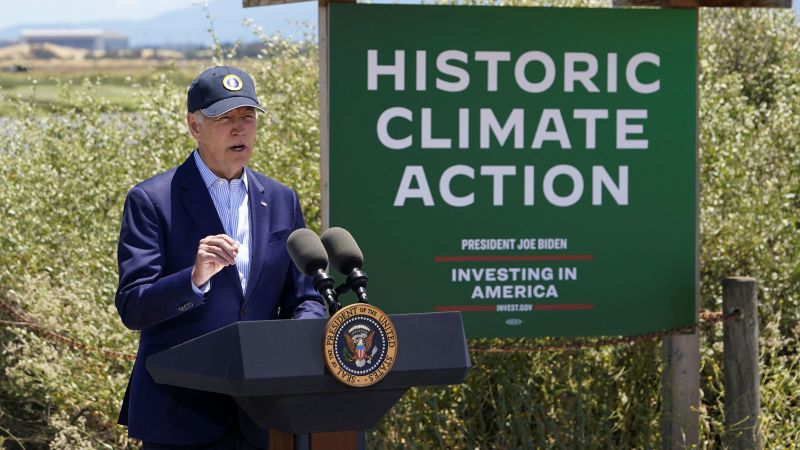
Joe Biden's Climate Vision: Shaping a Sustainable Future
Hey everyone! Ever feel like Mother Nature's been sending us some pretty strong hints lately? From scorching summers to unpredictable storms, it's hard to ignore the changes happening around us. Climate change isn't just some abstract concept anymore; it's affecting our daily lives, our communities, and even our wallets. Think about it – the price of groceries going up because of droughts impacting crops, or having to crank up the AC even higher just to stay cool. It's real, and it's here. But what's being done about it, and more specifically, what's the plan to turn things around? That's where Joe Biden's climate policies and future plans come into play. They're not just about saving the planet; they're about building a more resilient, prosperous, and equitable future for all of us. So, stick around, and let's dive into the details of Biden's climate agenda. What innovative strategies are being deployed, and what impact can we realistically expect? Let’s explore how these policies are designed to impact our lives, and how they aim to create a greener, more sustainable world for generations to come. Let's get started!
Understanding the Urgency: Why Climate Action Matters Now
Climate change is no longer a distant threat; it's a present reality. We're seeing more frequent and intense heatwaves, devastating wildfires, and rising sea levels that threaten coastal communities. These changes aren't just environmental; they have profound economic and social consequences. Extreme weather events can disrupt supply chains, increase insurance costs, and displace communities, leading to instability and hardship. Ignoring these warning signs is simply not an option. We need to act decisively to mitigate the worst effects of climate change and build a more resilient future. And that's where the importance of robust climate policies comes into play. They're not just about protecting the environment; they're about safeguarding our economy, our health, and our way of life.
Biden's Ambitious Goals: Setting the Stage for a Green Transformation
President Biden has set ambitious goals for tackling climate change, including achieving a 50-52% reduction in greenhouse gas emissions from 2005 levels by 2030 and reaching net-zero emissions by 2050. These targets are not just aspirational; they represent a fundamental shift in how we produce and consume energy. Achieving these goals requires a comprehensive strategy that includes investing in clean energy, modernizing infrastructure, and promoting sustainable practices across all sectors of the economy. Let's take a closer look at some of the key pillars of Biden's climate agenda.
Key Pillars of Biden's Climate Agenda:
• Investing in Renewable Energy: Transitioning to a clean energy economy is at the heart of Biden's climate plan. This includes significant investments in solar, wind, and other renewable energy sources. The goal is to make clean energy more affordable and accessible to all Americans, creating jobs and reducing our reliance on fossil fuels. For example, the Inflation Reduction Act includes tax credits and incentives for homeowners and businesses to install solar panels, purchase electric vehicles, and invest in energy-efficient technologies. Imagine a future where your home is powered by the sun and your car runs on clean electricity – that's the vision Biden's climate plan is working towards.
• Modernizing Infrastructure: Our nation's infrastructure is aging and in need of repair. Biden's infrastructure plan includes investments in upgrading our electric grid, building charging stations for electric vehicles, and improving public transportation. These upgrades are essential for supporting the transition to a clean energy economy and reducing emissions from transportation, which is one of the largest sources of greenhouse gases in the United States. Think about it – a modern, efficient infrastructure can not only reduce emissions but also create jobs and improve the quality of life for all Americans.
• Promoting Energy Efficiency: Energy efficiency is a critical component of any climate plan. Biden's agenda includes initiatives to improve the energy efficiency of buildings, appliances, and industrial processes. This includes incentives for homeowners to weatherize their homes, upgrade to energy-efficient appliances, and install smart thermostats. By reducing energy consumption, we can lower our carbon footprint and save money on our energy bills.
• Protecting Natural Resources: Our forests, wetlands, and other natural resources play a vital role in absorbing carbon dioxide from the atmosphere. Biden's climate plan includes initiatives to protect and restore these natural ecosystems, including planting trees, conserving forests, and restoring wetlands. These efforts not only help mitigate climate change but also provide other benefits, such as clean water, wildlife habitat, and recreational opportunities.
• Environmental Justice: Climate change disproportionately affects low-income communities and communities of color. Biden's climate plan includes a focus on environmental justice, ensuring that these communities benefit from clean energy investments and are protected from pollution. This includes directing investments to underserved communities, cleaning up polluted sites, and creating green jobs in areas that have been historically marginalized.
Real-World Examples: How Biden's Policies Are Already Making a Difference
It's not just about promises; Biden's climate policies are already having a tangible impact. The Inflation Reduction Act, for example, is projected to significantly reduce greenhouse gas emissions and create millions of clean energy jobs. We're seeing increased investment in renewable energy projects across the country, from solar farms in the desert to wind turbines off the coast. These projects are not only generating clean electricity but also creating economic opportunities for local communities. Moreover, the administration is working to strengthen environmental regulations and hold polluters accountable, ensuring that our air and water are clean and safe.
Challenges and Obstacles: Navigating the Road Ahead
While Biden's climate agenda is ambitious and promising, there are significant challenges and obstacles to overcome. Political opposition, technological hurdles, and economic constraints all pose potential roadblocks. Building broad support for climate action requires effective communication, collaboration, and compromise. We need to engage with stakeholders from all sectors of society, including businesses, labor unions, and environmental groups, to find common ground and build a consensus around climate solutions. Moreover, we need to continue investing in research and development to accelerate the deployment of clean energy technologies and overcome technical challenges. It's a complex and multifaceted challenge, but with determination and innovation, we can overcome these obstacles and build a more sustainable future.
The Global Con Leading by Example on the World Stage
Climate change is a global problem that requires global solutions. The United States has a responsibility to lead by example and work with other countries to reduce emissions and promote sustainable development. Biden has rejoined the Paris Agreement and is working to strengthen international cooperation on climate change. This includes setting ambitious national targets, providing financial assistance to developing countries, and promoting the transfer of clean energy technologies. By working together, we can accelerate the global transition to a clean energy economy and protect our planet for future generations.
What Can You Do?: Taking Action in Your Own Life
Addressing climate change requires a collective effort. While government policies and corporate actions are essential, individuals also have a role to play. There are many things you can do in your own life to reduce your carbon footprint and support climate action. This includes conserving energy, reducing waste, eating sustainably, and advocating for climate-friendly policies. Every little bit helps, and together, we can make a big difference.
• Conserve Energy: Simple things like turning off lights when you leave a room, using energy-efficient appliances, and adjusting your thermostat can significantly reduce your energy consumption.
• Reduce Waste: Reducing your consumption, reusing items, and recycling materials can help minimize waste and conserve resources.
• Eat Sustainably: Choosing locally sourced, plant-based foods can reduce the carbon footprint of your diet.
• Advocate for Climate-Friendly Policies: Contact your elected officials and let them know that you support climate action.
Future Predictions: What to Expect in the Coming Years
The next few years will be critical for implementing Biden's climate agenda and achieving our emissions reduction targets. We can expect to see continued investment in renewable energy, infrastructure upgrades, and energy efficiency programs. We can also anticipate stricter environmental regulations and increased efforts to hold polluters accountable. Moreover, we can expect to see continued innovation in clean energy technologies, making them more affordable and accessible. The transition to a clean energy economy will not happen overnight, but with sustained effort and commitment, we can build a more sustainable future for all.
Expert Perspectives: Insights from Climate Leaders
Climate scientists, economists, and policy experts agree that urgent action is needed to address climate change. They emphasize the importance of investing in clean energy, modernizing infrastructure, and promoting sustainable practices. They also highlight the need for international cooperation and a focus on environmental justice. By listening to the experts and taking their advice to heart, we can make informed decisions and build a more resilient and sustainable future.
Addressing Common Misconceptions: Separating Fact from Fiction
There are many misconceptions about climate change that can hinder progress. It's important to separate fact from fiction and base our actions on sound scientific evidence. For example, some people believe that climate change is a hoax or that it's too late to do anything about it. These beliefs are simply not supported by the evidence. Climate change is real, it's happening now, and we can still take action to mitigate its worst effects. By dispelling these misconceptions, we can build a more informed and engaged public and accelerate the transition to a clean energy economy.
The Economic Benefits of Climate Action: Creating Jobs and Boosting Growth
Investing in climate action is not just good for the environment; it's also good for the economy. The transition to a clean energy economy can create millions of jobs in renewable energy, energy efficiency, and sustainable transportation. It can also boost economic growth by stimulating innovation and attracting investment. Moreover, it can reduce our reliance on fossil fuels, which are subject to price volatility and geopolitical instability. By embracing climate action, we can create a more prosperous and resilient economy for all Americans.
Climate Action and National Security: Protecting Our Interests at Home and Abroad
Climate change poses a significant threat to national security. Rising sea levels, extreme weather events, and resource scarcity can destabilize regions, exacerbate conflicts, and displace populations. By taking action to address climate change, we can protect our national interests at home and abroad. This includes investing in resilient infrastructure, strengthening our disaster preparedness, and working with our allies to address climate-related security risks. By integrating climate considerations into our national security strategy, we can build a more secure and sustainable world.
The Role of Technology: Innovation as a Catalyst for Change
Technology plays a critical role in addressing climate change. Innovation in renewable energy, energy storage, and carbon capture can help us reduce emissions and transition to a clean energy economy. Investing in research and development is essential for accelerating the deployment of these technologies and making them more affordable and accessible. Moreover, technology can help us monitor and track climate change impacts, enabling us to make informed decisions and adapt to changing conditions. By embracing technological innovation, we can unlock new solutions and accelerate the transition to a sustainable future.
Building a Resilient Future: Adapting to a Changing Climate
Even if we take aggressive action to reduce emissions, some degree of climate change is inevitable. It's important to build a resilient future by adapting to the changing climate. This includes investing in infrastructure that can withstand extreme weather events, developing drought-resistant crops, and protecting coastal communities from rising sea levels. Moreover, it includes promoting climate-smart agriculture, managing water resources sustainably, and protecting biodiversity. By building resilience, we can minimize the impacts of climate change and protect our communities and ecosystems.
The Importance of Public Awareness: Educating and Engaging Communities
Public awareness is essential for driving climate action. Educating communities about the causes and consequences of climate change can motivate individuals to take action and support climate-friendly policies. This includes providing accurate information, engaging in open and honest dialogue, and empowering communities to develop their own solutions. Moreover, it includes promoting environmental literacy in schools, supporting community-based initiatives, and celebrating successes. By raising public awareness, we can build a more informed and engaged public and accelerate the transition to a sustainable future.
Joe Biden's Climate Change Policies and Future Plans: Questions and Answers
Let's tackle some frequently asked questions about Biden's climate policies to clear up any confusion:
• What are the main goals of Biden's climate plan?
Biden's plan aims to achieve a 50-52% reduction in greenhouse gas emissions by 2030 and net-zero emissions by 2050, primarily by investing in renewable energy, modernizing infrastructure, and promoting energy efficiency.
• How will Biden's climate policies affect the average American?
The policies are expected to create jobs in clean energy sectors, lower energy costs through efficiency improvements, and improve public health by reducing pollution. Tax credits and incentives will also make clean energy technologies more accessible.
• What are the biggest challenges in implementing Biden's climate agenda?
Political opposition, technological limitations, and economic costs are significant challenges. Building broad support and ensuring equitable distribution of benefits are also crucial.
• How does Biden's climate plan compare to other countries' efforts?
Biden's plan is one of the most ambitious globally, aligning with international efforts under the Paris Agreement. It emphasizes U.S. leadership in promoting global climate action and cooperation.
A Greener Tomorrow: Taking the Next Steps
So, friends, we've journeyed through the landscape of Joe Biden's climate change policies and future plans. We've seen the ambitious goals, the key strategies, and the potential impacts on our lives and the planet. From investing in renewable energy to modernizing infrastructure and prioritizing environmental justice, the plan is comprehensive and forward-looking. But, let's be real – plans are just plans until we act. The real magic happens when we, as individuals and as a community, step up and do our part. So, what can you do right now? Start small! Take a look at your own energy consumption, your transportation choices, and your consumption habits. Can you make some changes? Can you support businesses and organizations that are committed to sustainability? Can you reach out to your elected officials and let them know that you care about climate action? Every action counts, and together, we can create a greener, more sustainable future for ourselves and for generations to come. It’s time to be proactive and informed, contributing to a collective effort that benefits us all. Go out there and be the change! What small step will you take today to make a difference?

Post a Comment for "Joe Biden’s Climate Change Policies and Future Plans"
Post a Comment