Joe Biden’s Climate Change Policies and Future Plans
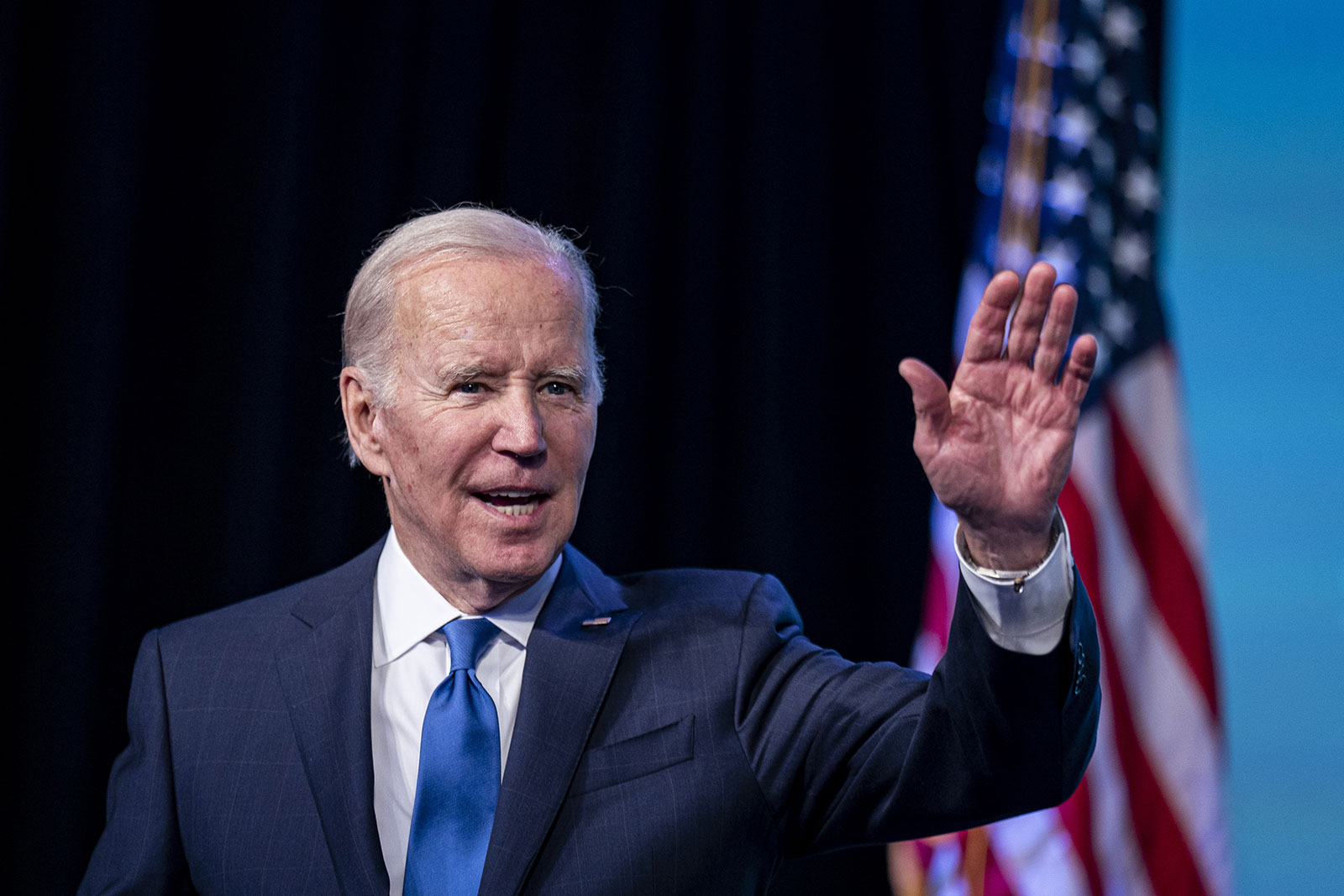
The Climate Crossroads: Decoding Joe Biden's Environmental Vision
Hey there, earthlings! Ever feel like the weather's been acting a little…off lately? Like that one friend who suddenly starts wearing socks with sandals? Yeah, that's climate change for you. It's not just about polar bears anymore (though, seriously, save the polar bears!). It’s about increasingly wild weather patterns, rising sea levels that threaten coastal cities, and even potential impacts on your morning coffee (gasp!). It’s a big, complicated mess, and honestly, figuring out what to do about it can feel like trying to assemble IKEA furniture without the instructions.
That’s where policies come in, those often-dreaded but ultimately necessary guides to navigating complex issues. And when it comes to climate change on a national scale, the spotlight's often on the President of the United States. Joe Biden, upon entering office, signaled a significant shift in the nation's approach to environmental concerns, positioning climate action as a central pillar of his administration. But what exactlyarethese policies? What’s the grand plan? And, more importantly, will any of it actually work? Think of this as your cheat sheet to understanding Biden's climate agenda – the good, the potentially challenging, and everything in between. Ready to dive in? Buckle up, because we're about to unpack it all!
Joe Biden's Climate Change Policies and Future Plans: A Deep Dive
Okay, friends, let's get into the nitty-gritty. Biden's climate policy isn't just one big pronouncement; it's a multifaceted strategy with goals, targets, and a whole lot of moving parts. Let's break it down into manageable chunks so we can see what's actually happening and what's planned for the future.
The Big Picture: Setting Ambitious Goals
The cornerstone of Biden's climate agenda is setting ambitious targets. Think of it as aiming for the moon, even if you're not entirely sure how you'll get there. The main goal? Achieving a 50-52% reduction from 2005 levels in economy-wide net greenhouse gas pollution by 2030. Ambitious, right? The ultimate goal is to achieve net-zero emissions by
2050. This means balancing the amount of greenhouse gases produced with the amount removed from the atmosphere.
How does he plan to get there? Well, here's a peek:
• Rejoining the Paris Agreement: Remember that global climate pact that the US previously exited? Well, Biden brought us back in, signaling a renewed commitment to international cooperation on climate change. This is crucial because climate change is a global problem that requires global solutions. Think of it as getting everyone to agree on the rules of the game before the match even starts.
• Executive Orders and Policy Directives: Biden has used executive orders to set the tone and direction for federal agencies on climate-related issues. These orders cover a wide range of topics, from pausing new oil and gas leases on public lands to directing agencies to prioritize climate considerations in their decision-making.
• Investing in Clean Energy: A core strategy involves pouring money into renewable energy sources like solar, wind, and geothermal. This includes tax credits, grants, and loan programs designed to incentivize the development and deployment of clean energy technologies. Think of it as planting a garden of clean energy solutions that will hopefully bloom into a sustainable future.
Powering the Future: The Clean Energy Transition
Okay, so setting goals is one thing, but actuallydoingsomething is where the rubber meets the road. Biden's plan heavily emphasizes a transition to clean energy, and this involves a whole host of initiatives. Let's take a look:
• Boosting Renewable Energy: Solar power, wind energy, geothermal – you name it, Biden's administration wants to ramp it up. The goal is to make renewable energy more accessible and affordable for everyone.
• Modernizing the Grid: Think of the electricity grid as the highway system for power. It's old, outdated, and needs a major upgrade to handle the influx of renewable energy. Biden's plan includes investments in modernizing the grid to make it more resilient, efficient, and capable of transmitting clean energy across the country.
• Electrifying Transportation: Cars, trucks, buses – they're all going electric! Biden's administration is pushing for the adoption of electric vehicles (EVs) through tax credits, rebates, and investments in charging infrastructure. The goal is to make EVs more affordable and convenient, so more people will switch to electric.
• Energy Efficiency: Using less energy in the first place is a no-brainer, right? Biden's plan includes initiatives to improve energy efficiency in buildings, appliances, and industrial processes. This includes things like weatherizing homes, upgrading to energy-efficient appliances, and implementing smarter building codes.
Creating Jobs and Ensuring Equity
Here's a key point that's often overlooked: addressing climate change can also create jobs and improve economic opportunities for all Americans. Biden's plan emphasizes that climate action and economic growth can go hand-in-hand. He aims to ensure that the transition to a clean energy economy benefits everyone, especially those who have been historically disadvantaged.
• Creating Green Jobs: Investing in renewable energy, electric vehicles, and energy efficiency creates jobs in manufacturing, construction, and technology. Biden's plan includes training programs to help workers acquire the skills they need to succeed in the clean energy economy.
• Environmental Justice: Biden's administration is committed to addressing environmental injustices that disproportionately affect communities of color and low-income communities. This includes cleaning up polluted sites, reducing air and water pollution, and ensuring that all communities have access to clean energy and clean transportation.
• Investing in Disadvantaged Communities: Biden's plan directs investments to communities that have been historically disadvantaged by pollution and climate change. This includes funding for infrastructure improvements, clean energy projects, and job training programs.
Challenges and Criticisms: Navigating the Road Ahead
Now, let's be real, no plan is perfect, and Biden's climate agenda faces some significant hurdles. It's not all sunshine and rainbows. There's always going to be challenges, debates, and areas for improvement.
• Political Opposition: Climate change remains a politically charged issue, and Biden's policies face resistance from some Republicans and even some Democrats who are concerned about the economic impacts of transitioning away from fossil fuels.
• Technological Hurdles: Some of the technologies needed to achieve net-zero emissions, such as carbon capture and storage, are still under development and need to be scaled up significantly.
• Economic Costs: Transitioning to a clean energy economy requires significant investments, and there are concerns about the potential costs to businesses and consumers.
• Global Cooperation: Addressing climate change requires global cooperation, and it remains to be seen whether all countries will be willing to take the necessary steps to reduce their emissions.
The Inflation Reduction Act: A Game Changer?
One of the most significant pieces of legislation passed during Biden's presidency is the Inflation Reduction Act (IRA). While it's primarily focused on healthcare costs and inflation, it also includes substantial investments in climate change and clean energy. Many experts believe the IRA could be a game-changer in the fight against climate change. Here’s how:
• Massive Investments: The IRA allocates hundreds of billions of dollars to clean energy tax credits, grants, and loan programs. This funding is expected to accelerate the deployment of renewable energy, electric vehicles, and other clean technologies.
• Lowering Energy Costs: The IRA includes provisions to lower energy costs for consumers, such as tax credits for energy-efficient appliances and home improvements.
• Boosting American Manufacturing: The IRA incentivizes domestic manufacturing of clean energy technologies, creating jobs and strengthening the American economy.
• Reducing Emissions: Experts estimate that the IRA could reduce U.S. emissions by roughly 40% below 2005 levels by 2030, bringing the country closer to its climate goals.
Looking to the Future: What's Next?
So, what does the future hold for Biden's climate agenda? Well, a lot depends on factors like political developments, technological advancements, and global cooperation. But here are a few things to keep an eye on:
• Regulatory Actions: The Biden administration is expected to continue using regulatory actions to reduce emissions from various sectors of the economy, such as power plants, transportation, and industry.
• International Diplomacy: The U.S. will likely continue to play a leading role in international climate negotiations, pushing for more ambitious climate action from other countries.
• Technological Innovation: Continued investments in research and development will be crucial for developing the breakthrough technologies needed to achieve net-zero emissions.
• Public Engagement: Ultimately, addressing climate change requires broad public support and engagement. Raising awareness, educating the public, and empowering individuals to take action are essential for building a sustainable future.
Questions and Answers
Still feeling a little lost in the climate conversation? Here are a few frequently asked questions to help you wrap your head around it all:
Q: What's the difference between "climate change" and "global warming?"
A: While often used interchangeably, global warming refers specifically to the increase in Earth's average temperature. Climate change is a broader term that encompasses changes in temperature, precipitation, and other weather patterns.
Q: Can one person actually make a difference when it comes to climate change?
A: Absolutely! While systemic change is crucial, individual actions collectively add up. Things like reducing your energy consumption, eating less meat, using public transportation, and supporting sustainable businesses can all make a positive impact. And don't underestimate the power of your voice – talk to your friends, family, and elected officials about climate change.
Q: What is carbon capture and storage (CCS), and why is it important?
A: CCS involves capturing carbon dioxide emissions from industrial sources or directly from the atmosphere and storing it underground, preventing it from entering the atmosphere and contributing to climate change. CCS is considered a potentially important technology for reducing emissions from sectors that are difficult to decarbonize, such as heavy industry.
Q: How does climate change affect me personally?
A: Climate change is already affecting people in various ways, and these impacts are expected to worsen in the future. These can include more extreme weather events (like heatwaves, floods, and droughts), rising sea levels that threaten coastal communities, and disruptions to agriculture and food supplies. It can also affect your health through things like increased air pollution and the spread of infectious diseases.
Wrapping it Up: A Call to Action
So, there you have it: a crash course on Joe Biden's climate policies and future plans. We've covered the ambitious goals, the strategies for transitioning to clean energy, the emphasis on job creation and equity, the challenges that lie ahead, and the potential game-changing impact of the Inflation Reduction Act. It's a complex and evolving landscape, but hopefully, you now have a better understanding of the direction the U.S. is headed under Biden's leadership.
But this isn't just about understanding policies; it's about taking action. Climate change is a challenge that requires everyone to play a part. Whether it's supporting policies that promote clean energy, making changes in your own life to reduce your carbon footprint, or simply talking to your friends and family about the importance of climate action, every little bit helps.
So, what's one thing you can do today to make a difference? Maybe it's switching to energy-efficient light bulbs, taking public transportation instead of driving, or supporting a local organization that's working to protect the environment. Whatever it is, take that first step. The future of our planet depends on it. Let's get to work!

Post a Comment for "Joe Biden’s Climate Change Policies and Future Plans"
Post a Comment