Safety Measures after the Mexican Navy Ship Brooklyn Bridge Incident
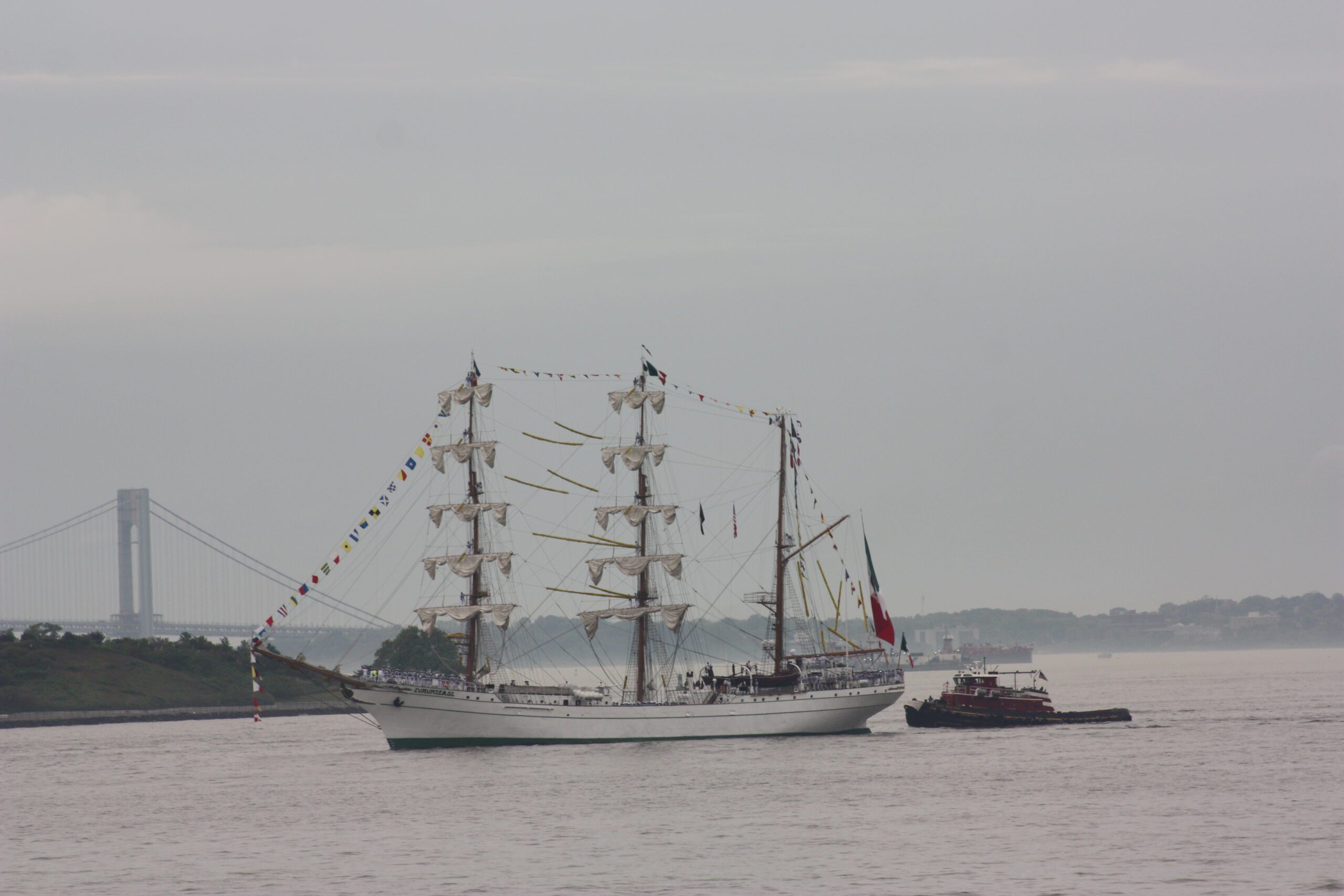
After Brooklyn Bridge Mishap: Hard Lessons and Heightened Safety for Naval Vessels
Hey there, fellow shipmates and safety enthusiasts! Ever have one of those days where everything just seems to go wrong? Well, imagine that on amuchlarger scale, involving a naval vessel, one of the most iconic bridges in the world, and a whole lot of potential "uh oh" moments. We’re talking about the incident involving a Mexican Navy ship and the Brooklyn Bridge.
Now, I know what you might be thinking: "A ship... hitting the Brooklyn Bridge? Seriously?" Trust me, I had the same reaction. It sounds like something straight out of a movie – perhaps a comedic one, if not for the real-world implications. But, believe it or not, this actually happened a few years back (though details are still sometimes murky and varying accounts exist). While thankfully, the damage was minimal and no one was seriously hurt, it served as a serious wake-up call, highlighting the critical importance of stringent safety measures when navigating large vessels in complex environments. Think of it as a maritime "oops" heard 'round the world, prompting some serious head-scratching and policy adjustments.
So, why shouldyoucare? Well, beyond the obvious "avoiding colossal bridge-ship collisions," the incident sparked a significant reevaluation of navigational protocols and training procedures within naval forces and the broader maritime community. These changes, designed to prevent future incidents, impact everything from the technology used on ships to the way crews are trained and even the way harbors are managed. This means safer waterways for everyone – whether you're piloting a cargo ship, a pleasure yacht, or simply enjoying a ferry ride.
We're going to dive deep into the ripple effects of this incident, exploring the enhanced safety measures implemented in its wake. From advanced navigational systems to revamped training programs, we'll uncover how the maritime world is working to ensure that history doesn't repeat itself. So buckle up, because we're about to set sail on a journey to understand how a near-miss can lead to significant and lasting improvements in maritime safety. Ready to learn how one incident changed the course of naval navigation? Let's get started!
Navigational Technology Upgrades: A High-Tech Shield
The old adage "measure twice, cut once" applies to navigation, but with even higher stakes. Think of a ship navigating a busy harbor as a car trying to merge onto a packed highway – except the "car" weighs thousands of tons and can't exactly slam on the brakes. After the Brooklyn Bridge incident, one of the first areas to receive a major overhaul was navigational technology. We're talking about upgrades that go way beyond your standard GPS.
• Enhanced Radar Systems:
Imagine radar that can not only detect other vessels but also create a detailed 3D map of the surrounding environment, including bridges, underwater structures, and even the shoreline. These advanced radar systems provide real-time data, allowing navigators to see potential hazards clearly, even in adverse weather conditions like fog or heavy rain. It’s like giving the captain a pair of superhero glasses that can see through anything!
• Electronic Chart Display and Information Systems (ECDIS):
These are basically the digital equivalent of nautical charts, but on steroids. ECDIS integrates real-time data from various sensors – GPS, radar, depth sounders – to provide a comprehensive view of the ship's position and its surroundings. Think of it as a super-smart GPS for ships, constantly updating and alerting the crew to potential dangers.
• Automatic Identification System (AIS) Integration:
AIS is like a digital transponder for ships, broadcasting their identity, position, course, and speed to other vessels and shore-based stations. Integrating AIS data into navigational systems provides a crucial layer of situational awareness, allowing navigators to anticipate the movements of other ships and avoid collisions. It’s like having a real-time "who's who" and "where's where" of all the ships in the area.
• Real-Time Kinematic (RTK) GPS:
Standard GPS is pretty good, but RTK GPS takes it to a whole new level of accuracy. By using a network of fixed base stations, RTK GPS can provide centimeter-level precision, allowing navigators to pinpoint their ship's position with incredible accuracy. This is particularly important when navigating in narrow channels or close to bridges and other structures. It's like having a GPS that can tell you exactly which floor you're on in a building, but for ships!
Revamped Training Programs: Sharpening the Human Element
Technology is fantastic, but it's only as good as the people using it. Recognizing this, naval forces and maritime academies have implemented significant changes to their training programs, focusing on both technical skills and decision-making abilities. The goal is to create a new generation of navigators who are not only proficient with the latest technology but also capable of handling unexpected situations with confidence and competence.
• Simulator Training:
Imagine a flight simulator, but for ships. These sophisticated simulators can replicate a wide range of scenarios, from navigating through narrow channels in dense fog to dealing with engine failures in heavy seas. This allows trainees to practice their skills in a safe and controlled environment, without the risk of damaging the ship or endangering lives. It’s like a video game, but with real-world consequences.
• Bridge Resource Management (BRM):
BRM training focuses on improving communication and teamwork on the bridge of a ship. It teaches crews how to work together effectively, share information, and make decisions collaboratively. This is particularly important in high-stress situations, where clear communication and coordination can make the difference between success and disaster. It’s like turning the bridge into a well-oiled machine, where everyone knows their role and works together seamlessly.
• Emphasis on Situational Awareness:
Navigators need to be constantly aware of their surroundings, not just what's on the radar screen or the ECDIS display. Training programs now emphasize the importance of visual observation, listening to radio communications, and understanding the overall traffic patterns in the area. It’s like teaching navigators to be detectives, constantly gathering clues and piecing together the big picture.
• Cross-Cultural Communication Training:
In today's globalized world, ships often have crews from many different countries and cultures. Effective communication is essential for safe navigation, but language barriers and cultural differences can sometimes create misunderstandings. Cross-cultural communication training helps crew members understand and appreciate different communication styles, reducing the risk of miscommunication and improving teamwork. It’s like learning a new language, but for people, not just words.
Stricter Navigational Regulations and Procedures: Setting Clear Boundaries
Sometimes, even the best technology and training aren't enough. That's why many ports and waterways have implemented stricter regulations and procedures to govern the movement of large vessels, particularly in sensitive areas like bridges and narrow channels. These regulations are designed to provide an extra layer of safety, reducing the risk of accidents and protecting critical infrastructure.
• Mandatory Pilotage:
A maritime pilot is an expert navigator with specialized knowledge of a particular port or waterway. Requiring large vessels to use a pilot when navigating in certain areas ensures that someone with local expertise is on board, guiding the ship safely through the tricky spots. It’s like having a local guide who knows all the shortcuts and hidden dangers.
• Vessel Traffic Services (VTS):
VTS is like air traffic control, but for ships. VTS centers monitor the movements of vessels in a particular area, providing information and guidance to help them navigate safely. They can also intervene if a vessel is acting erratically or appears to be in danger. It’s like having a watchful eye in the sky, making sure everyone is following the rules of the road.
• Restricted Areas and Speed Limits:
Some areas, like those near bridges or sensitive environmental habitats, may be designated as restricted areas, with specific rules about what types of vessels can enter and how fast they can travel. These restrictions are designed to minimize the risk of damage to infrastructure or the environment. It’s like having a "no speeding" zone for ships.
• Enhanced Communication Protocols:
Clear and consistent communication is essential for safe navigation. Ports and waterways often have specific communication protocols that vessels must follow, including designated radio channels, reporting requirements, and procedures for requesting assistance. It’s like having a secret code that everyone understands.
Infrastructure Improvements: Protecting Our Bridges and Waterways
Safety isn't just about ships and people; it's also about the infrastructure they interact with. In the wake of incidents like the Brooklyn Bridge near-miss, there's been a renewed focus on protecting bridges, waterways, and other critical infrastructure from potential damage.
• Bridge Protection Systems:
These systems are designed to prevent ships from colliding with bridges. They can include physical barriers, like fenders or dolphins, as well as electronic monitoring systems that detect when a vessel is getting too close. It’s like putting a bumper on a bridge.
• Improved Channel Markings:
Clear and well-maintained channel markings are essential for safe navigation. This includes buoys, beacons, and other aids to navigation that guide vessels through the waterway. It’s like having a well-lit road for ships.
• Regular Inspections and Maintenance:
Bridges and other maritime infrastructure need to be regularly inspected and maintained to ensure they are in good condition. This includes checking for structural damage, corrosion, and other potential problems. It’s like giving a bridge a regular checkup.
• Dredging and Channel Deepening:
Maintaining adequate water depth in channels is crucial for safe navigation. Dredging removes sediment and debris from the channel, ensuring that ships have enough clearance to pass safely. Channel deepening can also allow larger vessels to use the waterway. It’s like giving the ships a little extra breathing room.
The Human Element: Addressing Fatigue and Stress
While technology, training, and regulations play vital roles, it's essential not to overlook the human element. Seafarers often work long hours in demanding conditions, which can lead to fatigue and stress, both of which can impair judgment and increase the risk of accidents.
• Implementing Rest Requirements:
Mandatory rest periods for crew members help to prevent fatigue and ensure that they are alert and able to perform their duties safely. These requirements are often enforced by maritime authorities and can be subject to audits and inspections. It’s like giving the crew a nap break.
• Providing Mental Health Support:
Seafaring can be a lonely and stressful profession, and many seafarers struggle with mental health issues. Providing access to counseling, support groups, and other mental health services can help seafarers cope with the challenges of their job and maintain their well-being. It’s like giving the crew a listening ear.
• Promoting a Culture of Safety:
Creating a culture where safety is valued and prioritized is essential for preventing accidents. This includes encouraging crew members to speak up if they see something that doesn't seem right, and ensuring that they are not afraid to report safety concerns. It’s like creating a team where everyone looks out for each other.
• Reducing Workload and Automation:
Automating certain tasks on board ships can reduce the workload for crew members, freeing them up to focus on more critical tasks. This can also help to reduce fatigue and stress, improving overall safety. It’s like having a robot assistant that takes care of some of the chores.
Lessons Learned: A Continuous Cycle of Improvement
The Brooklyn Bridge incident, while concerning, served as a powerful reminder of the importance of continuous improvement in maritime safety. It highlighted vulnerabilities in existing systems and prompted a series of changes that have made waterways safer for everyone. The key takeaway is that safety is not a destination but an ongoing journey. It requires constant vigilance, a willingness to learn from mistakes, and a commitment to implementing the best possible practices.
• Regular Audits and Inspections:
Audits and inspections help to identify potential safety hazards and ensure that ships and ports are complying with regulations. These audits should be conducted regularly and should cover all aspects of maritime operations, from navigation to maintenance. It’s like giving the whole system a report card.
• Incident Reporting and Analysis:
Reporting incidents, even minor ones, is crucial for identifying trends and preventing future accidents. These incidents should be thoroughly analyzed to determine the root causes and to develop corrective actions. It’s like solving a mystery to prevent it from happening again.
• Collaboration and Information Sharing:
Collaboration and information sharing among maritime stakeholders – including ship owners, port authorities, regulatory agencies, and research institutions – is essential for improving safety. This includes sharing best practices, lessons learned from incidents, and research findings. It’s like creating a think tank to solve safety problems.
• Investing in Research and Development:
Continued investment in research and development is crucial for developing new technologies and strategies to improve maritime safety. This includes research into autonomous vessels, advanced sensors, and innovative training methods. It’s like looking to the future to make things safer tomorrow.
Expert Insights: Perspectives on Maritime Safety
To truly understand the impact of the Brooklyn Bridge incident and the subsequent safety measures, let's consider the perspectives of experts in the maritime field. These insights offer a deeper understanding of the challenges and opportunities in ensuring safe navigation in complex environments.
• Captain Emily Carter, Maritime Safety Consultant:
"The Brooklyn Bridge incident was a stark reminder that even with advanced technology, human error can still lead to dangerous situations. The key is to focus on comprehensive training programs that emphasize situational awareness, decision-making, and teamwork. We also need to foster a culture of safety where seafarers feel empowered to speak up and report potential hazards."
• Dr. Robert Chen, Professor of Naval Architecture:
"Advancements in navigational technology, such as ECDIS and RTK GPS, have significantly improved the accuracy and reliability of ship positioning. However, it's crucial to ensure that these systems are properly integrated and that seafarers are adequately trained to use them effectively. We also need to explore the potential of autonomous vessels to further enhance safety and efficiency."
• Sarah Johnson, Port Authority Director:
"Ports play a critical role in ensuring maritime safety. This includes implementing strict navigational regulations, providing vessel traffic services, and investing in infrastructure improvements, such as bridge protection systems and improved channel markings. We also need to work closely with ship owners and operators to ensure that they are adhering to the highest safety standards."
• Michael Davis, Maritime Lawyer:
"Legal frameworks and regulations are essential for holding ship owners and operators accountable for safety. This includes enforcing international conventions, such as the International Safety Management (ISM) Code, and imposing penalties for violations of safety regulations. We also need to ensure that seafarers have access to legal remedies if they are injured or harmed due to negligence."
Four Burning Questions About Maritime Safety
Still scratching your head about some of these safety measures? No worries! Let's tackle a few common questions that often pop up:
• Question 1: How often are these safety measures reviewed and updated?
Answer: Maritime safety isn't a "set it and forget it" kind of deal. Regulations and procedures are constantly reviewed and updated based on new technologies, incident reports, and industry best practices. Think of it as an ongoing process of learning and improvement.
• Question 2: Who is responsible for enforcing these safety measures?
Answer: It's a team effort! Various organizations play a role, including national maritime administrations, port authorities, and international bodies like the International Maritime Organization (IMO). They work together to ensure that everyone is playing by the rules.
• Question 3: Are these safety measures only for large ships, or do they apply to smaller vessels as well?
Answer: While some measures are specifically tailored to large ships due to their size and potential impact, many of the underlying principles apply to all vessels. Safe navigation is everyone's responsibility, regardless of the size of their boat.
• Question 4: How can I, as a recreational boater, contribute to maritime safety?
Answer: Great question! By staying informed about local regulations, taking boating safety courses, maintaining your vessel properly, and being aware of your surroundings, you can significantly contribute to a safer maritime environment for everyone.
So, there you have it! A deep dive into the safety measures implemented after the Brooklyn Bridge incident. It's a complex issue, but hopefully, this has shed some light on the steps being taken to prevent future incidents and ensure safer waterways for all. The maritime world never sleeps, and it's constantly evolving to meet new challenges and ensure the safety of those who work and travel on the water. Remember, safety is a shared responsibility, and by working together, we can create a safer and more secure maritime environment for everyone.
We've journeyed through enhanced navigation technologies, stringent regulations, and proactive infrastructure improvements – all sparked by the sobering reminder of the Brooklyn Bridge near-miss. It’s clear that maritime safety is a constantly evolving field, adapting to new challenges and leveraging technological advancements to protect lives and infrastructure.
Now, here's the call to action: Share this article! Let's spread awareness about the importance of maritime safety and the measures being taken to improve it. Whether you're a seasoned sailor, a casual boater, or simply someone interested in how the world works, understanding these safety protocols is crucial. By sharing this knowledge, you're contributing to a culture of safety on our waterways.
Remember, vigilance and preparedness are the cornerstones of safety. Stay informed, stay alert, and let's work together to ensure that our waterways remain safe for everyone. What safety measures doyouthink are most crucial for preventing maritime accidents? Let's start a conversation in the comments below!

Post a Comment for "Safety Measures after the Mexican Navy Ship Brooklyn Bridge Incident"
Post a Comment