The Impact of the Helicopter Crash on Local Communities
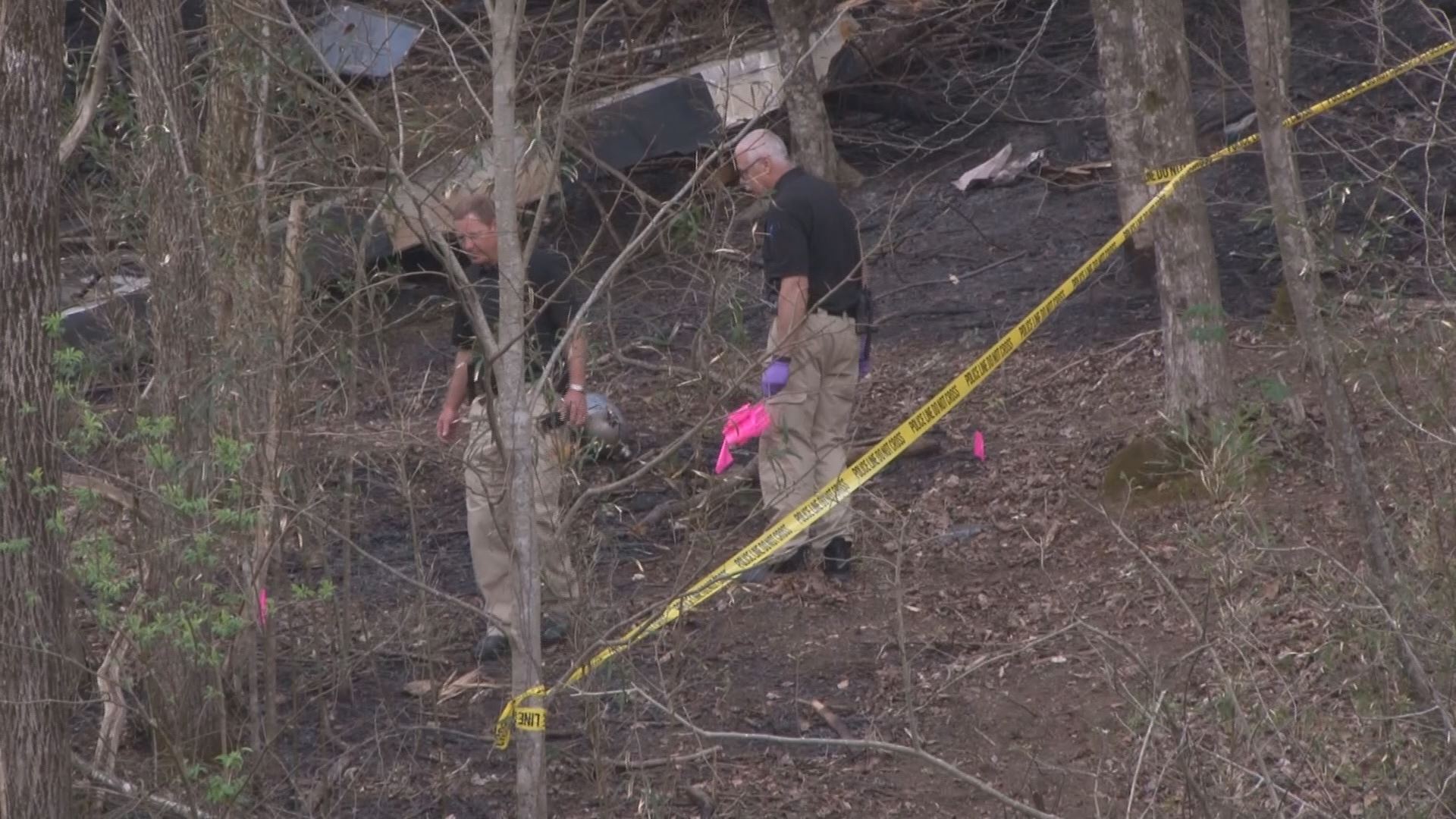
The Ripple Effect: How a Helicopter Crash Reshapes Local Communities
Okay, friends, let's dive into something that, unfortunately, happens more often than we'd like to think about: the impact of a helicopter crash on local communities. It's easy to see these events on the news and feel detached, like it's happening a world away. But the truth is, when a tragedy like this strikes, it's not just the immediate victims and their families who are affected. The entire community feels the tremors, often in ways you might not even realize. The aftermath of a helicopter crash sends emotional, economic, and even environmental ripples throughout a region.
We're not just talking about the immediate sorrow and loss, though that's obviously the starting point. Think about it: emergency responders are stretched thin, local businesses might suffer, and the sense of security in a place where people felt safe can be shattered. Imagine waking up one morning to the sound of sirens, only to find out that something terrible has happened right in your backyard. The feeling of shock, grief, and even fear can be overwhelming.
The initial news reports often focus on the number of casualties and the potential causes of the crash. But what about the long-term effects? How do small towns, already struggling with their own challenges, cope with the added burden of a major tragedy? How do families rebuild their lives after losing loved ones? And how do communities heal after witnessing such devastation?
It's easy to become desensitized to tragic news events, especially in our 24/7 news cycle. But taking a moment to consider the far-reaching impact of events like a helicopter crash reminds us of the interconnectedness of our communities and the importance of supporting one another during difficult times. It's about understanding that even though we might not be directly affected, we all play a role in helping those who are.
So, buckle up, because we're going to explore the complex web of consequences that unfold after a helicopter crash. We'll look at the emotional toll, the economic challenges, and the long road to recovery that these communities face. And maybe, just maybe, we can gain a deeper appreciation for the resilience and strength of the human spirit in the face of adversity. Ever wondered how a single event can change the landscape of an entire town forever? Let's find out.
The Immediate Aftermath: Shock and Grief
First Responders and Emergency Services
Theinitial responseto a helicopter crash is a chaotic whirlwind of activity. Firefighters, paramedics, police officers, and other emergency personnel rush to the scene, often facing dangerous and unpredictable conditions. Their job is to secure the area, rescue survivors, and provide medical assistance to the injured. This puts immense pressure on local emergency services, especially in smaller communities that may not have the resources to handle such a large-scale event.
Think about the equipment needed: specialized rescue gear, ambulances, and perhaps even air support. And the personnel? Every first responder available will be called in, leaving other areas of the community potentially vulnerable. This surge in demand can quickly overwhelm local resources, requiring support from neighboring towns or even state and federal agencies. The strain on these individuals is significant, and the emotional toll can be heavy as they witness the devastation firsthand.First responders often need counselingand support themselves after such traumatic events.
The Impact on Families and Loved Ones
Of course, the most profound impact is felt by the families and loved ones of those involved in the crash. Thesudden and unexpected lossof a family member or friend is a devastating experience, one that can leave lasting emotional scars. The grieving process is complicated and often overwhelming, and families may struggle to cope with the shock and sadness. The psychological effects can range from acute stress and anxiety to depression and post-traumatic stress disorder (PTSD).
Beyond the emotional toll, families may also face practical challenges, such as funeral arrangements, legal issues, and financial difficulties. The loss of a primary breadwinner can create significant hardship, especially if the family is already struggling financially. It'scrucial that these families receiveimmediate and long-term support, including counseling, financial assistance, and legal advice. Support groups and community organizations can play a vital role in helping families navigate the grieving process and rebuild their lives.
Community Mourning and Remembrance
Beyond the immediate families, the entire community mourns the loss of life. Thesense of collective griefcan be palpable, creating a somber atmosphere throughout the town. Memorial services and vigils provide opportunities for people to come together, share their grief, and offer support to one another. These events can be incredibly powerful, helping to foster a sense of unity and solidarity in the face of tragedy.
Local schools, churches, and community centers often become hubs for support and healing. Counselors and therapists may be brought in to provide grief counseling and emotional support to students, teachers, and other community members. Thecommunity pulls togetherto provide meals, childcare, and other forms of assistance to those who need it most. This spirit of generosity and compassion is a testament to the strength and resilience of the human spirit.
The Economic Repercussions: A Town Under Strain
Disruption of Local Businesses
A helicopter crash can have a significant impact on local businesses, particularly those located near the crash site. The area may be cordoned off for days or even weeks while investigators examine the wreckage, preventing customers from accessing businesses. This disruption can lead to lost revenue, layoffs, and even business closures. Even businessesnot directly affectedmay experience a decline in sales as people stay home out of respect or fear.
Tourism, a vital source of income for many small towns, can also suffer. Visitors may be deterred by the negative publicity surrounding the crash, leading to a decline in hotel occupancy, restaurant sales, and other tourist-related activities. This can have a cascading effect on the local economy, impacting jobs and reducing tax revenue. Thetown's economy may take years to recover.
Increased Costs for Emergency Services
Theresponse to a helicopter crashcan be incredibly expensive. Emergency services incur significant costs related to personnel, equipment, and supplies. Overtime pay for first responders can quickly add up, as can the cost of specialized rescue equipment and medical supplies. If outside agencies are called in to assist, the local government may be responsible for reimbursing their expenses.
Furthermore, thecleanup and removal of the wreckagecan be a costly undertaking. Specialized equipment and personnel may be needed to safely remove the debris, and the environmental cleanup can be even more expensive. The cost of these services can strain the budgets of local governments, forcing them to cut back on other essential services. This can create a vicious cycle, as the community struggles to recover from the economic impact of the crash.
Long-Term Economic Challenges
Even after the immediate crisis has passed, the economic impact of a helicopter crash can linger for years. Thenegative publicitysurrounding the event can damage the town's reputation, making it difficult to attract new businesses and residents. Property values may decline as people become hesitant to move to the area. This can lead to a decline in tax revenue, further straining the local government's ability to provide essential services.
Theeconomic recoveryprocess can be slow and challenging. Local leaders may need to implement strategies to attract new businesses, promote tourism, and revitalize the local economy. This requires a long-term commitment and a collaborative effort from all stakeholders in the community. Grant funding and other forms of financial assistance can play a crucial role in supporting the recovery process.
Environmental Concerns: Protecting the Land and Water
Fuel Spills and Contamination
Helicopter crashes often involve fuel spills, which can contaminate the soil and water. Aviation fuel is ahazardous substancethat can pose a significant threat to the environment. If not properly contained and cleaned up, it can seep into the ground, polluting groundwater and surface water sources. This can have devastating consequences for wildlife and human health.
Thecleanup processcan be complex and time-consuming. Environmental specialists must assess the extent of the contamination and develop a remediation plan. This may involve removing contaminated soil, treating affected water sources, and monitoring the area to ensure that the contamination does not spread. The cost of environmental cleanup can be substantial, especially in remote or sensitive areas.
Impact on Wildlife and Ecosystems
Helicopter crashes can have a direct impact on wildlife and ecosystems. Theforce of the impactcan destroy habitats, injure or kill animals, and disrupt natural processes. Fuel spills and other contaminants can further harm wildlife and vegetation, leading to long-term ecological damage. Sensitive ecosystems, such as wetlands and forests, are particularly vulnerable.
Theimpact on wildlifecan be especially severe if the crash occurs during breeding season or migration. Nesting birds, spawning fish, and other vulnerable species may be unable to recover from the disruption. The long-term consequences of a helicopter crash on local ecosystems can be significant, requiring ongoing monitoring and restoration efforts.
Long-Term Environmental Monitoring
Even after the initial cleanup is complete, long-term environmental monitoring is essential to ensure that the contamination does not pose a long-term threat. This may involve regulartesting of soil and water samplesto detect any lingering contaminants. Monitoring can also help to assess the effectiveness of remediation efforts and identify any new environmental concerns.
Thecost of long-term environmental monitoringcan be considerable, but it is a necessary investment to protect the health of the environment and the well-being of the community. Collaboration between government agencies, environmental organizations, and local residents is crucial to ensure that monitoring efforts are effective and sustainable.
The Long Road to Recovery: Healing and Resilience
Addressing Mental Health Needs
Thepsychological impactof a helicopter crash can be profound and long-lasting. Many people may experience symptoms of post-traumatic stress disorder (PTSD), anxiety, depression, and other mental health conditions. Children and adolescents are particularly vulnerable, as they may struggle to understand and process the trauma. Access to mental health services is crucial for helping people cope with the emotional aftermath of the crash.
Local hospitals, clinics, and community centers can play a vital role in providing counseling, therapy, and support groups. It'sessential that these services are accessibleand affordable for all members of the community. Education and outreach programs can also help to raise awareness about mental health issues and reduce the stigma associated with seeking help.
Rebuilding Community Trust
A helicopter crash can erode trust in institutions and authorities. People may question the safety of air travel, the adequacy of emergency response efforts, and the transparency of government investigations.Rebuilding community trustrequires open communication, accountability, and a commitment to transparency. Local leaders must be willing to address concerns, answer questions, and take steps to prevent similar tragedies from happening in the future.
Community forums, town hall meetings, and other public events can provide opportunities for people to voice their concerns and participate in the healing process.Transparency in investigationsand government processes is critical to maintaining public trust. Leaders need to be open and honest about the causes of the crash, the steps being taken to prevent future accidents, and the resources available to support the community.
Fostering a Sense of Hope and Resilience
Despite the challenges, communities can emerge from tragedy stronger and more resilient than before. Theprocess of healingrequires time, patience, and a collective commitment to supporting one another. Fostering a sense of hope and resilience can help to empower individuals and communities to overcome adversity.
Memorials, parks, and other public spaces can serve as reminders of the lives lost and the strength of the community.Community eventscan provide opportunities for people to come together, celebrate their resilience, and honor the memory of those who were affected by the crash. Sharing stories of hope and resilience can inspire others and help to create a more positive future. The impact of the helicopter crash on local communities can be long and difficult, but they can also create a bond that makes everyone stronger.
Conclusion: Moving Forward Together
We've journeyed through the multifaceted impact a helicopter crash has on local communities, exploring the initial shock and grief, the subsequent economic strain, the environmental concerns, and the long road to recovery. It's a sobering reminder of how deeply interconnected we are and how a single event can send ripples of change throughout an entire region. From the immediate response of emergency services to the lasting emotional and financial burdens, the effects are far-reaching and complex.
The core message is clear: these communities need our support. Whether it's through volunteering, donating to relief efforts, or simply offering a listening ear, every act of kindness can make a difference.Genuine compassion and empathy are vitalduring these difficult times.
Therefore, consider what you can do to contribute to the healing process. Perhaps you can research organizations providing aid to affected communities, attend local fundraisers, or spread awareness through social media. The impact of a helicopter crash on local communities is a complex, interconnected story of human resilience and shared responsibility, and it urges us to actively participate in rebuilding and supporting those who are suffering.
Finally, let’s all strive to be beacons of hope and support for those communities impacted by tragedies. What small step can you take today to make a positive difference?

Post a Comment for "The Impact of the Helicopter Crash on Local Communities"
Post a Comment