Joe Biden’s Policy Impact on the Economy
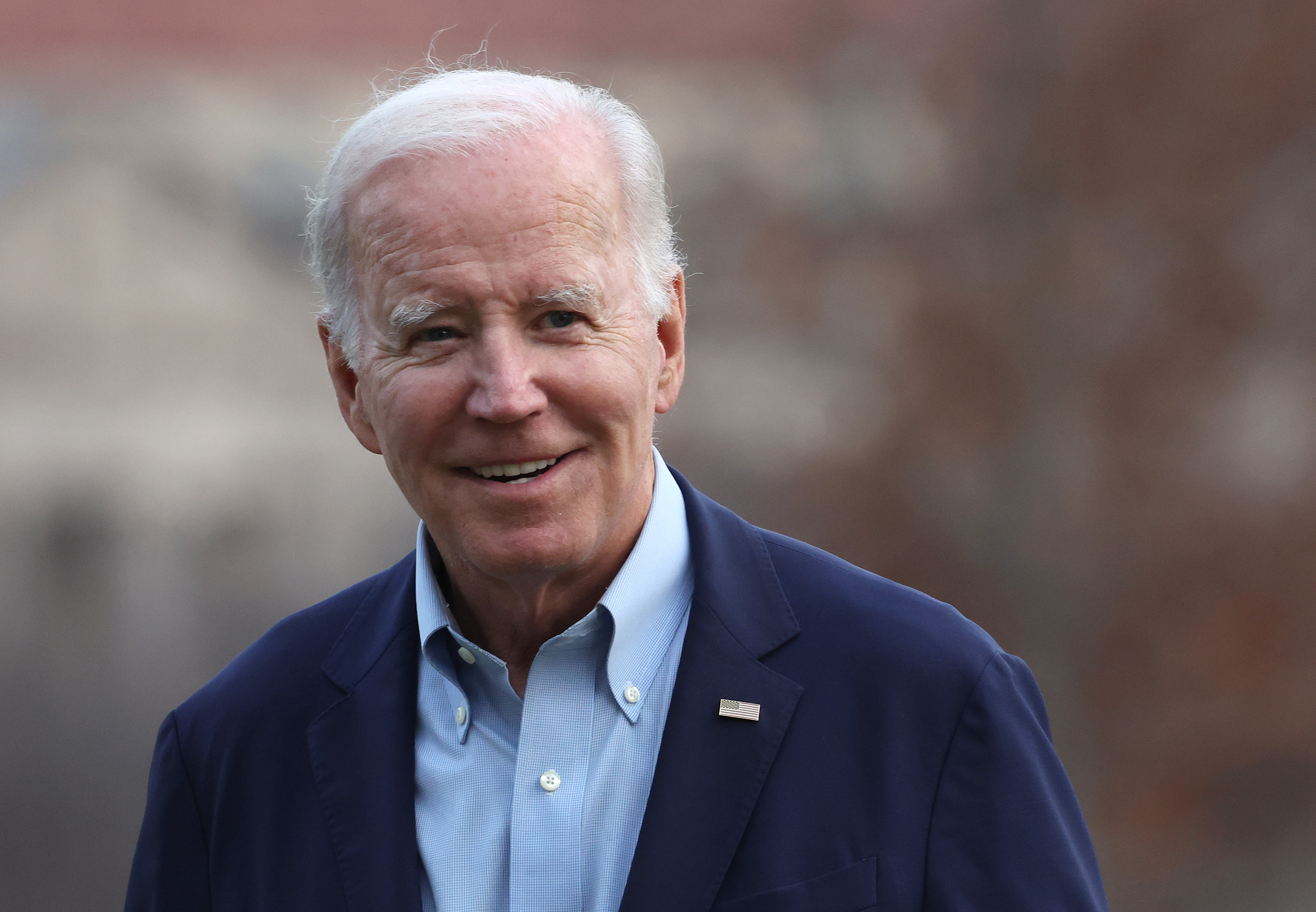
Joe Biden's Economic Legacy: Navigating the Path Forward
Hey there, friends! Ever feel like the economy is this giant, unpredictable rollercoaster? One minute you're cruising, the next you're holding on for dear life. Well, buckle up, because we're diving into the economic ride that's been happening under Joe Biden's presidency. We're talking policies, impacts, the good, the not-so-good, and what it all means for your wallet. Think of it as your friendly neighborhood guide to understanding what's been going on with the money stuff, minus the boring economics jargon. Ready to decode the economic landscape? Let's get started!
Joe Biden's Economic Policies: A Closer Look
So, what exactly has Biden been up to in the economic arena? It's been a mix of big spending, ambitious goals, and navigating some seriously choppy waters. From pandemic recovery to infrastructure upgrades, let's break down the key initiatives and how they're playing out.
The American Rescue Plan: Kicking Off the Recovery
Remember those early days of the pandemic? Businesses were shuttering, unemployment was soaring, and everyone was feeling the pinch. Enter the American Rescue Plan, a massive $1.9 trillion package aimed at jumpstarting the economy. This wasn't just pocket change; it was a full-on intervention. Think stimulus checks landing in your bank account, expanded unemployment benefits, and aid to state and local governments struggling to stay afloat.
- Direct Payments to Households:
Those stimulus checks were like a lifeline for many. They helped people cover essential expenses, from groceries to rent, and gave the economy a much-needed boost as people started spending again. It was the government saying, "Hey, we've got your back."
- Unemployment Benefits Extension:
With millions out of work, extending unemployment benefits was crucial. It provided a safety net for those who lost their jobs, helping them stay afloat while they searched for new opportunities. It's like having a friend who spots you when you're trying to lift something heavy.
- Aid to State and Local Governments:
States and cities were facing budget crises of their own. This aid helped them keep essential services running, from schools to hospitals, preventing even deeper cuts and layoffs. It was like giving them a financial oxygen mask so they could keep breathing.
The big question: did it work? Well, it's complicated. On one hand, it undeniably helped prevent a deeper economic collapse and fueled a faster-than-expected recovery. On the other hand, some economists argue that it contributed to inflation by pumping so much money into the economy. It's like trying to water your plants but accidentally flooding the garden. A delicate balance, indeed.
The Infrastructure Investment and Jobs Act: Building for the Future
Okay, so the American Rescue Plan was about immediate relief. But what about the long game? That's where the Infrastructure Investment and Jobs Act comes in. This bipartisan bill, signed into law in 2021, promises to modernize America's aging infrastructure, from roads and bridges to broadband internet and water pipes.
- Roads and Bridges:
Think fewer potholes, smoother rides, and safer infrastructure. This investment aims to repair and upgrade our transportation networks, making it easier for people and goods to move around the country. It's like finally fixing that wobbly wheel on your car – a huge relief!
- Broadband Internet:
In today's world, internet access is as essential as electricity. This bill aims to expand broadband access to underserved communities, bridging the digital divide and opening up new opportunities for education, work, and healthcare. It's like giving everyone a seat at the digital table.
- Public Transit:
Investing in public transit means more reliable and accessible transportation options for everyone. This can reduce traffic congestion, lower emissions, and create jobs. It's like creating a smoother, greener way for people to get around.
This is a long-term play, with projects unfolding over several years. The hope is that these investments will not only create jobs but also boost productivity and competitiveness in the long run. It's like planting a tree – it takes time to grow, but the benefits are lasting.
The Inflation Reduction Act: A Multifaceted Approach
Inflation has been a major headache, and the Inflation Reduction Act is Biden's attempt to tackle it head-on. This bill aims to lower healthcare costs, address climate change, and reduce the federal deficit, all while supposedly cooling down inflation.
- Lowering Healthcare Costs:
One key provision allows Medicare to negotiate prescription drug prices, potentially saving seniors money and reducing overall healthcare spending. It's like finally getting a fair price on something you've been overpaying for.
- Climate Change Investments:
The bill includes significant investments in clean energy and climate resilience, aiming to reduce greenhouse gas emissions and create green jobs. It's like investing in a healthier planet for future generations.
- Tax Provisions:
The bill includes a 15% minimum tax on corporations and aims to close tax loopholes, generating revenue to offset the bill's spending. It's like making sure everyone pays their fair share.
The debate is still raging about whether this bill will actually reduce inflation. Some argue that it will, by lowering costs and increasing productivity. Others worry that it could actually worsen inflation by increasing government spending. Only time will tell whether it lives up to its name.
The Impact on Key Economic Indicators
Okay, enough about the policies themselves. Let's talk about the numbers. How has the economy actually performed under Biden's watch? Here's a look at some key indicators.
GDP Growth: A Rollercoaster Ride
Gross Domestic Product (GDP) is the broadest measure of economic activity. Under Biden, we've seen some pretty wild swings. After a sharp contraction in 2020, the economy rebounded strongly in 2021 and 2022. But growth has slowed more recently as the initial boost from the pandemic recovery has faded. It's like a sprinter who starts strong but then starts to tire in the final stretch.
Job Creation: A Bright Spot
One undeniable success story has been job creation. The economy has added millions of jobs under Biden, bringing the unemployment rate down to historically low levels. This is good news for workers, as it gives them more bargaining power and opportunities. It's like the job market is finally throwing a party and everyone's invited.
Inflation: The Persistent Problem
Ah, inflation. The word on everyone's lips. After years of low inflation, prices started soaring in 2021 and 2022, driven by supply chain disruptions, increased demand, and government spending. This has squeezed household budgets and become a major political issue. It's like your grocery bill suddenly doubled – ouch!
The Federal Reserve has been trying to combat inflation by raising interest rates, which makes borrowing more expensive and slows down economic activity. The hope is that this will cool down demand and bring inflation back under control. It's like putting the brakes on a speeding car.
The National Debt: A Growing Concern
The national debt has continued to climb under Biden, fueled by pandemic-related spending and other government programs. While some argue that this debt is manageable, others worry that it could pose risks to the economy in the long run. It's like racking up a big credit card bill – eventually, you have to pay it off.
Expert Perspectives: What the Economists Say
So, what do the experts think about Biden's economic policies? As you might expect, there's a wide range of opinions.
- Supporters argue that Biden's policies have been essential for preventing a deeper recession and promoting a strong recovery. They point to the job creation numbers and the rebound in GDP growth as evidence of success.
- Critics argue that Biden's policies have fueled inflation and increased the national debt. They worry that the long-term consequences could be severe.
- Some economists take a more nuanced view, acknowledging both the benefits and the drawbacks of Biden's policies. They argue that it's important to consider the context of the pandemic and the unique challenges facing the economy.
The truth is, there's no easy answer. Economics is a complex field, and it's difficult to isolate the impact of any single set of policies. But it's important to listen to a variety of perspectives and weigh the evidence carefully.
Looking Ahead: Challenges and Opportunities
What does the future hold for the economy under Biden's leadership? Here are some of the key challenges and opportunities.
- Taming Inflation:
Bringing inflation back under control is the top priority. The Federal Reserve will likely continue to raise interest rates, but there's a risk that this could trigger a recession. It's a delicate balancing act.
- Managing the National Debt:
Finding ways to reduce the national debt will be crucial in the long run. This could involve spending cuts, tax increases, or a combination of both. But any changes will likely be controversial.
- Investing in the Future:
The Infrastructure Investment and Jobs Act and other initiatives offer opportunities to invest in the future, boosting productivity and competitiveness. But it's important to ensure that these investments are well-targeted and effective.
The economic outlook is uncertain. But by understanding the key policies, indicators, and challenges, we can all be better informed and prepared for what lies ahead.
Joe Biden’s Policy Impact on the Economy: FAQs
Alright, let's tackle some common questions about Joe Biden's economic policies. These are things you might be wondering about, and we'll break them down in a simple, straightforward way.
- Q: Has the economy really improved under Biden?
A: It's a mixed bag. Job creation has been strong, and the unemployment rate is low, which are definitely positive signs. However, inflation has been a major issue, and the national debt has continued to grow. So, while there have been improvements in some areas, there are also significant challenges.
- Q: Is inflation Biden's fault?
A: It's not quite that simple. Inflation is influenced by many factors, including global supply chain issues, increased demand as the economy recovered from the pandemic, and government spending. While Biden's policies may have contributed to inflation, they're not the sole cause. It's like blaming the rain on a single cloud – there's a whole weather system at play.
- Q: Will the Infrastructure Investment and Jobs Act really make a difference?
A: It has the potential to. By modernizing our infrastructure, it could create jobs, boost productivity, and improve the overall quality of life. However, the impact will depend on how effectively the money is spent and whether the projects are completed on time and within budget.
- Q: What can I do to protect myself financially in this economy?
A: Good question! Focus on managing your budget, paying down debt, and investing wisely. Consider talking to a financial advisor to get personalized advice. And stay informed about economic trends so you can make smart decisions.
In summary, Joe Biden’s economic policies have had a multifaceted impact on the economy. The American Rescue Plan provided immediate relief but may have contributed to inflation. The Infrastructure Investment and Jobs Act aims for long-term growth, while the Inflation Reduction Act seeks to tackle rising prices and invest in climate change initiatives. Key economic indicators present a mixed picture, with strong job creation offset by persistent inflation and a growing national debt.
So, friends, we've journeyed through the economic landscape under Joe Biden's presidency, examining the policies, the numbers, and the challenges. Now, it's time to take what you've learned and apply it to your own life. Stay informed, make smart financial decisions, and engage in the conversation about the future of our economy.
The economy is constantly evolving, and your understanding of it should too. Keep learning, stay curious, and never stop asking questions. Who knows, maybe you'll be the one shaping the economic future! And what are your thoughts on the current economic climate?

Post a Comment for "Joe Biden’s Policy Impact on the Economy"
Post a Comment