Joe Biden's Latest Policy Decisions and Their Impact on the US Economy
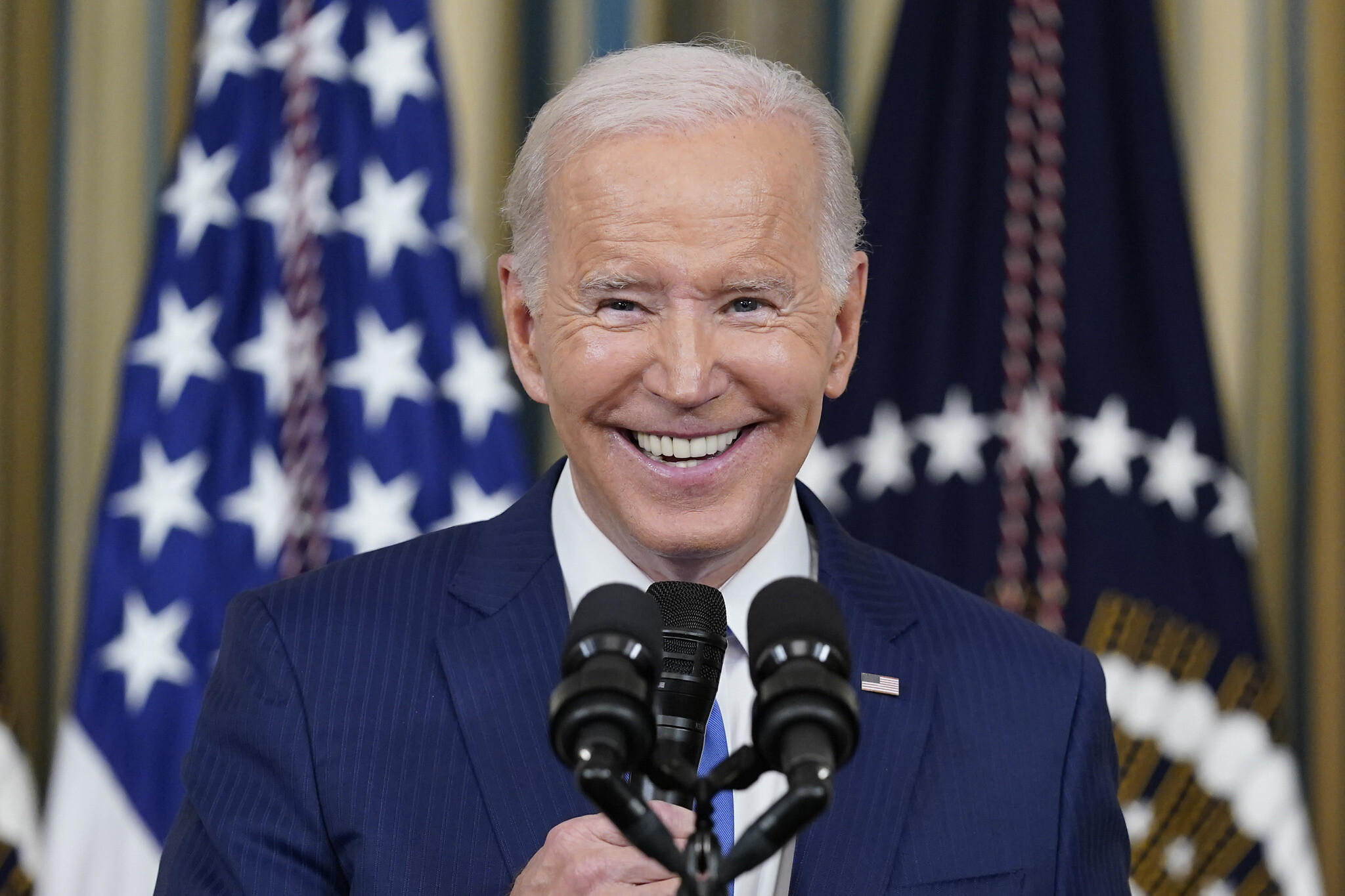
Joe Biden's Economic Blueprint: Navigating the Shifting Sands of the US Economy.
Hey there, friends! Ever feel like keeping up with the economy is like trying to catch a greased pig at a county fair? One minute you think you’ve got a handle on things, the next minute… BAM! Something new throws everything for a loop. And let's be honest, understanding the intricate dance between policy decisions and their impact on our wallets can feel like deciphering ancient hieroglyphics.
We’re constantly bombarded with headlines: inflation this, interest rates that, job growth here, recession fears there. It’s enough to make your head spin! But beneath all the jargon and economic mumbo-jumbo, there are real decisions being made that directly affect our lives – from the price of gas at the pump to the availability of jobs in our communities. And a big player in all of this is the President of the United States.
Think of it this way: the US economy is a massive ship, and the President is at the helm. They can steer the ship by enacting policies – laws, regulations, and executive orders – that are designed to influence everything from consumer spending to business investment. Some of these policies are like subtle course corrections, while others are like slamming the rudder hard to port or starboard.
Now, President Biden has certainly been busy since taking office, implementing a range of policies aimed at tackling some of the biggest economic challenges facing the nation. From infrastructure spending to student loan forgiveness, his administration has made some bold moves that have sparked both praise and controversy. But what are these policies exactly, and more importantly, how are they impacting the US economy?
Maybe you're wondering if that new infrastructure bill will actually fix those pesky potholes on your street, or if student loan forgiveness will really help you get out from under that mountain of debt. Perhaps you're curious about how these policies might affect your job security or your investment portfolio.
Well, grab a cup of coffee, settle in, and let’s dive into the fascinating world of Joe Biden’s latest economic policies. We'll break down the key initiatives, analyze their potential impacts, and explore what it all means for you and your financial future. Are these policies a stroke of genius, setting the stage for a new era of prosperity? Or are they a risky gamble that could lead us down a path of economic turmoil? Let's find out!
Joe Biden's Economic Policies: A Deep Dive
Alright, friends, let's get down to brass tacks. We're going to explore some of the key policy decisions that the Biden administration has put in place and examine how they're playing out in the real world. We'll look at the intended goals, the potential benefits, and the potential drawbacks – because let's face it, every economic policy is a double-edged sword.
Infrastructure Investment and Jobs Act: Building a Better America (or at least trying to!)
• The Big Picture: Remember when President Biden signed the Infrastructure Investment and Jobs Act? It was a big deal – a bipartisan effort that promised to pour billions of dollars into upgrading America's crumbling infrastructure. We're talking roads, bridges, airports, public transit, broadband internet… the whole shebang!
• The Goal: The idea is pretty straightforward: fix what's broken, modernize what's outdated, and create a more efficient and competitive economy. Think smoother commutes, faster internet speeds, and a more reliable supply chain. Plus, the act aims to create a whole bunch of new jobs in the process – construction workers, engineers, technicians, and more.
• The Impact: So far, we're seeing projects starting to break ground across the country. Bridges are being repaired, roads are being repaved, and broadband networks are being expanded. The impact on the economy is multifaceted. On the one hand, it's injecting a huge amount of money into the economy, stimulating demand and creating jobs. On the other hand, it could potentially contribute to inflation if demand outstrips supply. It’s a delicate balancing act.
• Real-World Example: Imagine a small town where the only bridge connecting it to the rest of the county is falling apart. The Infrastructure Act provides funding to rebuild the bridge, making it safer and more reliable. This not only improves the lives of the residents but also makes it easier for businesses to transport goods and services, boosting the local economy.
The Inflation Reduction Act: Taming the Beast (or at least trying to put it on a diet!)
• The Big Picture: Inflation has been a major headache for the US economy, and the Inflation Reduction Act is the Biden administration's attempt to tackle it head-on. This act aims to lower healthcare costs, promote clean energy, and reduce the federal deficit – all while supposedly cooling down inflation.
• The Goal: The act includes provisions to lower prescription drug prices for seniors, expand access to affordable healthcare, and invest in clean energy technologies. It also includes tax increases on large corporations to help pay for these initiatives and reduce the national debt.
• The Impact: The actual impact on inflation is still a subject of debate among economists. Some argue that the act will help to curb inflation by reducing demand and increasing supply in key sectors. Others argue that the impact will be minimal, and that other factors, such as global supply chain disruptions and rising energy prices, will continue to drive inflation.
• Real-World Example: Let’s say you're a senior citizen struggling to afford your prescription medications. The Inflation Reduction Act includes provisions that allow Medicare to negotiate drug prices, potentially saving you hundreds or even thousands of dollars per year. This not only improves your financial well-being but also frees up money for other essential expenses.
Student Loan Forgiveness: A Fresh Start or a Moral Hazard?
• The Big Picture: President Biden's plan to forgive a portion of student loan debt has been one of the most controversial and widely discussed policies of his presidency. The plan aims to provide relief to millions of borrowers who are struggling to repay their student loans.
• The Goal: The goal is to ease the financial burden on borrowers, stimulate the economy by freeing up disposable income, and address the issue of rising student loan debt. The plan would forgive a certain amount of debt for borrowers who meet specific income requirements.
• The Impact: The impact of student loan forgiveness is complex and multifaceted. On the one hand, it could provide a much-needed financial lifeline to borrowers who are struggling to make ends meet. On the other hand, it could be seen as unfair to those who have already paid off their loans or who never took out loans in the first place. It also raises questions about the long-term sustainability of the student loan system.
• Real-World Example: Imagine you're a recent college graduate with a mountain of student loan debt. The student loan forgiveness plan could wipe out a significant portion of your debt, freeing up hundreds of dollars per month that you can use to pay for rent, groceries, or other essential expenses. This could help you get on your feet financially and start building a more secure future.
Other Key Policies: A Quick Rundown
Beyond these major initiatives, the Biden administration has also implemented a number of other policies that are worth noting:
• Executive Orders on Climate Change: These orders aim to reduce greenhouse gas emissions, promote renewable energy, and address the impacts of climate change. The potential impact on the economy is significant, as it could lead to new jobs in the clean energy sector and reduce our reliance on fossil fuels. However, it could also lead to higher energy prices and disruptions in certain industries.
• Increased Regulations on Big Business: The Biden administration has signaled a willingness to increase regulations on large corporations, particularly in areas such as antitrust enforcement and consumer protection. The goal is to promote competition, protect consumers, and prevent corporate abuse. The potential impact on the economy is debated, with some arguing that it will level the playing field for small businesses and others arguing that it will stifle innovation and investment.
• Support for Labor Unions: The Biden administration has been a strong supporter of labor unions, advocating for policies that would make it easier for workers to organize and bargain collectively. The goal is to increase wages and benefits for workers and improve working conditions. The potential impact on the economy is debated, with some arguing that it will boost the middle class and others arguing that it will lead to higher labor costs and reduced competitiveness.
Alright, friends, we've covered a lot of ground! We've looked at some of the key policy decisions that the Biden administration has made and examined their potential impacts on the US economy. Now, let's tackle some common questions that people have about these policies.
Frequently Asked Questions
• Will the Infrastructure Investment and Jobs Act really fix America's infrastructure?
That’s the million-dollar question, isn’t it? Or rather, the trillion-dollar question! The act is a significant investment, but it will take time to see the full impact. While it addresses many pressing needs, the sheer scale of the problem means that it won't fix everything overnight. Expect improvements, but also expect ongoing challenges.
• Is the Inflation Reduction Act actually reducing inflation?
The jury is still out on this one. Some experts believe it will have a positive impact, while others are more skeptical. The act's provisions on healthcare and clean energy could help lower costs in the long run, but the immediate impact on inflation may be limited. We'll need to wait and see how it plays out over time.
• Is student loan forgiveness fair to everyone?
This is a very divisive issue. Some argue that it's a necessary step to provide relief to struggling borrowers and stimulate the economy. Others argue that it's unfair to those who have already paid off their loans or who never took out loans in the first place. There are valid arguments on both sides of the issue, and there's no easy answer.
• What are the biggest risks associated with Biden's economic policies?
One of the biggest risks is that these policies could contribute to inflation. Increased government spending and regulations could lead to higher prices and reduced economic growth. Another risk is that some of these policies could be challenged in court, leading to uncertainty and delays. It's important to monitor these risks and adjust policies as needed to ensure that they are achieving their intended goals.
The Road Ahead: Navigating the Economic Landscape
Well, friends, we've reached the end of our journey through the fascinating and sometimes perplexing world of Joe Biden's economic policies. We've explored the key initiatives, analyzed their potential impacts, and tackled some of the tough questions that people are asking. So, what's the bottom line?
The truth is, there are no easy answers when it comes to economic policy. Every decision has winners and losers, and every policy has unintended consequences. The Biden administration is trying to address some of the biggest economic challenges facing the nation, but the success of these policies will depend on a variety of factors, including global economic conditions, political dynamics, and the ability of the government to effectively implement these initiatives.
Now, here's where you come in. Stay informed. Engage in the conversation. Let your voice be heard. After all, these policies are impacting your life, your family, and your community. Don't be afraid to ask questions, challenge assumptions, and demand accountability from our elected officials.
And speaking of staying informed, why not share this article with your friends and family? Help them understand the complex world of economic policy and empower them to make informed decisions about their own financial futures. Knowledge is power, and together, we can navigate the shifting sands of the US economy and build a brighter future for ourselves and for generations to come.
So, what are your thoughts on Biden's economic policies? Do you think they're on the right track? Let us know in the comments below! And remember, even though the economy can be a wild ride, we're all in this together. Let's keep the conversation going and work towards a more prosperous and equitable future for all.

Post a Comment for "Joe Biden's Latest Policy Decisions and Their Impact on the US Economy"
Post a Comment