Romanian Presidential Elections: Analysis of Political Trends
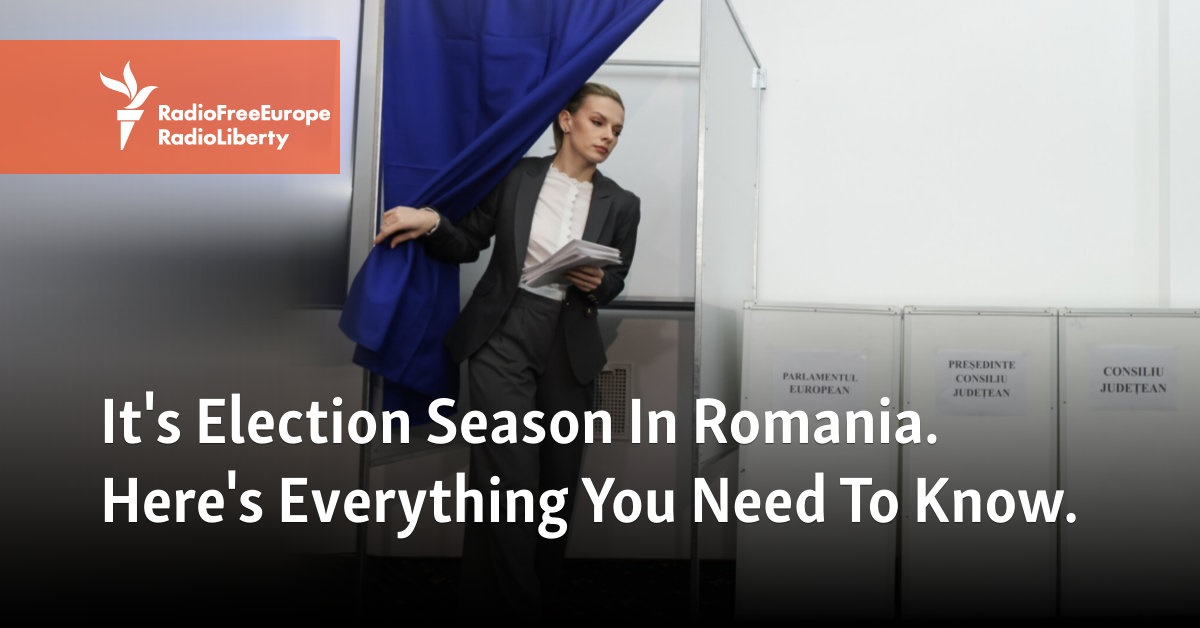
Decoding Democracy: An Analysis of Political Trends in Romanian Presidential Elections
Navigating the labyrinth of Romanian politics can feel like trying to assemble IKEA furniture without the instructions – frustrating and, let's face it, a little comical. Romanian Presidential Elections: Analysis of Political Trends reveals not only the winners and losers, but also uncovers the deep-seated trends shaping the nation's political landscape. But fear not, fellow citizens, because we're here to untangle the threads and make sense of it all. From unexpected upsets to the rise of new political stars, we'll explore the key moments and factors that have shaped these pivotal elections. So, buckle up and prepare to dive deep into the world of Romanian presidential politics – you might just find it's more interesting (and less infuriating) than you thought! Ready to unravel the mysteries behind Romania's presidential elections? Let's get started!
Understanding the Evolving Landscape of Romanian Presidential Elections: Analysis of Political Trends
Romanian presidential elections are more than just choosing a leader; they're a barometer of the nation's soul. They reflect hopes, fears, and the ever-shifting sands of public opinion. To truly understand these elections, we need to delve into the historical context and the socio-political forces at play. Think of it like understanding why your grandma always makessarmalefor Christmas – there's a rich history and tradition behind it! We're not just talking about the candidates and their promises; we're talking about the underlying currents that shape the entire process.
Historical Con A Journey Through Time
Romania's journey to a democratic presidential system wasn't exactly a smooth ride. It involved overcoming decades of communist rule, navigating economic transitions, and establishing strong democratic institutions. Understanding this historical baggage is crucial to grasping the present political dynamics. For example, the legacy of communism still influences political discourse and voter preferences, with some longing for the perceived stability of the past while others champion a future firmly rooted in Western values. The early presidential elections were often characterized by a stark divide between these ideologies, and this division continues to resonate, albeit in a more nuanced form. The transition to a market economy also created winners and losers, further shaping political allegiances.
Socio-Political Influences: The Puppeteers Behind the Stage
Beyond history, various socio-political factors play a significant role in shaping the outcome of Romanian presidential elections. These include: Economic Conditions: When the economy is booming, people tend to be more forgiving of the ruling party. When times are tough, voters are more likely to seek change. Think of it like this: when you've got money in your pocket, you're less likely to complain about the potholes in the road. Social Issues: Issues like healthcare, education, and corruption can sway voters one way or another. These are the hot-button topics that get people fired up and ready to head to the polls. Media Influence: The media plays a powerful role in shaping public opinion, for better or for worse. From newspapers to television to social media, the way candidates and issues are portrayed can have a huge impact on the election results. Geopolitical Con Romania's position in the world, its relationships with neighboring countries, and its role in international organizations like the European Union all influence the political climate. For instance, anxieties about regional security can lead voters to favor candidates who project strength and stability.
Voter Demographics: Who's Calling the Shots?
Understanding the demographics of the Romanian electorate is essential for analyzing political trends. Different age groups, social classes, and regions have distinct priorities and political leanings. For instance, older voters may be more concerned with pension security, while younger voters may prioritize environmental issues and job opportunities. Similarly, rural populations may have different concerns than urban dwellers. Analyzing these demographic trends can provide valuable insights into which candidates are likely to resonate with different segments of the population. The rise of social media has also given new voice to younger voters, who are increasingly engaged in political discussions online.
Key Political Parties and Their Platforms in Romanian Presidential Elections: Analysis of Political Trends
Romania's political landscape is a vibrant tapestry woven with various parties, each vying for power and influence. Understanding their ideologies and core platforms is crucial for predicting election outcomes. It's like knowing the different ingredients inmămăligă– each contributes to the overall flavor.
Major Political Actors: A Who's Who of Romanian Politics
Let's take a look at some of the major players: The Social Democratic Party (PSD): Traditionally associated with social democracy and advocating for social welfare programs, the PSD has historically enjoyed strong support among older voters and those in rural areas. Their platform often emphasizes economic equality and protecting the rights of workers. The National Liberal Party (PNL): Generally aligned with center-right politics, the PNL promotes free market principles, fiscal responsibility, and closer ties with the European Union. They tend to attract support from business owners, professionals, and urban voters. The Save Romania Union (USR): A relatively newer party, the USR has gained popularity among younger voters and those disillusioned with traditional politics. They advocate for anti-corruption measures, transparency in government, and modernizing the Romanian economy. The Democratic Alliance of Hungarians in Romania (UDMR): Representing the interests of the Hungarian minority in Romania, the UDMR plays a significant role in coalition politics. Their platform focuses on protecting the rights and cultural identity of the Hungarian community.
Platform Analysis: Decoding the Promises
Each party presents a unique platform during presidential elections, promising solutions to the nation's challenges. Here's a glimpse of what they typically offer: Economic Policies: From tax reforms to job creation initiatives, each party has a distinct vision for the Romanian economy. Some favor government intervention, while others champion deregulation and privatization. Social Policies: Debates over healthcare, education, and social security often dominate the campaign trail. Parties may propose different approaches to funding these programs, expanding access to services, or addressing social inequalities. Foreign Policy: Romania's relationship with the European Union, NATO, and other international organizations is a key aspect of foreign policy. Parties may differ on the level of engagement with these organizations and their priorities in international affairs. Anti-Corruption Measures: Tackling corruption is a recurring theme in Romanian politics. Parties often pledge to strengthen anti-corruption agencies, reform the judiciary, and promote transparency in government.
Coalition Dynamics: The Art of the Deal
In Romanian politics, coalition building is an art form. No single party often holds a majority, so forming alliances is crucial for governing effectively. These coalitions can be fragile and unpredictable, leading to political instability and frequent changes in government. Understanding the potential for coalition formation is essential for anticipating the outcome of presidential elections. For example, a center-right candidate may need to secure the support of smaller parties to defeat a strong social democratic challenger.
Analyzing Voter Behavior and Turnout in Romanian Presidential Elections: Analysis of Political Trends
Voter behavior and turnout are crucial indicators of the health of a democracy. Understandingwhypeople vote (or don't vote) is key to unlocking the secrets of Romanian presidential elections. Think of it as trying to figure out why your neighbor always paints his house bright pink – there's a reason, even if it's not immediately obvious!
Factors Influencing Voter Choice: What Makes People Tick?
Several factors influence how Romanians cast their ballots: Party Identification: Some voters are loyal to a particular party, regardless of the candidate. This is often based on family tradition, personal values, or past experiences. Candidate Appeal: A candidate's personality, charisma, and communication skills can sway voters, especially those who are undecided. A strong, articulate candidate can inspire confidence and rally support. Issue Salience: Voters may prioritize certain issues, such as healthcare, education, or the economy, and vote for the candidate who they believe will best address those concerns. Campaign Messaging: The effectiveness of a candidate's campaign messaging can significantly impact voter behavior. A well-crafted message that resonates with voters can be a powerful tool. Emotional Appeals:Politics often taps into emotions like fear, hope, and anger. Candidates may use emotional appeals to mobilize voters and sway public opinion.
Turnout Trends: Who Shows Up and Why?
Voter turnout in Romanian presidential elections has varied over the years. Understanding these trends is crucial for analyzing election outcomes.
Age: Younger voters often have lower turnout rates than older voters. This may be due to apathy, lack of engagement with traditional politics, or practical barriers to voting. Education: Higher levels of education are generally associated with higher turnout rates. This may be because more educated individuals are more likely to be informed about political issues and believe that their vote matters. Social Class: Turnout rates can also vary by social class. Middle-class and upper-class voters may be more likely to vote than working-class voters, who may face economic or social barriers to participation. Region: Turnout rates can differ significantly across different regions of Romania. This may be due to regional political cultures, levels of economic development, or the presence of strong local parties. Campaign Mobilization:Effective campaign mobilization efforts can significantly increase turnout rates. Candidates and parties often use various tactics, such as phone banking, door-to-door canvassing, and social media campaigns, to encourage people to vote.
Analyzing Election Results: Decoding the Numbers
Analyzing election results involves more than just looking at the final vote counts. It requires understanding the demographic breakdown of the vote, the regional variations in support for different candidates, and the impact of campaign spending and media coverage. By carefully analyzing these factors, it's possible to gain valuable insights into the dynamics of Romanian presidential elections. For example, identifying which demographic groups supported a particular candidate can help parties tailor their messaging and outreach efforts in future elections.
The Role of Media and Public Discourse in Shaping Romanian Presidential Elections: Analysis of Political Trends
The media landscape and public discourse are powerful forces that shape the narrative around Romanian presidential elections. They influence public opinion, inform voters, and hold candidates accountable. Think of it as the gossip mill in your neighborhood – it may not always be accurate, but it definitely shapes perceptions!
Media Influence: The Good, the Bad, and the Ugly
The media can play a crucial role in a democracy by: Informing Voters: Providing accurate and unbiased information about candidates and their platforms. Holding Candidates Accountable: Scrutinizing their records and challenging their claims. Facilitating Public Debate: Providing a platform for different viewpoints to be aired and discussed. Encouraging Voter Participation: Motivating people to register and vote.
However, the media can also be used for negative purposes, such as: Spreading Misinformation: Disseminating false or misleading information to damage a candidate's reputation. Promoting Propaganda: Using biased or manipulative content to influence public opinion. Suppressing Dissent: Silencing critical voices and limiting the range of perspectives presented. Sensationalizing News: Focusing on sensational or controversial stories to attract viewers or readers.
Public Discourse: The Battle of Ideas
Public discourse, both online and offline, plays a crucial role in shaping the political climate during presidential elections. This includes: Political Debates: Providing a platform for candidates to articulate their positions and engage with their opponents. Social Media Discussions: Allowing citizens to share their views, debate political issues, and organize political action. Public Opinion Polls: Gauging public sentiment and providing insights into voter preferences. Protests and Rallies: Allowing citizens to express their opinions and demonstrate their support for particular candidates or causes.
The Impact of Social Media: A Game Changer?
Social media has become an increasingly important tool for political communication in Romania. Candidates and parties use social media to reach voters, mobilize supporters, and spread their message. Social media can also be used to: Organize Grassroots Movements: Mobilizing citizens to participate in political campaigns and advocate for specific issues. Challenge Traditional Media: Providing alternative sources of information and analysis. Amplify Marginalized Voices:Giving voice to those who are often excluded from mainstream media.
However, social media also presents challenges, such as: The Spread of Fake News: Disseminating false or misleading information. Echo Chambers: Creating online communities where people are only exposed to information that confirms their existing beliefs. Cyberbullying and Harassment:Targeting individuals with online abuse and intimidation.
Emerging Trends and Future Prospects in Romanian Presidential Elections: Analysis of Political Trends
Looking ahead, several emerging trends are likely to shape the future of Romanian presidential elections. Understanding these trends is crucial for anticipating the political landscape and preparing for the challenges ahead. It's like trying to predict the weather – you can't be certain, but you can make an educated guess based on the current conditions!
The Rise of Populism and Nationalism: A Global Phenomenon
Like many other countries around the world, Romania has experienced a rise in populism and nationalism in recent years. This trend is driven by various factors, including: Economic Inequality: Growing disparities in wealth and income. Immigration Concerns: Anxieties about the impact of immigration on national identity and culture. Erosion of Trust in Institutions: Declining confidence in traditional political parties and institutions. Globalization Backlash: Resistance to the perceived negative effects of globalization.
Generational Shifts: The Millennial and Gen Z Effect
The Millennial and Gen Z generations are becoming increasingly influential in Romanian politics. These generations have different values, priorities, and ways of engaging with the political process than older generations. They are more likely to: Prioritize Environmental Issues: Concerned about climate change and environmental degradation. Support Social Justice Causes: Advocate for equality and human rights. Engage with Politics Online: Use social media to share their views and organize political action. Be Disillusioned with Traditional Politics: Seek alternatives to established political parties.
The Digitalization of Politics: A New Era
The digitalization of politics is transforming the way that campaigns are conducted, voters are informed, and political discourse takes place. This includes: Online Campaigning: Using social media, email, and other digital tools to reach voters. Data Analytics: Using data to target voters with personalized messages. Online Voting: Exploring the possibility of allowing voters to cast their ballots online. Cybersecurity Threats: Protecting elections from cyberattacks and foreign interference.
The Future of Romanian Presidential Elections: A Crystal Ball?
Predicting the future is always a risky business, but based on current trends, it's likely that Romanian presidential elections will be characterized by: Increased Polarization: A growing divide between different political ideologies and social groups. Greater Volatility: More unpredictable election outcomes. More Emphasis on Social Media: Social media will play an even more important role in shaping public opinion and mobilizing voters. Continued Challenges to Democratic Institutions: Efforts to undermine democratic norms and institutions will continue to be a concern.
In conclusion, understanding the political trends shaping Romanian presidential elections is crucial for anyone interested in the country's future. By analyzing the historical context, socio-political influences, key political parties, voter behavior, media influence, and emerging trends, it is possible to gain valuable insights into the dynamics of Romanian politics and prepare for the challenges ahead.
Romanian Presidential Elections: Analysis of Political Trends, the goal is to decode democracy in the region. From the historical journey to the current key players, the media’s influences, and voter behavior, each factor shapes the outcome. Emerging trends like populism and digitalization will continue to influence the election landscape. Ultimately, understanding these elements is essential for any reader interested in Romanian politics.
Now that we've journeyed through the intricate world of Romanian presidential elections, you should feel more equipped to understand the nation's political trends. This knowledge empowers you to be a more informed and engaged citizen.
Your Call to Action: Share this article with your friends and family to help them better understand the dynamics of Romanian presidential elections. Knowledge is power, and by spreading awareness, we can contribute to a more informed and engaged electorate.
Remember, every voice matters, and your understanding of the political landscape can help shape a better future for Romania. Stay informed, stay engaged, and let your voice be heard! What are your thoughts on the future of Romanian presidential elections?

Post a Comment for "Romanian Presidential Elections: Analysis of Political Trends"
Post a Comment