Nihilistic Views in Contemporary Culture
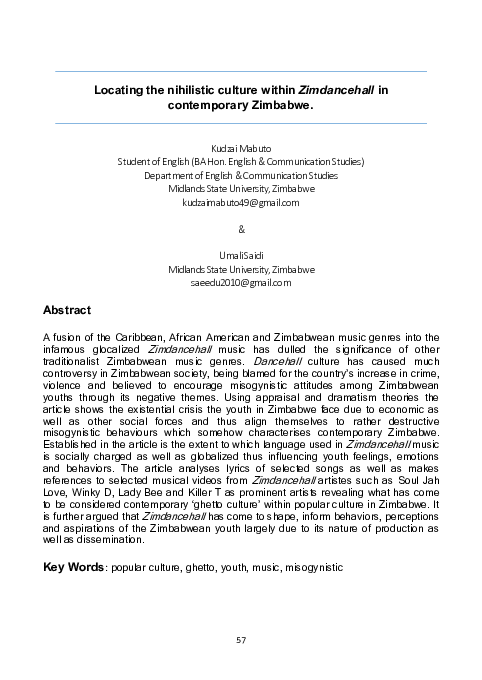
Navigating the Void: How Nihilism Colors Our Modern World.
Hey there, friends! Ever feel like you're scrolling endlessly through social media, seeing a constant stream of perfectly curated lives, and thinking, "What's thepointof any of this?" Or maybe you're knee-deep in student loan debt, working a job that feels utterly meaningless, and the phrase "the American Dream" just sounds like a bad joke. If so, you might be brushing up against something called nihilism. Now, before you picture some brooding philosopher in a dark room, let's be clear: nihilism isn't just some abstract concept for intellectuals. It's a very real lens through which many of us are experiencing the world today, shaping our attitudes towards everything from politics and relationships to work and even the environment.
Think about it: we're bombarded with news about climate change, political corruption, and social injustice. It's enough to make anyone question whether there's any inherent meaning or value to, well,anything. And when traditional sources of meaning – like religion, community, and national identity – seem to be crumbling around us, it's easy to fall into a state of disillusionment. Maybe you've even found yourself thinking, "Nothing really matters, so why even bother?" That, my friends, is the siren song of nihilism. But here's the thing: understanding nihilism isn't about succumbing to despair. It's about recognizing its influence, grappling with its challenges, and ultimately finding ways to create meaning in a world that often feels devoid of it. We're going to dive deep into how nihilistic views are playing out in contemporary culture, explore the different flavors of nihilism, and, most importantly, talk about how to navigate this potentially tricky terrain. So, stick around – you might just find that facing the void can be surprisingly empowering. Ready to see how this philosophical concept is shaping the world around us, and even your own life? Let's get started!
Understanding Nihilism: More Than Just Doom and Gloom
Okay, let's start with the basics. Whatisnihilism, anyway? At its core, nihilism is the belief that life is without objective meaning, purpose, or intrinsic value. It rejects the notion of inherent moral principles, universal truths, and ultimate significance. Sounds a bit depressing, right? And sometimes, itcanbe. But it's not always about wallowing in despair. In fact, understanding nihilism can be a powerful tool for self-discovery and personal growth.
Think of it this way: if you believe that life has a pre-ordained purpose, you might spend your whole life trying to figure out what that purposeis. You might feel immense pressure to live up to certain expectations or conform to societal norms. But if you embrace the idea that there's no inherent purpose, you're suddenly free to create your own. You get to define what matters toyou, without being bound by external constraints.
Of course, this freedom can be a double-edged sword. On the one hand, it's incredibly liberating. On the other hand, it can be overwhelming. Without a guiding star, it's easy to feel lost and adrift. That's why it's so important to understand the different types of nihilism and how they manifest in our lives. We will touch on that soon.
The Many Faces of Nihilism: A Quick Guide
Nihilism isn't a monolithic concept. It comes in different flavors, each with its own nuances and implications. Here are a few of the most common types:
Moral Nihilism
This is the belief that there are no objective moral values. In other words, there's no such thing as inherently right or wrong. What we consider "good" or "bad" is simply a matter of opinion or cultural convention. Moral nihilism can lead to ethical relativism, where morality is seen as subjective and dependent on individual or cultural perspectives. This doesn't necessarily mean that moral nihilists are inherently immoral or unethical. They might still adhere to certain moral principles, but they do so out of personal conviction rather than a belief in objective truth.
Existential Nihilism
This is perhaps the most well-known type of nihilism. It's the belief that life is ultimately meaningless and without purpose. From an existential nihilist perspective, we are born into a world without inherent meaning, and we are free to create our own meaning. However, this freedom can be overwhelming, and many existential nihilists struggle with feelings of alienation, absurdity, and despair.
Epistemological Nihilism
This is the belief that knowledge is impossible. Epistemological nihilists argue that we can never truly know anything for certain, and that all of our beliefs are ultimately based on subjective interpretations and biases. This can lead to skepticism and a rejection of traditional sources of authority and expertise.
Political Nihilism
This is the belief that existing political and social structures are inherently corrupt and meaningless. Political nihilists often advocate for radical change or even the complete overthrow of the existing order. They may be motivated by a desire for justice and equality, but they often lack a clear vision for what should replace the current system.
Understanding these different types of nihilism can help us to better understand its impact on contemporary culture.
Nihilism in Pop Culture: From Rick and Morty to Existential Memes
Nihilistic themes are surprisingly prevalent in pop culture. Think about shows like Rick and Morty, which often explores the vastness and indifference of the universe, juxtaposed with the mundane realities of everyday life. Rick Sanchez, the show's cynical and brilliant protagonist, is practically a walking embodiment of existential nihilism. He's seen it all, done it all, and come to the conclusion that nothing really matters. Yet, despite his nihilistic outlook, he still cares about his family (in his own twisted way), suggesting that even in the face of meaninglessness, there's still room for connection and love.
Then there are the countless existential memes that flood our social media feeds. These memes often use humor and irony to grapple with the absurdity of existence, offering a lighthearted way to confront uncomfortable truths. They might poke fun at the futility of our daily routines, the meaninglessness of work, or the inevitability of death. While some might dismiss these memes as trivial or cynical, they actually serve as a form of collective catharsis, allowing us to share our anxieties and find solace in shared experiences of meaninglessness.
Even in music, we see echoes of nihilism. Artists like Radiohead and Nine Inch Nails have explored themes of alienation, disillusionment, and the search for meaning in a meaningless world. Their music often resonates with listeners who feel a sense of disconnect from mainstream society and a questioning of traditional values.
The prevalence of nihilistic themes in pop culture suggests that these ideas are resonating with a large segment of the population. It's a reflection of our collective anxieties and uncertainties in a rapidly changing world.
The Impact of Social Media: A Nihilism Incubator?
Social media has undoubtedly amplified the spread of nihilistic views. The constant barrage of information, the curated perfection of online profiles, and the superficiality of many online interactions can all contribute to a sense of meaninglessness and disillusionment.
Think about it: we're constantly bombarded with images of people living seemingly perfect lives, traveling to exotic locations, and achieving incredible success. This can create a sense of inadequacy and the feeling that our own lives are somehow lacking. The pressure to constantly present a flawless version of ourselves online can also lead to feelings of alienation and disconnect.
Moreover, the echo chamber effect of social media can reinforce nihilistic beliefs. When we're only exposed to information that confirms our existing views, it can strengthen our sense of cynicism and despair. It's easy to fall into a cycle of negativity and feel like the world is hopeless.
However, social media can also be a tool for connection and community. It can allow us to find like-minded individuals, share our experiences, and build support networks. It's important to be mindful of how we're using social media and to cultivate a healthy balance between online and offline interactions.
Finding Meaning in a Meaningless World: Practical Strategies
So, how do we navigate the challenges of nihilism and find meaning in a world that often feels devoid of it? Here are a few practical strategies: Embrace the Freedom of Choice: If life has no inherent meaning, that means you're free to create your own. Think about what truly matters to you – your values, your passions, your relationships – and make choices that align with those things. Focus on the Present Moment: Instead of getting caught up in anxieties about the future or regrets about the past, try to focus on the present moment. Practice mindfulness and appreciate the simple joys of life. Cultivate Meaningful Relationships: Human connection is a powerful antidote to nihilism. Nurture your relationships with friends, family, and loved ones. Surround yourself with people who support you, challenge you, and make you feel valued. Engage in Creative Pursuits: Expressing yourself through art, music, writing, or any other creative outlet can be a deeply fulfilling way to find meaning and purpose. Contribute to Something Larger Than Yourself: Volunteering, activism, or simply helping others can give you a sense of purpose and connection to the world. Embrace the Absurdity: Sometimes, the best way to deal with the absurdity of life is to laugh at it. Don't take yourself too seriously and find humor in the everyday. Seek Professional Help:If you're struggling with feelings of despair or meaninglessness, don't hesitate to reach out to a therapist or counselor. They can provide support and guidance as you navigate these challenges.
Remember, finding meaning is a journey, not a destination. It's about exploring, experimenting, and discovering what truly resonates with you.
Nihilism and the Future: A Call to Action
Nihilistic views are likely to persist and even intensify in the years to come. As technology continues to advance, social structures continue to evolve, and global challenges continue to mount, the sense of uncertainty and disillusionment is likely to grow.
However, this doesn't have to be a bad thing. By understanding the roots of nihilism, grappling with its challenges, and actively creating our own meaning, we can navigate this potentially tricky terrain and build a more meaningful and fulfilling future.
The key is to embrace the freedom of choice, cultivate meaningful relationships, and contribute to something larger than ourselves. We have the power to shape our own lives and the world around us. Let's use that power wisely.
We've journeyed through the intricate landscape of nihilism in contemporary culture, exploring its various facets and impacts. We've seen how it's reflected in our entertainment, amplified by social media, and potentially reshaping our outlook on life. But more importantly, we've armed ourselves with strategies to navigate this philosophical territory, reminding ourselves that even in the face of perceived meaninglessness, we have the power to create our own purpose.
Now, it's your turn. Take some time to reflect on how these ideas resonate with your own experiences. What steps can you take to cultivate more meaning in your life? Perhaps it's reconnecting with a loved one, pursuing a creative passion, or volunteering for a cause you believe in. Whatever it is, take that first step today.
Remember, the antidote to nihilism isn't blind optimism, but rather a conscious and deliberate effort to create meaning in a world that often feels devoid of it. So, go out there, friends, and make your mark! What small act of purpose will you embrace today?

Post a Comment for "Nihilistic Views in Contemporary Culture"
Post a Comment