NBA MVP Predictions: Who Will Win?
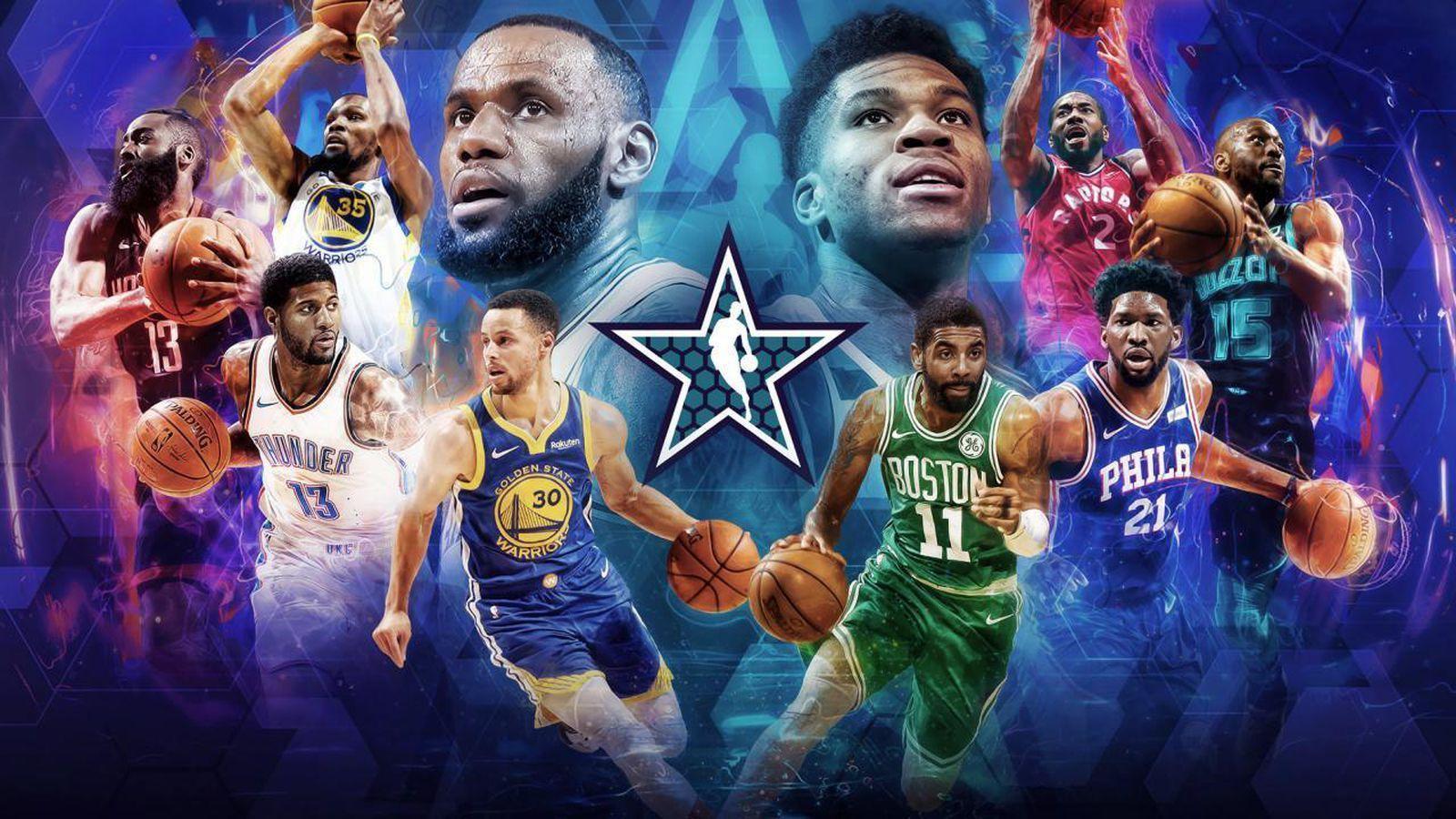
NBA MVP Race Heats Up: Predicting This Season's Top Contenders.
Hey there, fellow basketball fanatics! Ever find yourself glued to the screen, watching a nail-biting game, and thinking, "Man, that playerreallydeserves some recognition"? Yeah, me too. We're talking about the coveted Maurice Podoloff Trophy, folks – the NBA MVP! It's the ultimate individual accolade, and trying to predict who'll take it home is like trying to guess the ending of your favorite mystery novel. You've got clues, you've got suspects (aka, the star players), but the final reveal is always a wild ride. This year? It's shaping up to be a real barnburner. We've got seasoned vets playing out of their minds, young guns rising to superstardom, and a whole lot of incredible performances in between. Forget about your fantasy team for a minute (okay, maybe just aminute). We’re diving deep into the MVP race, breaking down the contenders, analyzing their stats, and ultimately, making some bold predictions. So buckle up, grab your popcorn (or your favorite game-day snack), and let's get ready to dissect this season's MVP showdown. Ready to find out who we think will be hoisting that trophy? Let's jump in!
The Frontrunners:Leaning Towards Likely Winners
Alright, let's talk about the players who are currently dominating the headlines and the leaderboards. These are the names you hear analysts buzzing about, the ones whose highlight reels are constantly popping up on social media. They're the odds-on favorites, but as any NBA fan knows, anything can happen.
Nikola Jokic: The Serbian Sensation
Let's start with Nikola Jokic. The "Joker" has already snagged multiple MVP awards, and guess what? He's showing no signs of slowing down. His passing is legendary, his scoring is efficient, and he makes everyone around him better. It's like he's playing chess while everyone else is playing checkers. He’s not just putting up numbers; he’s leading his team to wins. And in the MVP race, winning matters – a lot. His ability to impact the game insomany ways is what sets him apart. Triple-double threats every single night? Yeah, that's Jokic.
Shai Gilgeous-Alexander: The Rising Star
Next, we have Shai Gilgeous-Alexander, often called SGA by those in the know. SGA's ascent to superstardom has been nothing short of breathtaking. He's a scoring machine with a knack for getting to the basket. His defense is improving every year. What's more impressive is that he's leading a young team and turning them into contenders. SGA is showing the world that he's not just a scorer; he's a leader. He has the "it" factor, that intangible quality that separates good players fromgreatplayers. His confidence is infectious, and it's clear that his teammates believe in him.
Giannis Antetokounmpo: The Greek Freak Still Dominating
We can’t forget about Giannis Antetokounmpo, can we? The "Greek Freak" is a perennial MVP candidate for a reason. His combination of size, speed, and athleticism is unlike anything the league has ever seen. He bulldozes his way to the basket with seemingly unstoppable force. It's not just about power; it's also about his incredible skill and determination. He’s a two-time MVP, and you know he's hungry for more. He's constantly working on his game, adding new wrinkles and refining his skills. Never count Giannis out, friends. Never.
The Dark Horses: Players to Watch Out For
These are the guys who might not be at the very top of the MVP conversation right now, but they have the potential to make a serious run for the trophy. They're the underdogs, the players who could surprise everyone. Keep an eye on them.
Luka Dončić: The Slovenian Prodigy
Luka Dončić is a walking highlight reel. His passing, shooting, and overall court vision are off the charts. He's got the swagger and the skill to take over any game. The only thing holding him back might be his team's record. If they can start racking up more wins, watch out. He's the kind of player who can single-handedly carry a team. And when he's on, he's virtually unstoppable. Dončić's creativity and flair make him a joy to watch.
Jayson Tatum: The Boston Bomber
Jayson Tatum is a smooth scorer with a sweet jumper and the ability to create his own shot. He's the centerpiece of a championship-contending team. And if he can elevate his game to another level, he could definitely be in the MVP mix. He has all the tools to be a dominant force in the league for years to come. His improved defense and playmaking are signs that he's committed to becoming a complete player. Tatum's poise and maturity are remarkable for someone his age.
Kevin Durant: The Consistent Scorer
We should never discount Kevin Durant. Durant's scoring prowess is legendary. He can get a bucket against anyone, anywhere, at any time. His length and silky-smooth jumper make him virtually impossible to guard. If he stays healthy and his team performs well, he'll be in the conversation. He is a walking bucket. Durant's experience and savvy make him a dangerous opponent. His ability to score from anywhere on the court makes him a nightmare matchup for defenders.
The Factors That Influence the MVP Vote
Okay, so we've talked about the players. Now let's talk about the factors that actually influence who wins the MVP award. It's not just about stats, folks. There's a lot more to it than that.
Team Record: Winning Matters
This is a big one. Typically, the MVP comes from one of the top teams in the league. Voters tend to favor players who are leading their teams to success. It's not a hard-and-fast rule, but it's definitely a strong trend. A player can put up incredible numbers, but if his team is losing, it's going to be tough for him to win the MVP. Winning creates a narrative, and that narrative is often crucial in the MVP race.
Individual Stats: Numbers Don't Lie (Usually)
Of course, stats matter. Points, rebounds, assists, steals, blocks – they all play a role. But it's not just about accumulating big numbers. It's abouthowthose numbers are achieved. Are you scoring efficiently? Are you making your teammates better? Are you impacting the game on both ends of the court? Voters look at the whole picture. It's about quality over quantity. A player who averages 25 points on 60% shooting is going to be more impressive than a player who averages 30 points on 40% shooting.
Narrative: The Story Behind the Player
This is where things get a little subjective. The MVP award often goes to the player with the beststory. Are they overcoming adversity? Are they leading a young team to new heights? Are they playing with a renewed sense of purpose? These narratives can sway voters. Humans love stories, and voters are human. If a player has a compelling narrative, it can give them an edge in the MVP race. For example, a player who returns from a serious injury and has a career year is going to have a powerful narrative.
Health: Staying on the Court
It sounds obvious, but it's crucial: players have to stay healthy to win the MVP. Missing a significant number of games can derail even the most promising candidacy. Availability is the best ability, as they say. A player who's consistently on the court has a much better chance of winning the MVP than a player who's constantly sidelined with injuries. Voters want to see players who are making an impact night after night.
Predictions: Who Will Take Home the Trophy?
Alright, drumroll please... It's time to make some predictions. This is just my opinion, of course. The beauty of the NBA is that anything can happen.
My Top Pick: Nikola Jokic
I'm leaning towards Nikola Jokic. His consistent excellence, his impact on winning, and his overall dominance make him a strong contender. It's hard to argue against his track record and his current performance. He seems to be playing with a chip on his shoulder, determined to prove that he's still the best player in the world.
My Dark Horse Pick: Shai Gilgeous-Alexander
If SGA can lead his team to a top-four seed in the Western Conference, he could definitely steal the show. His scoring ability, his leadership, and his overall improvement make him a player to watch. He has the potential to surprise everyone and make a serious run for the MVP trophy.
The Upset Special: Luka Dončić
Dončić is always capable of catching fire and putting up ridiculous numbers. He has the talent and the skill to win the MVP. If his team can turn things around and start winning consistently, he could be a real threat.
What to Watch For in the Coming Weeks
The MVP race is a marathon, not a sprint. There's still a lot of basketball to be played. Here's what to watch for in the coming weeks: Team Performance: Which teams are rising and falling in the standings? Individual Performances: Are any players making a late-season push? Injuries: Which players are staying healthy and which ones are getting sidelined? Narrative Shifts: Are any new storylines emerging that could impact the MVP race?
Keep an eye on these factors, and you'll be well-equipped to follow the MVP race as it unfolds. It's going to be a wild ride!
Diving Deeper: Advanced Metrics and Their MVP Implications
Let’s get a little nerdy, shall we? Beyond the basic stats we all know and love (points, rebounds, assists), the world of basketball analytics has exploded with advanced metrics that provide deeper insights into player performance and value. These metrics can be incredibly helpful in evaluating MVP candidates and identifying players who contribute more to their team’s success than meets the eye.
Player Efficiency Rating (PER): A Comprehensive Overview
PER attempts to boil down a player's entire statistical contribution into a single number. It takes into account positive contributions like points, assists, rebounds, steals, and blocks, and subtracts negative contributions like missed shots, turnovers, and fouls. It’s adjusted for pace, so players on faster-paced teams aren’t unfairly penalized or rewarded. While PER isn't perfect, it provides a quick and easy way to compare the overall efficiency of different players. A high PER is generally indicative of a player who is highly productive and efficient on the court.For example,a player with a PER of 30 or higher is typically considered to be in MVP-caliber territory.
Win Shares (WS): Quantifying a Player's Contribution to Wins
Win Shares attempts to estimate the number of wins a player is responsible for contributing to their team. It takes into account both offensive and defensive contributions, and it's based on the idea that every NBA team has a certain number of possessions per game, and each possession has a certain expected value. Win Shares then tries to allocate that value to individual players based on their statistical performance. Win Shares can be useful in identifying players who are making a significant impact on their team’s winning percentage.Imaginetwo players with similar scoring averages, but one player has significantly higher Win Shares. This suggests that the player with higher Win Shares is contributing more to their team's overall success, even if their scoring stats are similar.
Box Plus/Minus (BPM): A Box Score-Based Estimate of Value
BPM is a box score-based metric that estimates a player's contribution to the team, per 100 possessions, relative to an average player. It takes into account a player's points, rebounds, assists, steals, blocks, turnovers, and fouls, and it's adjusted for the player's position and the team's overall performance. BPM is a relatively simple metric, but it can be surprisingly accurate in identifying players who are providing significant value to their teams. A high BPM suggests that a player is making a significant positive impact on their team's performance.Think of it this way: a player with a BPM of +5 is estimated to be contributing 5 points per 100 possessions more than an average player.
Value Over Replacement Player (VORP): Measuring Impact Above Replacement Level
VORP attempts to quantify a player's total contribution to the team compared to a readily available replacement-level player. It's based on BPM, and it estimates the number of points per 100 possessions that a player contributes above what a replacement-level player would contribute. VORP can be useful in identifying players who are significantly more valuable than their peers.Consider this scenario: a player with a VORP of 5 is estimated to be contributing 5 points per 100 possessions more than a replacement-level player, which translates to a significant advantage for their team over the course of a season.
How to Use Advanced Metrics in MVP Analysis
When evaluating MVP candidates, it's important to look beyond the basic stats and consider these advanced metrics. They can provide a more nuanced understanding of a player's overall impact on their team. However, it's also important to remember that no single metric is perfect, and it's best to use them in conjunction with other information, such as game film and coaching insights.For example,a player might have a high PER, but if they're playing on a bad team, their Win Shares might be lower. Or a player might have a low BPM, but if they're playing a specialized role on a good team, their VORP might be higher than expected. By considering all of these factors, you can get a more complete picture of a player's overall value. It’s also important to remember that these metrics are constantly evolving, as analysts continue to refine their models and develop new ways to measure player performance.
The Importance of Leadership and Intangibles
While statistics, advanced or otherwise, offer concrete evidence of a player's impact, there's a whole other side to the MVP equation that's much harder to quantify: leadership and intangibles. These are the qualities that don't always show up on the stat sheet, but they can be just as crucial to a player's success – and their chances of winning the MVP award.
Leading by Example: Setting the Tone for the Team
True leaders inspire their teammates through their actions, not just their words. They're the first ones in the gym and the last ones to leave. They're the ones who dive for loose balls, take charges, and make the extra pass. They set the tone for the entire team, and their commitment is contagious.Think about it: a player who consistently gives 100% effort is going to inspire their teammates to do the same. That kind of leadership can be invaluable, especially during tough stretches of the season.
Vocal Leadership: Guiding and Motivating Teammates
While leading by example is essential, vocal leadership is also crucial. Leaders need to be able to communicate effectively with their teammates, providing guidance, motivation, and constructive criticism. They need to be able to hold their teammates accountable, and they need to be able to rally the team when things get tough.Consider this scenario: a team is down by 15 points in the fourth quarter. A vocal leader steps up, calms the team down, and provides a clear plan of action. That kind of leadership can be the difference between a loss and a comeback victory.
Clutch Performances: Rising to the Occasion
Clutch performances are those moments when a player steps up and delivers in the most crucial situations. It could be hitting a game-winning shot, making a key defensive stop, or simply making the right play at the right time. Clutch performances demonstrate a player's ability to handle pressure and deliver when it matters most.Imaginea player consistently hitting game-winning shots. That player is going to earn a reputation as a clutch performer, and that reputation can be a significant factor in the MVP race.
Intangibles: The Qualities That Don't Show Up on the Stat Sheet
Intangibles are those qualities that are difficult to measure but are nonetheless important to a player's success. They include things like basketball IQ, court awareness, hustle, and selflessness. These qualities can make a player more valuable than their statistics might suggest.Think about a playerwho consistently makes smart decisions on the court, even if they're not scoring a lot of points. That player is going to be a valuable asset to their team, even if their contributions don't always show up on the stat sheet. Or think about a player who is always willing to sacrifice their own stats for the good of the team. That kind of selflessness can be contagious, and it can help create a winning culture.
How Leadership and Intangibles Impact the MVP Vote
Voters often consider leadership and intangibles when evaluating MVP candidates. They're looking for players who are not only putting up big numbers but also making a positive impact on their team's culture and performance. A player who is seen as a leader and a winner is more likely to win the MVP award than a player who is simply putting up stats on a losing team. These qualities help create a narrative, a story about a player's overall impact.
The Historical Perspective: Lessons from Past MVP Races
To better understand the current NBA MVP race, it's helpful to look back at past MVP races and identify the trends and patterns that have influenced the voting in previous years. History doesn’t always repeat itself, but it often rhymes, as the saying goes.
The Importance of Team Success: A Consistent Trend
One of the most consistent trends in MVP voting is the importance of team success. In most years, the MVP has come from one of the top teams in the league. Voters tend to favor players who are leading their teams to winning records and deep playoff runs.Consider Michael Jordan in 1988. While he had statistically superior seasons later, his MVP came when the Bulls finished with the third-best record in the East. This highlights the perceived correlation between individual brilliance and team success.
The Dominance of Guards and Forwards: Positional Bias
Historically, guards and forwards have dominated the MVP award. Centers have won the award, but it's less common. This positional bias may be due to the fact that guards and forwards typically handle the ball more and have more opportunities to score and create plays.Think about it: guards and forwards are often the primary scorers and playmakers on their teams, while centers are often more focused on rebounding and defense.
The Evolution of the MVP: From Pure Stats to Overall Impact
In the early years of the NBA, the MVP award was often given to the player with the best stats. However, over time, voters have started to consider a wider range of factors, including leadership, intangibles, and overall impact on the game.For instance,Bill Russell won multiple MVP awards despite not always having the highest scoring averages. His defensive dominance and leadership were highly valued.
The Impact of Narrative: The Power of a Good Story
As we’ve discussed, the narrative surrounding a player can have a significant impact on their MVP chances. Players who are overcoming adversity, leading a young team to new heights, or playing with a renewed sense of purpose often have a compelling story that resonates with voters.Consider Derrick Rose’s MVP season.His youth, explosive style, and leadership of the Bulls created a compelling narrative that voters embraced.
Lessons for the Current MVP Race: Applying Historical Insights
By studying past MVP races, we can gain valuable insights into the factors that are likely to influence the current MVP vote.Here are a few key lessons: Team success is paramount: The MVP is likely to come from one of the top teams in the league. Guards and forwards have an advantage: Players at these positions typically have more opportunities to showcase their skills. Overall impact matters: Voters are looking for players who are making a positive impact on their team's culture and performance. A compelling narrative can help: Players with a good story are more likely to capture the attention of voters.
By keeping these lessons in mind, we can better understand the dynamics of the current MVP race and make more informed predictions about who is likely to win the award.
The race for the NBA MVP is always a captivating spectacle, filled with incredible performances, surprising twists, and intense debate. As we've explored, it's not just about individual statistics; it's about team success, leadership, intangibles, and the power of a compelling narrative. The information shared offers a lens to evaluate and appreciate the players' journeys as they chase individual glory while propelling their teams forward. Now it's your turn: who doyouthink will ultimately hoist the Maurice Podoloff Trophy? And what impact do these awards have on the legacy of the game? Let the discussion begin!

Post a Comment for "NBA MVP Predictions: Who Will Win?"
Post a Comment