Joe Biden’s Infrastructure Plans and Their Impact
Joe Biden’s Infrastructure Plans: Reshaping America for the Future
Did you ever feel like your daily commute is a never-ending saga of potholes and traffic jams? Or maybe you’ve dreamed of finally getting reliable internet in your rural town? Well, you're not alone! This article dives into the nuts and bolts of Joe Biden's infrastructure plans, exploring how they aim to revamp America's aging systems and what impact these changes could have on your life and the economy. Get ready to explore how these plans might just pave the way for a smoother ride, a faster connection, and a brighter future for all!
Understanding Joe Biden’s Infrastructure Vision
Joe Biden's vision for infrastructure is ambitious, and seeks to address not only the obvious physical infrastructure needs but also those related to digital and social infrastructure. The core idea is to modernize America, making it more competitive and equitable in the 21st century. This isn't just about fixing roads; it's about building a foundation for sustained economic growth and ensuring that everyone benefits. Think of it as a comprehensive upgrade to the entire country, from the ground up.
The American Society of Civil Engineers (ASCE) consistently grades the U.S.’s infrastructure with a near-failing grade. Decades of underinvestment have resulted in crumbling bridges, congested highways, outdated water systems, and unreliable public transportation. These deficiencies not only create inconvenience and safety hazards but also act as a drag on the economy, hindering productivity and increasing costs for businesses and individuals. Biden’s plan aims to reverse this trend, injecting substantial investment into critical areas to bring America's infrastructure up to par.
Furthermore, the infrastructure plans are designed to tackle climate change. There's a significant focus on transitioning to clean energy, improving energy efficiency, and building resilience against extreme weather events.Investing in electric vehicle charging stations, for example, is a key component of the plan, aiming to accelerate the adoption of electric vehicles and reduce carbon emissions from the transportation sector. Similarly, upgrading water infrastructure and expanding broadband access reflect a commitment to environmental sustainability and equitable access to essential resources.
The scope of the plans extends beyond traditional infrastructure to include areas like caregiving and workforce development. Recognizing the importance of affordable childcare and eldercare, the plans propose investments to expand access to these services and improve the quality of care. Additionally, workforce development programs aim to equip workers with the skills needed to succeed in the jobs of the future, particularly in emerging industries like clean energy and advanced manufacturing. This holistic approach underscores the interconnectedness of different sectors and the need for comprehensive solutions to address complex challenges. Are you ready to see exactly how these plans will affect you? Let's delve into the details!
The Key Components of the Infrastructure Plans
The Biden administration's infrastructure plans, primarily encompassing the Bipartisan Infrastructure Law (BIL) and earlier iterations like the American Jobs Plan, are comprehensive in scope. Let's break down the major components, making it easier to see what's in store for our nation's foundation.
Transportation Networks: Roads, Bridges, and Public Transit
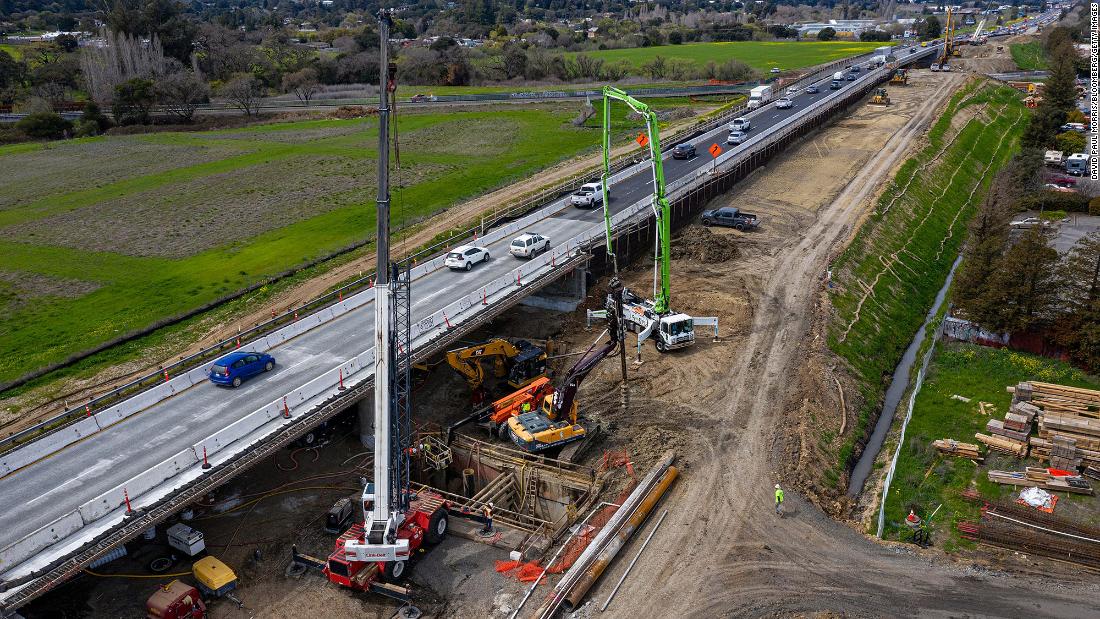
One of the most visible aspects of the plans focuses on revitalizing our transportation networks.Think smoother roads, safer bridges, and more reliable public transportation. The investment aims to address the backlog of deferred maintenance, replacing or repairing aging infrastructure to ensure safety and efficiency. This includes funding for: Road and Bridge Repairs: Addressing the thousands of bridges and miles of roads in poor condition. This aims to reduce traffic congestion, improve safety, and lower vehicle maintenance costs. Public Transit Modernization: Expanding and modernizing public transit systems in urban and rural areas. This involves upgrading buses, trains, and light rail systems, as well as improving accessibility for people with disabilities. Passenger and Freight Rail Improvements: Investing in high-speed rail corridors and freight rail networks to enhance connectivity and reduce reliance on highways. Electric Vehicle Infrastructure: Building a national network of electric vehicle charging stations to support the transition to electric vehicles.
Water Infrastructure: Ensuring Clean and Safe Water
Clean and safe water is essential for public health and economic activity. The infrastructure plans allocate significant resources to upgrade water infrastructure, addressing issues like lead contamination, aging pipes, and water scarcity. Key investments include: Lead Pipe Replacement: Removing lead service lines that can contaminate drinking water and pose health risks, particularly to children. Water Treatment Plant Upgrades: Modernizing water treatment plants to improve water quality and ensure compliance with environmental regulations. Wastewater Infrastructure Improvements: Upgrading wastewater treatment systems to reduce pollution and protect waterways. Water Storage and Conservation Projects: Investing in water storage projects, such as dams and reservoirs, and promoting water conservation measures to address water scarcity.
Broadband Internet Access: Bridging the Digital Divide
In today's digital age, reliable internet access is essential for education, healthcare, and economic opportunity. The infrastructure plans aim to bridge the digital divide by expanding broadband access to underserved areas. This includes: Broadband Infrastructure Deployment: Building high-speed internet infrastructure in rural and underserved areas. Affordability Subsidies: Providing subsidies to low-income households to make broadband more affordable. Digital Literacy Programs:Supporting digital literacy programs to help people develop the skills needed to use the internet effectively.
Energy Infrastructure: Transitioning to a Clean Energy Future
Transitioning to a clean energy future is a central goal of the infrastructure plans. Investments in energy infrastructure aim to promote renewable energy, improve energy efficiency, and enhance grid resilience. Key initiatives include: Renewable Energy Development: Supporting the development of renewable energy sources, such as solar, wind, and geothermal. Energy Efficiency Upgrades: Promoting energy efficiency upgrades in buildings and homes to reduce energy consumption and lower energy bills. Grid Modernization: Upgrading the electric grid to improve its reliability, resilience, and ability to integrate renewable energy sources. Clean Energy Technology Development: Investing in research and development of clean energy technologies to drive innovation and reduce costs.
Addressing Climate Change and Environmental Resilience
Climate change poses significant risks to our infrastructure and communities. The infrastructure plans include investments to enhance resilience to extreme weather events and reduce greenhouse gas emissions. This includes: Resilience Infrastructure Projects: Building infrastructure that is more resilient to extreme weather events, such as floods, wildfires, and hurricanes. Natural Infrastructure Solutions: Investing in natural infrastructure solutions, such as wetlands and coastal restoration, to protect communities from climate change impacts. Emissions Reduction Measures:Implementing measures to reduce greenhouse gas emissions from transportation, energy, and other sectors.
These key components illustrate the broad scope of the infrastructure plans and their potential to transform America's infrastructure for the better. But what exactly are the benefits and drawbacks of such large-scale investments? Let's explore the potential impacts.
Potential Economic and Social Impacts
Joe Biden's infrastructure plansare projected to have far-reaching economic and social impacts, both positive and potentially negative. Understanding these potential outcomes is crucial for evaluating the effectiveness and equity of the initiatives.
Economic Growth and Job Creation
One of the primary goals of the infrastructure plans is to stimulate economic growth and create jobs.Investing in infrastructure projects can generate direct employment in construction, engineering, and related industries. Moreover, these projects can have multiplier effects, boosting demand for goods and services across the economy. For example, building a new highway can create jobs in construction, but it can also improve transportation efficiency, benefiting businesses and consumers alike.
The Biden administration estimates that the infrastructure plans could create millions of jobs over the next decade. These jobs are expected to be in a variety of sectors, including construction, manufacturing, clean energy, and technology. However, some economists caution that the actual job creation may be lower, depending on factors such as the availability of skilled labor and the efficiency of project implementation.
Productivity Gains and Enhanced Competitiveness
Modernizing infrastructure can improve productivity and enhance America's competitiveness in the global economy. Upgrading transportation networks can reduce travel times and shipping costs, making it easier for businesses to move goods and services. Expanding broadband access can improve communication and collaboration, boosting productivity in various industries.
Investing in infrastructure can also attract foreign investment and encourage innovation. A modern and efficient infrastructure system can signal to investors that a country is a good place to do business, leading to increased investment and economic growth. Furthermore, investing in research and development of new technologies can drive innovation and create new industries.
Environmental Benefits and Sustainability
The infrastructure plans also aim to deliver significant environmental benefits and promote sustainability.Investing in renewable energy, energy efficiency, and clean transportation can reduce greenhouse gas emissions and mitigate climate change. Upgrading water infrastructure can improve water quality and protect ecosystems.
The plans also include investments in resilience infrastructure, which can help communities adapt to the impacts of climate change, such as extreme weather events. By building more resilient infrastructure, we can reduce the costs associated with natural disasters and protect communities from harm.
Equity and Social Justice
Addressing equity and social justice is another key objective of the infrastructure plans. The plans aim to ensure that all communities, regardless of race, income, or location, have access to essential services and opportunities. This includes investing in underserved areas, creating jobs for disadvantaged workers, and promoting environmental justice.
The plans also prioritize investments in affordable housing, childcare, and eldercare, which can help families meet their basic needs and improve their economic security. By addressing these social needs, the infrastructure plans can help reduce inequality and promote social mobility.
Potential Challenges and Trade-offs
While the infrastructure plans have the potential to deliver significant benefits, there are also potential challenges and trade-offs to consider.
Cost and Funding: The infrastructure plans are expensive, and there are concerns about how to pay for them without increasing the national debt or raising taxes on middle-class families. Inflation: Some economists worry that the infrastructure plans could contribute to inflation by increasing demand for goods and services. Permitting Delays: Infrastructure projects can be subject to lengthy permitting processes, which can delay construction and increase costs. Skilled Labor Shortages: There may be a shortage of skilled labor to carry out the infrastructure projects, which could also delay construction and increase costs.
Addressing these challenges will be crucial for ensuring that the infrastructure plans are implemented effectively and deliver the intended benefits.
Case Studies: Infrastructure Projects and Their Impact
To better understand the potential impacts of Joe Biden's infrastructure plans, let's look at some real-world examples of infrastructure projects and their effects on communities and economies.
The Interstate Highway System
The Interstate Highway System, launched in the 1950s, is one of the most ambitious infrastructure projects in U.S. history.This network of highways transformed transportation in America, facilitating travel and commerce across the country. The Interstate Highway System has had a profound impact on the U.S. economy, enabling businesses to operate more efficiently and expanding access to markets. It has also had a significant impact on social life, making it easier for people to travel and connect with each other. However, the Interstate Highway System has also had some negative impacts, such as contributing to urban sprawl and increasing reliance on automobiles.
The Hoover Dam
The Hoover Dam, completed in the 1930s, is a massive concrete dam on the Colorado River.This project provided water and electricity to millions of people in the southwestern United States. The Hoover Dam has had a transformative impact on the region, enabling agriculture, industry, and urban development. It has also provided recreational opportunities and enhanced the quality of life for residents. However, the Hoover Dam has also had some negative impacts, such as altering river ecosystems and displacing Native American communities.
High-Speed Rail in Europe and Asia
High-speed rail systems in Europe and Asia provide examples of howmodern transportation infrastructure can transform economies and societies. Countries like France, Germany, Japan, and China have invested heavily in high-speed rail, creating fast and efficient transportation networks. These systems have reduced travel times, improved connectivity, and stimulated economic growth. They have also helped to reduce reliance on air travel, which is more energy-intensive and environmentally damaging. However, high-speed rail projects are also expensive and require careful planning to ensure that they are financially viable and serve the needs of the communities they connect.
Lessons Learned
These case studies illustrate the potential benefits and challenges of infrastructure projects. They demonstrate that infrastructure investments can have transformative impacts on economies and societies, but they also require careful planning, execution, and consideration of potential trade-offs. By learning from past experiences, we can ensure that Joe Biden's infrastructure plansare implemented effectively and deliver the intended benefits for all Americans.
The Future of American Infrastructure
Joe Biden's infrastructure plansrepresent a significant opportunity to modernize America's infrastructure and build a more sustainable and equitable future. The plans address critical needs in transportation, water, broadband, energy, and resilience, with the potential to generate significant economic, social, and environmental benefits.
However, realizing these benefits will require careful planning, effective implementation, and ongoing monitoring. It will also require collaboration among government, business, and community stakeholders. By working together, we can ensure that the infrastructure plans are implemented in a way that maximizes their positive impacts and minimizes their negative consequences.
The future of American infrastructure depends on our willingness to invest in our nation's foundation and build a more resilient and prosperous future for all.
The American Jobs Plan and the Bipartisan Infrastructure Law represent monumental shifts in how the U.S. approaches infrastructure development.From repairing aging roads and bridges to expanding access to high-speed internet and clean water, these initiatives aim to modernize the nation's infrastructure and foster economic growth. By prioritizing sustainable and resilient solutions, the plans also seek to address the challenges posed by climate change and create a more equitable society.
Investing in infrastructure is not just about fixing what's broken; it's about building a foundation for future prosperity and innovation. As these projects move forward, it will be crucial to monitor their progress, evaluate their impacts, and adapt our strategies as needed. By embracing a forward-thinking approach, we can ensure that our infrastructure investments serve the needs of current and future generations and help America remain competitive in the global economy.
Navigating the Political Landscape
The implementation of Joe Biden’s infrastructure planshas not been without its political hurdles. Gaining bipartisan support for such large-scale investments required considerable negotiation and compromise. Understanding the political landscape is crucial for comprehending the challenges and opportunities associated with these initiatives.
Bipartisan Support and Compromises
While there was broad agreement on the need to invest in infrastructure, there were significant differences in opinion on the scope, priorities, and funding mechanisms.Negotiations between Democrats and Republicans resulted in the Bipartisan Infrastructure Law (BIL), which passed with support from both parties. However, some aspects of the original plan were scaled back or eliminated to secure Republican votes.
The BIL focuses primarily on traditional infrastructure, such as roads, bridges, and water systems.It also includes investments in broadband internet and electric vehicle charging stations. However, some Democratic priorities, such as investments in childcare and eldercare, were not included in the final bill.
Political Challenges and Opposition
Despite the bipartisan support for the BIL, there is still significant political opposition to the broader infrastructure agenda. Some Republicans argue that the plans are too expensive and would lead to increased government spending and debt. Others raise concerns about the potential for inflation and the impact on businesses.
Furthermore, there are ideological differences over the role of government in infrastructure development. Some Republicans believe that infrastructure should be primarily the responsibility of the private sector, while Democrats argue that government has a critical role to play in ensuring that all communities have access to essential services.
Navigating the Political Divide
Overcoming these political challenges will require continued negotiation, compromise, and public engagement. It will be important to build consensus around the benefits of infrastructure investment and to address concerns about costs and potential negative impacts. It will also be important to highlight the bipartisan support for many aspects of the infrastructure agenda and to work together to find common ground.
The success of Joe Biden's infrastructure plans depends on the ability to navigate the political landscape and build broad support for these critical investments. By working together, we can ensure that our nation's infrastructure is modernized and that all Americans have the opportunity to thrive.
Monitoring Progress and Measuring Success
Implementing Joe Biden's infrastructure planseffectively requires careful monitoring and evaluation. It's essential to track progress, measure the impact of projects, and make adjustments as needed to ensure that the plans achieve their intended goals.
Key Performance Indicators (KPIs)
To monitor progress, it's important to establish clear Key Performance Indicators (KPIs) that can be used to track the implementation of projects and measure their impact. These KPIs should be aligned with the goals of the infrastructure plans, such as: Job Creation: Tracking the number of jobs created as a result of infrastructure investments. Economic Growth: Measuring the impact of infrastructure projects on economic activity, such as GDP growth and business investment. Environmental Benefits: Assessing the reduction in greenhouse gas emissions and the improvement in environmental quality. Equity and Social Justice: Evaluating the impact of infrastructure investments on underserved communities and the reduction in inequality.
Data Collection and Analysis
Collecting accurate and reliable data is essential for monitoring progress and measuring success. This requires establishing robust data collection systems and using appropriate analytical techniques. Data can be collected from a variety of sources, such as government agencies, contractors, and community organizations. The data should be analyzed regularly to identify trends, assess performance, and inform decision-making.
Transparency and Accountability
Transparency and accountability are crucial for building public trust and ensuring that the infrastructure plans are implemented effectively. This requires making information about projects and their impacts publicly available and holding government agencies and contractors accountable for their performance. Public engagement and feedback can also help to ensure that the infrastructure plans are responsive to the needs of communities.
Adaptive Management
Implementing Joe Biden's infrastructure plans is an ongoing process that requires adaptive management. This means being willing to make adjustments to strategies and projects as needed based on data and feedback. By continuously monitoring progress, measuring success, and adapting our approach, we can ensure that the infrastructure plans achieve their intended goals and deliver lasting benefits for all Americans.
Conclusion: Building a Better Future Together
Joe Biden's infrastructure plansrepresent a bold vision for the future of America. These plans aim to modernize our nation’s infrastructure, create jobs, stimulate economic growth, promote environmental sustainability, and advance equity and social justice. While there are challenges and trade-offs to consider, the potential benefits are significant.
We've explored the key components of these plans, from revitalizing transportation networks to expanding broadband access and investing in clean energy. We've examined the potential economic and social impacts, both positive and negative. We've also looked at case studies of infrastructure projects and their impact on communities and economies.
The journey ahead requires collaboration, compromise, and a commitment to transparency and accountability.The success of these plans depends on our collective effort to build a better future for all Americans.
So, what can you do? Stay informed about the progress of infrastructure projects in your community. Engage with your elected officials and share your thoughts and concerns. Support initiatives that promote sustainable and equitable development. Let's work together to ensure that Joe Biden's infrastructure planscreate a positive and lasting impact on our nation.
Are you ready to be part of the solution and help shape the future of American infrastructure?

Post a Comment for "Joe Biden’s Infrastructure Plans and Their Impact"
Post a Comment