Jake Tapper’s Coverage of Global Political Events
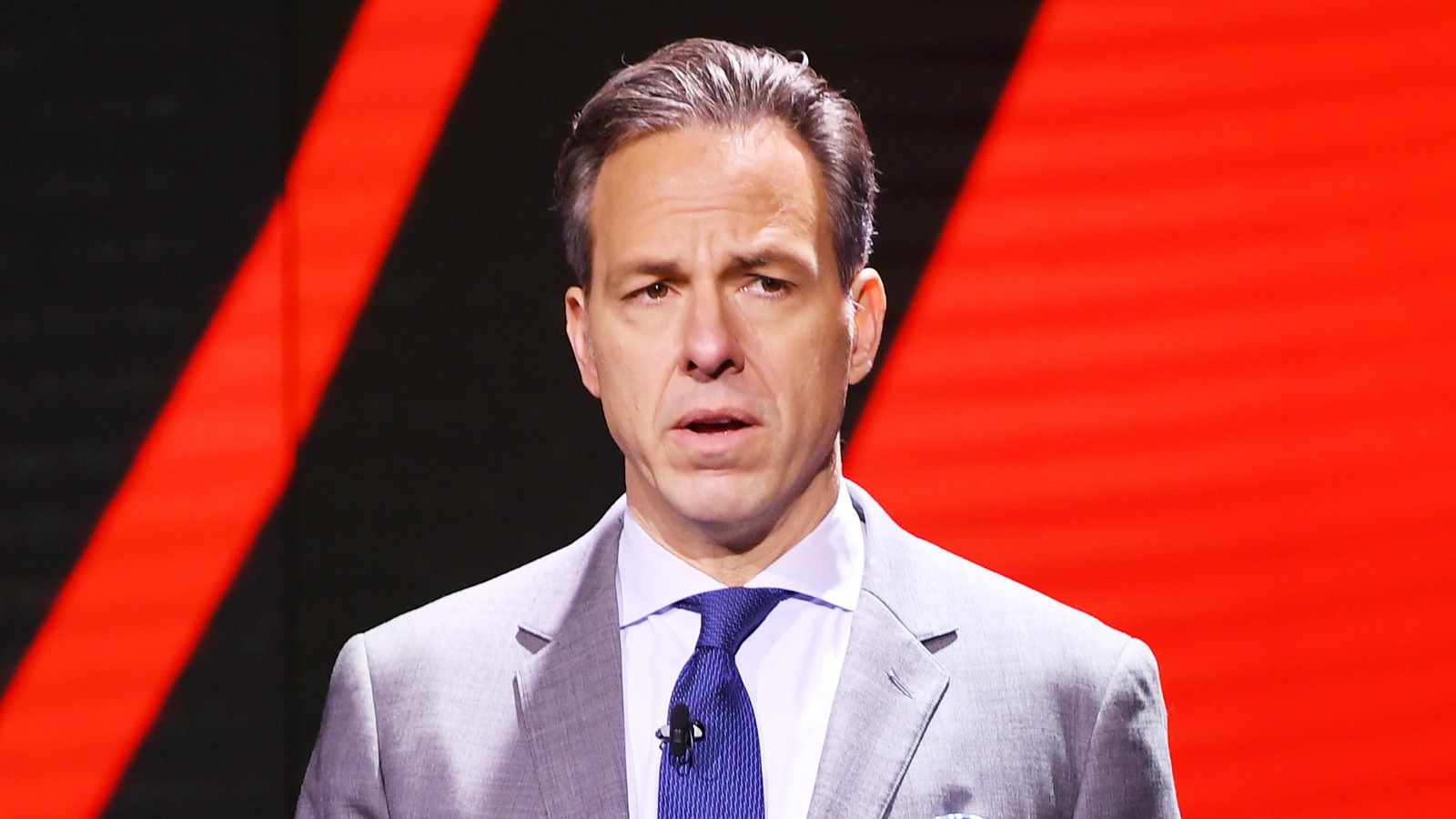
Jake Tapper's World: How He Covers Global Political Events
Okay, friends, let's dive into the world of political journalism, specifically focusing on a guy who's become a household name: Jake Tapper.Jake Tapper’s Coverage of Global Political Eventsis something we often see snippets of on social media, hear discussed on our commutes, or catch during those rare moments we actually sit down to watch the news. But how does hereallyapproach covering such complex and often volatile international situations? What makes his coverage stand out (or not stand out) from the crowd? And why should we, as everyday citizens, even care about Jake Tapper's analysis of international affairs?
Think of it this way:imagine trying to follow a soccer game being played in a stadium you've never been to, with rules you only vaguely understand, and commentators speaking a language you barely comprehend. That's what following global politics can often feel like. We're bombarded with information – conflicts in distant lands, economic policies that sound like gibberish, and leaders whose names we can barely pronounce.Understanding global politicsbecomes a monumental task.
Now, imagine that someone hands you a pair of binoculars, explains the basic rules of the game, and translates what the commentators are saying into simple, understandable English. That's what a good political journalist does. They cut through the noise, provide context, and help us make sense of it all.Jake Tapper, with his background and style, attempts to be that translator.
But here's the rub: every translator has their own biases, their own perspectives, their own ways of framing information. So, when we're talking about Jake Tapper's reporting on international crises, it's crucial to understandhowhe's doing it,whatperspectives he's bringing to the table, andwhythat matters. Is he offering balanced analysis, or is he leaning into a particular narrative? Is he giving a platform to diverse voices, or is he primarily relying on the usual suspects? These are important questions to ask.
Think about a recent global event – say, a major election in a foreign country or a humanitarian crisis unfolding halfway around the world. How did you first hear about it? What information stuck with you? Chances are, the way the news was framed, the angles that were emphasized, and the voices that were amplified all played a significant role in shaping your understanding of the situation. Journalists like Jake Tapper have the power to influence that understanding, for better or for worse.
We all want to be informed citizens, capable of engaging in meaningful conversations about the world around us. But in an age of information overload and rampant misinformation, it's more important than ever to be critical consumers of news. This article isn't about blindly praising or condemning Jake Tapper’s coverage of geopolitical issues. It's about taking a closer look at his work, understanding his approach, and empowering ourselves to form our own informed opinions. Are you ready to get a clearer view of how Tapper interprets global events? Then stick around, friends, because we're about to dive deep.
Jake Tapper's Journalistic Style and Background
The Making of a Newsman
Jake Tapper didn't just magically appear on our television screens. He’s had a journey. Knowing Jake Tapper's journalistic backgroundis crucial to understanding his approach. He's a Dartmouth College graduate with a degree in history – a field that inherently emphasizes context and long-term perspectives. Before landing at CNN, he worked at ABC News, where he covered the White House. That experience of being in the political trenches, dealing directly with politicians and their spin doctors, undoubtedly shaped his skepticism and his approach to questioning power.
Jake Tapper's career trajectorysuggests a deliberate climb, building experience and credibility along the way. He wasn't handed a primetime show overnight. This history matters because it informs his perspective. Knowing where someone comes from helps you understand where they’re going, and more importantly, how they interpret the present. It provides context for his questioning style, the guests he chooses to interview, and the narratives he emphasizes.
A Reputation for Sharp Interviews
One thing Tapper is known for is his interview style. He's not afraid to ask tough questions, even to powerful figures.Analyzing Jake Tapper’s interview techniquesreveals a combination of thorough research, a knack for identifying inconsistencies, and a willingness to challenge talking points. He often uses a "follow-up" approach, pressing guests to clarify their statements and explain their reasoning. This can lead to tense moments, but it also provides viewers with a clearer understanding of the issues at hand.
However, it's also important to consider potential criticisms. Some accuse him of being too aggressive or biased in his interviews.Examining critiques of Jake Tapper's reportingis a necessary part of a balanced assessment. Is he holding all sides accountable equally, or is he more critical of certain political viewpoints? This is a question worth considering as we analyze his coverage of global events.
Key Aspects of Jake Tapper's Coverage of Global Political Events
Focus on Geopolitical Hotspots
Jake Tapper and his team dedicate significant airtime to covering geopolitical hotspots. This means regions experiencing conflict, political instability, or significant shifts in power dynamics.Analyzing Jake Tapper's reporting on conflict zonesreveals a tendency to focus on the human cost of war and political violence. He often features interviews with civilians affected by these conflicts, providing a personal perspective that goes beyond the headlines.
For example, his coverage of the war in Ukraine has included on-the-ground reporting, interviews with Ukrainian refugees, and discussions with military experts. This multi-faceted approach aims to provide viewers with a comprehensive understanding of the conflict's impact.
Economic Policies and Global Trade
Global politics isn't just about wars and diplomacy; it's also about economics.Examining Jake Tapper's coverage of global trade policiesshows an effort to explain complex economic issues in an accessible way. He often breaks down the potential impacts of trade agreements, sanctions, and other economic policies on ordinary citizens.
For instance, he might discuss the implications of a new trade deal between the United States and another country, explaining how it could affect jobs, prices, and the overall economy. This type of coverage helps viewers understand the real-world consequences of global economic decisions.
Human Rights Issues
Jake Tapper’s commitment to human rights reportingis evident in his coverage of issues like political repression, religious persecution, and discrimination. He often features stories about individuals and groups who are fighting for their rights in challenging circumstances. He shines a light on abuses of power, giving voice to the voiceless.
This includes reporting on human rights violations in countries with authoritarian regimes, as well as highlighting instances of discrimination and injustice in more democratic societies.Analyzing Jake Tapper’s emphasis on human rights abusesreveals a consistent effort to hold power accountable.
The Role of International Organizations
International organizations like the United Nations, the World Health Organization, and the International Monetary Fund play a crucial role in global politics.Evaluating Jake Tapper's analysis of the UN's role in international crisessheds light on his perspective on these institutions. He often examines their effectiveness in addressing global challenges, such as climate change, poverty, and disease.
He might explore the UN's efforts to mediate conflicts, provide humanitarian aid, or enforce international law. He also analyzes the challenges these organizations face, such as funding shortages, political gridlock, and bureaucratic inefficiencies.Understanding Jake Tapper’s perspective on international institutionshelps to understand the complexities of global governance.
Potential Biases and Criticisms
Accusations of Partisan Leaning
No journalist is immune to criticism, and Jake Tapper is no exception. One common accusation is that he leans too heavily towards a particular political viewpoint.Addressing accusations of bias in Jake Tapper's global political coveragerequires a careful examination of his reporting. Does he consistently favor one political party or ideology over others? Are his questions and commentary more critical of certain viewpoints than others?
It's important to remember that "bias" doesn't necessarily mean deliberate distortion. It can also be unconscious or unintentional, stemming from a journalist's own background, experiences, and beliefs.Analyzing potential partisan bias in Jake Tapper’s reportingrequires looking beyond individual instances and examining his overall body of work.
Selective Coverage of Issues
Another criticism is that Tapper sometimes focuses on certain global issues while neglecting others.Examining selective coverage in Jake Tapper's reporting on world eventsreveals potential gaps in his coverage. Are there certain regions or conflicts that receive less attention than others? Are there certain types of human rights abuses that are consistently overlooked?
This doesn't necessarily mean that Tapper is deliberately ignoring important issues. It could simply be a matter of limited resources, editorial priorities, or the availability of information. However, it's important to be aware of these potential gaps and to seek out alternative sources of information to get a more complete picture of the world.Understanding limitations of Jake Tapper's coverageencourages viewers to explore different perspectives.
The Influence of Corporate Ownership
CNN, like many major news organizations, is owned by a large corporation. This raises questions about the potential influence of corporate interests on editorial decisions.Considering the influence of corporate ownership on Jake Tapper's reportingis a crucial aspect of media literacy. Are there certain topics that CNN is reluctant to cover because they could harm the corporation's bottom line? Are there certain viewpoints that are discouraged because they conflict with the interests of the ownership?
It's difficult to know the extent to which corporate ownership influences Tapper's reporting, but it's a factor that viewers should always keep in mind.Analyzing the impact of CNN’s corporate structure on journalistic integrityencourages media literacy and critical thinking.
How to Be a Critical Consumer of Jake Tapper's Coverage
Cross-Referencing Information
The most important thing you can do is cross-reference information. Don't rely solely on one news source, even if it's a source you generally trust.Emphasizing the importance of cross-referencing news sourcesreminds viewers to seek diverse perspectives. Read articles from different news organizations, both domestic and international. Listen to different commentators and analysts. By comparing and contrasting different perspectives, you can get a more complete and nuanced understanding of the issues.
Fact-Checking Claims
With the rise of misinformation and disinformation, fact-checking is more important than ever.Highlighting the need for fact-checking claims in news reportsencourages viewers to verify information independently. If a claim seems dubious, take the time to verify it. There are many reputable fact-checking organizations that can help you sort through the noise and identify false or misleading information.
Considering Alternative Perspectives
Be open to considering alternative perspectives, even if they challenge your own beliefs.Encouraging the exploration of diverse viewpointspromotes critical thinking and open-mindedness. Seek out voices from different backgrounds, cultures, and political viewpoints. This doesn't mean you have to agree with everything you hear, but it does mean being willing to listen and learn from others.
Understanding Media Literacy
Finally, it's important to develop your media literacy skills.Promoting media literacy for informed consumption of newsis essential in today's information environment. Understand how news organizations operate, how they make editorial decisions, and how they are influenced by factors such as corporate ownership and political pressure. Learn to identify common techniques of persuasion and manipulation. By becoming a more media-literate consumer, you can become a more informed and engaged citizen.
Conclusion: Jake Tapper's Role in Shaping Global Understanding
So, friends, we've taken a pretty deep dive into Jake Tapper's coverage of global political events. We've explored his background, his style, his areas of focus, and some of the potential criticisms leveled against him. We've also discussed the importance of being a critical consumer of news and seeking out diverse perspectives. Ultimately, understanding how someone like Tapper covers global issues requires recognizing the lens through which they interpret events. This recognition helps us form our own informed opinions.
Summarizing Jake Tapper's impact on public perception of global affairshighlights the importance of critical media consumption. He is just one voice, among many, shaping our understanding of a complex world. His work, like that of any journalist, is subject to biases, limitations, and the influence of various factors. By acknowledging these realities, we can become more discerning consumers of news and more engaged citizens of the world.
Now, here's the call to action: the next time you see a segment featuring Jake Tapper discussing a global event, don't just passively absorb the information. Actively analyze it. Think about the questions he's asking, the voices he's amplifying, and the narratives he's emphasizing. Then, go out and seek alternative perspectives. Read articles from different news organizations, listen to different commentators, and engage in conversations with people who hold different viewpoints.Encouraging active engagement with news consumptionempowers individuals to form their own informed opinions.
By becoming more critical and engaged consumers of news, we can contribute to a more informed and nuanced understanding of the world around us. And who knows, maybe we can even make the world a slightly better place in the process. So, what global event willyoube exploring further this week?

Post a Comment for "Jake Tapper’s Coverage of Global Political Events"
Post a Comment