How to Use Google Slides for Interactive Presentations
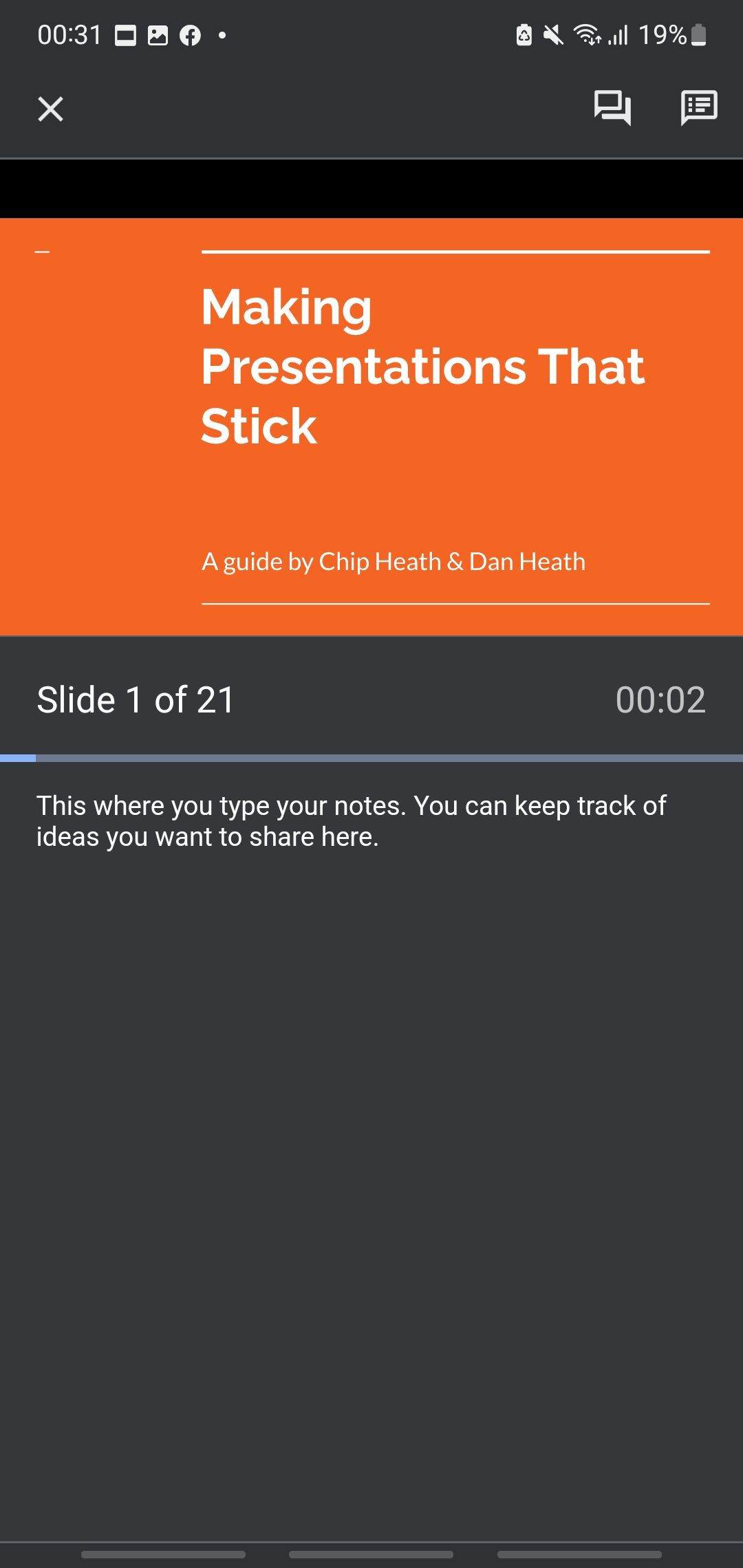
Level Up Your Presentations: A Guide to Interactive Google Slides
Learn how to transform static presentations into engaging experiences using Google Slides interactive features, making your audience an active part of your message.
Hey there, presentation pros (and those of us just trying to survive them!) Ever feel like you're talkingatyour audience instead ofwiththem? Like you're broadcasting on Channel Boring, and everyone's just mentally planning their grocery list? We've all been there. Static presentations – bullet points marching across the screen like digital ants – are a surefire way to lose your audience faster than you can say "next slide, please."
The truth is, the world has moved on. People crave interaction. They want to participate, contribute, and feel like they're part of something bigger than just passively absorbing information. Think about it: even scrolling through social media involves liking, commenting, and sharing. Why should your presentations be any different?
The good news is, you don't need fancy, expensive software or a degree in graphic design to create engaging, interactive presentations. Google Slides, that trusty tool you probably already use, has a surprising number of features hiding beneath the surface, just waiting to be unleashed.
We're talking about turning those monotonous monologues into dynamic dialogues, making your audience feel like they're actively involved in the presentation, not just spectators. Imagine polling your audience in real-time, embedding videos that spark discussion, or creating clickable navigation that lets them explore the topics that interest them most.
With the right techniques, Google Slides can be your secret weapon for captivating your audience and delivering presentations that truly resonate. Think of it as upgrading from a dusty old chalkboard to a sleek, interactive whiteboard.
So, ditch the snooze-fest and get ready to transform your Google Slides presentations into interactive masterpieces. We’re about to dive deep into the world of interactive features, revealing the tips and tricks that will make your presentations the talk of the town (or at least, the talk of the meeting!). Ready to ditch the boredom and embrace the engagement? Let's get started, and by the end, you'll wonder why you ever settled for static slides in the first place. Are you ready to unlock the full potential of Google Slides and create presentations that truly captivate your audience?
Unlocking the Power: How to Use Google Slides for Interactive Presentations
Let's face it: most of us have sat through presentations that felt longer than a Tolkien novel. The presenter drones on, the slides are packed with text, and your mind starts wandering to what you're having for dinner. But presentations don't have to be a form of torture! By incorporating interactive elements, you can grab your audience's attention, keep them engaged, and make your message stick.
So, what exactly makes a presentation "interactive"? It's all about involving your audience in the experience. Instead of simply presenting information, you're creating opportunities for them to participate, provide feedback, and explore the topic in a more dynamic way. This could involve anything from polls and quizzes to clickable navigation and embedded videos. The key is to make your audience feel like they're part of the presentation, not just passive observers.
Make Your Presentation Interactive With Links
Hyperlinking is the unsung hero of interactive Google Slides. It's the foundation upon which many other interactive elements are built. Think of it as creating a network of interconnected ideas, allowing your audience to navigate the presentation in a non-linear way.
Linking to specific slides: This is perfect for creating a "choose your own adventure" style presentation. Imagine you're presenting about different marketing strategies. You could have a slide with buttons labeled "Social Media Marketing," "Email Marketing," and "Content Marketing." Clicking each button takes the audience directly to the relevant section. This allows them to focus on the areas that interest them most, making the presentation more personalized and engaging.
To do this, simply select the text or object you want to make clickable, then go to Insert > Link. In the "Slides in this presentation" section, choose the slide you want to link to. Boom! You've just created a navigational shortcut.
Linking to external websites: Want to provide your audience with additional resources or references? Hyperlink text or images to relevant websites. This is especially useful for citing sources, providing examples, or directing your audience to further reading.
The process is the same as linking to a slide, except instead of choosing a slide in the presentation, you'll paste the URL of the website you want to link to. Just be sure to double-check the link to ensure it's working correctly!
Linking to other documents: Let's say your presentation is a summary of a larger report. You can link to the full report using Google Drive. This allows your audience to dive deeper into the data if they're interested. This also works with Google Sheets if you have a great data set to present.
Again, use Insert > Linkand paste the link to the document from your Google Drive.
Using Polls and Quizzes to Engage Your Audience
Polls and quizzes are fantastic ways to gauge your audience's understanding, spark discussion, and inject some fun into your presentations. They provide immediate feedback, allowing you to adjust your presentation on the fly and address any misconceptions.
Google Forms Integration: Google Forms seamlessly integrates with Google Slides, making it easy to create and embed polls and quizzes. Simply create your form in Google Forms, then embed it into your slide using Insert > Chart > From Sheets.
Think about crafting questions that are relevant to your presentation's topic and designed to elicit thoughtful responses. For example, if you're presenting about customer service, you could ask your audience: "What's the most important factor in providing excellent customer service?" Then, present the results in real-time, sparking a discussion about the different perspectives.
Live Polling: Using third-party tools like Mentimeter or Poll Everywhere, you can conduct live polls during your presentation. These tools allow your audience to vote using their smartphones or computers, and the results are displayed in real-time on your slides.
This can be a powerful way to gather immediate feedback and get everyone actively involved in the presentation. Imagine asking your audience to vote on their favorite product feature or to rank the importance of different project priorities. The real-time results can generate lively discussion and provide valuable insights.
Embedding Videos and GIFs
A picture is worth a thousand words, and a video is worth even more! Embedding videos and GIFs can add visual interest, illustrate complex concepts, and break up the monotony of text-heavy slides.
Embedding You Tube Videos: Google Slides makes it incredibly easy to embed videos from You Tube. Simply go to Insert > Videoand search for the video you want to include. You can also paste the You Tube URL directly.
When choosing videos, look for ones that are relevant to your topic, visually engaging, and relatively short. A long, rambling video can quickly lose your audience's attention. Consider using short clips to illustrate specific points or to provide a change of pace.
Using GIFs to Add Humor: GIFs are a great way to inject some humor and personality into your presentations. Search for GIFs that are relevant to your topic or that simply add a touch of levity.
Just be careful not to overdo it! Too many GIFs can be distracting and detract from your message. Use them sparingly and strategically to enhance your presentation, not to overshadow it.
Interactive Question and Answer Sessions
Ending your presentation with a Q&A session is a standard practice, but you can make it more engaging and interactive by using online tools. These tools can help you collect questions from your audience anonymously, allowing them to ask questions they might otherwise be hesitant to voice in person.
Using Third-Party Q&A Tools: Tools like Slido or Pigeonhole Live allow your audience to submit questions through their smartphones or computers. You can then moderate the questions, prioritize the most popular ones, and answer them live on your slides.
This can be a particularly useful way to manage large audiences or to create a more inclusive environment where everyone feels comfortable asking questions. It also allows you to address the most pressing concerns and ensure that you're providing your audience with the information they need.
Putting It All Together: Designing an Interactive Presentation
Now that we've explored some of the key interactive features in Google Slides, let's talk about how to put them all together to create a truly engaging presentation. Remember, the goal is to make your audience feel like they're actively involved in the experience, not just passive observers.
Start with a Clear Objective: Before you even open Google Slides, take some time to define the objective of your presentation. What do you want your audience to learn? What action do you want them to take?
Having a clear objective will help you focus your content and choose the right interactive elements to support your message. Avoid the temptation to cram in every interactive feature you can find. Instead, focus on the ones that will best help you achieve your objective.
Plan Your Interactive Elements: Once you have a clear objective, start planning where you'll incorporate interactive elements into your presentation. Think about how you can use polls, quizzes, videos, and clickable navigation to keep your audience engaged and reinforce your message.
Consider creating a storyboard or outline that maps out the flow of your presentation and identifies the key moments where you'll incorporate interactive elements. This will help you ensure that your presentation is well-paced and that the interactive elements are seamlessly integrated into the overall narrative.
Keep It Simple: While interactive elements can be incredibly powerful, it's important to keep things simple. Avoid overwhelming your audience with too many options or complicated instructions.
Choose interactive elements that are easy to use and that complement your message. The goal is to enhance the presentation, not to distract from it.
Practice, Practice, Practice: Before you deliver your presentation, be sure to practice it thoroughly. This will give you a chance to familiarize yourself with the interactive elements and to work out any kinks.
Practice using the polls, quizzes, videos, and clickable navigation so that you can seamlessly integrate them into your presentation. The more comfortable you are with the technology, the more confident and engaging you'll be.
Google Slides: Advanced Tips and Tricks
Beyond the basics, Google Slides has even more tricks up its sleeve to enhance interactivity. Let's dive into some advanced techniques that can really set your presentations apart.
Custom Themes and Templates
While Google Slides offers a range of pre-designed themes, creating your own custom theme can give your presentation a unique and professional look.
Master Slides: The "Master Slide" feature is your best friend here. Access it via View > Master. Changes you make to the master slide will apply to all slides based on that layout, ensuring consistency throughout your presentation. This includes fonts, colors, and even placeholder boxes.
Think about your brand identity when designing your master slide. Use your company's colors, fonts, and logo to create a cohesive and recognizable presentation.
Creating Custom Layouts: Within the Master view, you can also create custom layouts. This is useful for designing slides with specific interactive elements in mind, such as a layout specifically for a poll or quiz.
For example, you might create a layout with a large image placeholder on one side and a text box for quiz questions on the other. This allows you to quickly and easily create visually appealing and interactive slides.
Animations and Transitions
Strategic use of animations and transitions can add visual flair and guide your audience's attention. However, moderation is key. Overdoing it can be distracting and make your presentation look unprofessional.
Subtle Animations: Focus on subtle animations that enhance your message, rather than detract from it. For example, you could use a "Fade In" animation to gradually reveal bullet points or a "Fly In From Left" animation to introduce a new section.
These subtle animations can help to draw your audience's eye to the most important information and create a more dynamic presentation.
Strategic Transitions: Use transitions sparingly to signal a change in topic or to create a sense of flow between slides. A simple "Fade" or "Slide" transition is often the most effective choice.
Avoid using overly flashy or distracting transitions, as these can take away from your message.
Collaboration Features
Google Slides' collaborative features are a game-changer for team presentations. Multiple people can work on the same presentation simultaneously, making it easy to share ideas, provide feedback, and ensure that everyone is on the same page.
Real-Time Collaboration: Google Slides allows multiple people to edit the same presentation in real-time. This is incredibly useful for brainstorming, developing content, and ensuring that everyone is aligned.
You can see who is currently working on the presentation and what changes they are making. This makes it easy to coordinate your efforts and avoid conflicts.
Comments and Suggestions: Use the commenting feature to provide feedback on specific slides or sections. You can tag other collaborators in your comments to draw their attention to specific issues.
The commenting feature is also a great way to track changes and ensure that everyone is aware of the latest updates.
How to Use Google Slides for Interactive Presentations: Conclusion
So, there you have it – a comprehensive guide to transforming your Google Slides presentations from static snoozefests into engaging, interactive experiences. We've covered everything from the basics of hyperlinking and embedding videos to more advanced techniques like custom themes and real-time collaboration.
The key takeaway is that interactive presentations are all about involving your audience and making them feel like they're part of the conversation. By incorporating polls, quizzes, videos, and other interactive elements, you can capture their attention, keep them engaged, and make your message stick.
But knowledge is only half the battle. The real magic happens when you put these techniques into practice and start experimenting with different interactive elements. Don't be afraid to try new things and see what works best for you and your audience.
Now it's your turn! Take what you've learned today and apply it to your next presentation. Start small, experiment with a few interactive elements, and gradually build up your skills. With a little practice, you'll be creating captivating presentations that leave a lasting impression.
Your challenge: for your next presentation, integrate at least one interactive element we discussed today. It could be a simple poll using Google Forms, an embedded You Tube video, or even just a few well-placed hyperlinks. The goal is to get started and see the difference it makes.
Remember, the best presentations are not just informative, they're also engaging and memorable. By embracing interactive elements, you can elevate your presentations to a whole new level and connect with your audience in a more meaningful way. So go forth, create, and captivate! What's the most creative way you plan to make your next Google Slides presentation interactive?

Post a Comment for "How to Use Google Slides for Interactive Presentations"
Post a Comment