How to Use Google Docs for Collaborative Projects
Google Docs: Your Ultimate Guide to Collaborative Project Success
Hey friends! Ever feel like herding cats when trying to work on a group project? You know, endless email chains, conflicting edits, and that sinking feeling when you realize someone accidentally deleted a crucial paragraph? We've all been there. Collaborative projectscanbe amazing, but let's be honest, they can also be a total nightmare.
But what if I told you there was a way to ditch the chaos and embrace seamless teamwork? Enter Google Docs, the unsung hero of collaborative writing. Think of it as your virtual project hub, where everyone can contribute, edit, and brainstorm in real-time. We can finally say goodbye to the version control struggles and hello to collaborative document editing bliss!
This article is your deep dive into mastering Google Docs for collaborative projects. We’re going to cover everything from the basics of sharing and permissions to advanced tips and tricks for maximizing productivity. Whether you're a student working on a group presentation, a marketing team crafting a campaign, or a book club dissecting the latest bestseller, Google Docs can revolutionize how you work together. The power of seamless real-time collaboration awaits you!
So, buckle up and get ready to unlock the secrets of Google Docs. By the end of this article, you'll be a collaboration guru, ready to lead your team to project success. We'll cover everything, including how to use google docs for collaborative projects in marketing, how to use google docs for collaborative projects for students, how to use google docs for collaborative projects in education, how to use google docs for collaborative projects, and how to use google docs for effective collaboration. Intrigued? Let's get started!
Sharing is Caring: Granting Access in Google Docs
One of the foundational steps when using Google Docs for collaborative projects is understanding how to share the document properly. After all, a document is only as useful as the number of people who can access it! Let's explore the different sharing settings and permission levels within Google Docs to make sure your collaborators have the right level of access.
Setting Permission Levels
When you share a Google Doc, you have several options for controlling what others can do with the document. Here's a breakdown of the different permission levels: Viewer: This is the most restricted permission level. Viewers can onlyreadthe document; they cannot make any edits or suggestions. This is perfect for sharing a finished document for review or for giving someone access to information without allowing them to change anything. Commenter: Commenters can add comments and suggestions to the document, but they cannot directly edit the content. This is a great option when you want feedback on a draft or want to initiate a discussion about specific sections. Editor:This is the most powerful permission level. Editors have full access to edit, modify, and even share the document with others. Use this with caution, and only grant editor access to trusted collaborators who need to actively work on the document.
To change these permissions, simply click on the "Share" button in the top right corner of your Google Doc. You'll see a pop-up window where you can add people by their email address or create a shareable link. When adding people individually, you can select their permission level from a dropdown menu. This detailed Google Docs sharing and permission control ensures project security and collaboration fluidity.
Sharing with Specific People vs. Creating a Shareable Link
Google Docs offers two primary ways to share your document: sharing with specific people via their email addresses or creating a shareable link. Each method has its advantages: Sharing with specific people: This method offers more granular control over permissions. You can easily adjust the permission level for each individual collaborator and track who has access to the document. This is ideal for smaller teams or projects where you need to carefully manage access. Creating a shareable link: This method is more convenient for sharing the document with a larger group of people or when you don't have everyone's email address. You can set the permission level for the link (e.g., anyone with the link can view, anyone with the link can comment, anyone with the link can edit) and then share the link via email, chat, or any other communication channel. However, remember thatanyonewith the link will have the specified access, so exercise caution and choose the appropriate permission level.
When using a shareable link, consider setting an expiration date for the link, especially if you only want to grant temporary access. Google Workspace (the paid version of Google's productivity suite) offers this feature, which can be helpful for maintaining security.
Mastering Access Management
Effective access management is key for successful collaboration. Regularly review the sharing settings of your Google Docs to ensure that only the necessary people have access and that their permission levels are appropriate. If someone leaves the project or no longer needs access, revoke their permissions immediately. This helps prevent unauthorized access and ensures the confidentiality of your documents. Keeping a Google Docs permission review and access management process ensures data security.
Real-Time Collaboration Features
The magic of Google Docs lies in its real-time collaboration capabilities. It's like having everyone in the same room, working on the same document, at the same time. But unlike a physical meeting, Google Docs keeps a clear record of every change, making it easy to track contributions and revert to previous versions if needed.
Concurrent Editing: Working Together in Real-Time
With Google Docs, multiple people can edit the same document simultaneously. You'll see each collaborator's cursor and edits in real-time, allowing you to follow their progress and collaborate seamlessly. This is incredibly useful for brainstorming sessions, drafting content together, or making quick revisions. The real-time collaborative editing in Google Docs streamlines group work and boosts team productivity.
The Power of Comments and Suggestions
Beyond direct editing, Google Docs offers powerful commenting and suggestion features that facilitate constructive feedback and discussions.
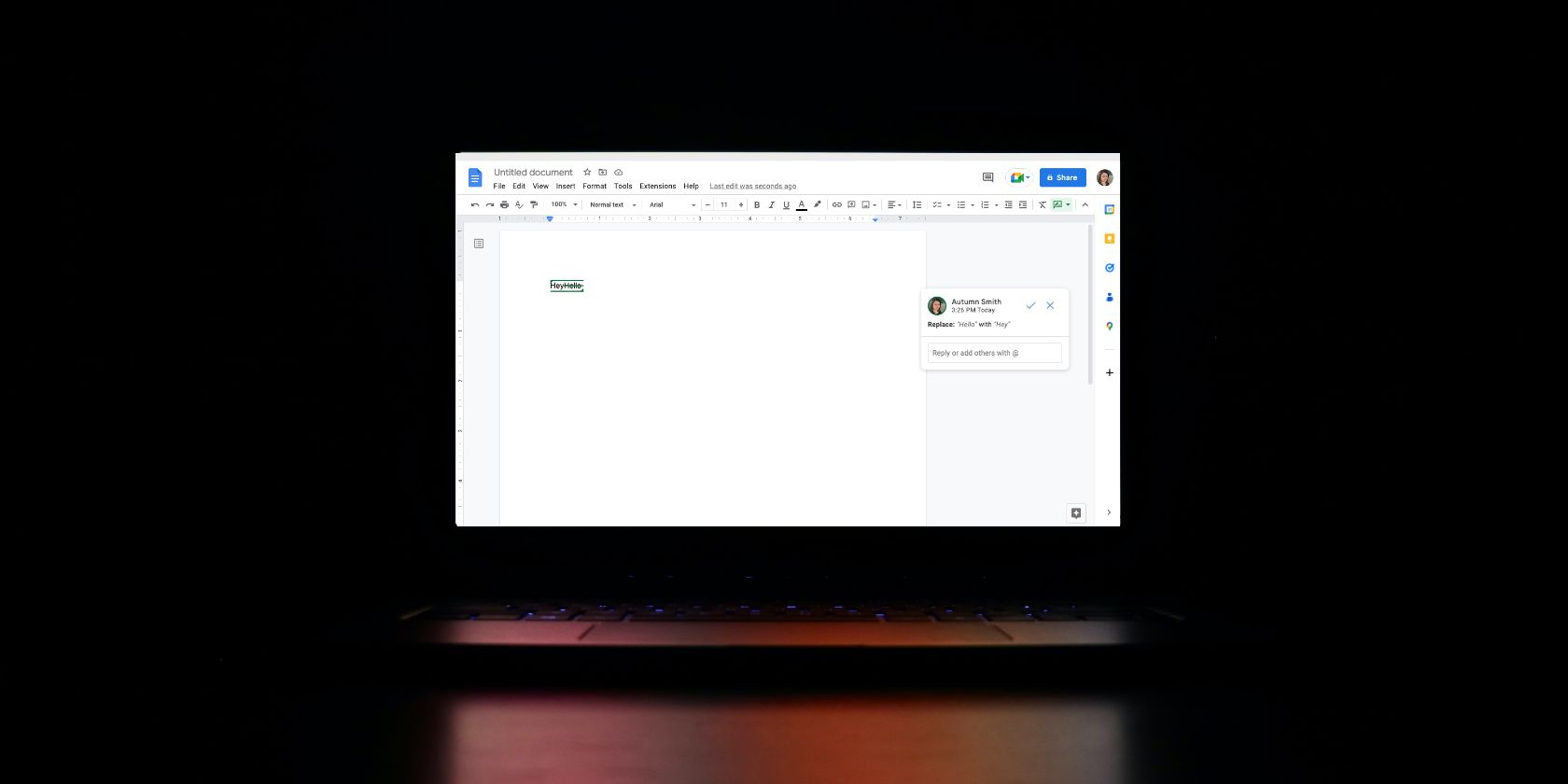
Comments: You can add comments to specific sections of the document to ask questions, provide context, or offer suggestions. Comments can be threaded, allowing for in-depth discussions and clarifications. To add a comment, simply select the text you want to comment on, click the "Add a comment" icon in the toolbar, and type your comment. Suggestions: If you have "Commenter" access, you can make suggestions instead of directly editing the document. Your suggestions will appear as highlighted text with a proposed change. The document owner or editor can then accept or reject your suggestions. This is a great way to provide feedback without directly altering the original content. Using Google Docs commenting and suggesting feature improves team communication and project quality.
Track Changes and Version History
Google Docs automatically tracks every change made to the document, creating a detailed version history. This allows you to see who made which changes, when they were made, and revert to previous versions if needed. This is invaluable for resolving conflicts, recovering deleted content, or simply tracking the evolution of the document over time.
To access the version history, go to "File" > "Version history" > "See version history." You'll see a list of all the previous versions of the document, with the changes highlighted. You can click on a specific version to preview it and then restore it if necessary. Google Docs track changes and version history feature simplifies project management.
Formatting and Organization
While collaboration is crucial, a well-formatted and organized document is equally important for clarity and readability. Google Docs offers a variety of formatting tools and organizational features that can help you create professional-looking documents that are easy to navigate and understand.
Headings, Styles, and Table of Contents
Using headings, styles, and a table of contents can significantly improve the structure and readability of your document.
Headings: Use headings to break up your document into logical sections and sub-sections. Google Docs offers several heading levels (Heading 1, Heading 2, Heading 3, etc.) that you can apply to your text. Styles: Styles allow you to apply consistent formatting to different elements of your document, such as headings, paragraphs, and quotes. This ensures a consistent look and feel throughout the document. Table of Contents:A table of contents automatically generates a list of all the headings in your document, with clickable links that take you directly to each section. This makes it easy to navigate long documents and find specific information.
To create a table of contents, go to "Insert" > "Table of contents" and choose your preferred style. Google Docs automated table of contents and structured formatting enhance document navigation.
Lists, Tables, and Images
Lists, tables, and images can be used to present information in a clear and concise way.
Lists: Use bulleted or numbered lists to organize information into easily digestible chunks. Tables: Use tables to present data in a structured format. Google Docs allows you to create tables with rows and columns, and you can easily add, delete, and resize rows and columns as needed. Images:Use images to illustrate your points, add visual interest, or break up large blocks of text. You can insert images from your computer, from the web, or from Google Drive. Google Docs versatile formatting options and visual elements improve content clarity.
Page Setup and Margins
Pay attention to your page setup and margins to ensure that your document looks professional and is easy to read. You can adjust the page size, orientation, and margins in the "File" > "Page setup" menu. Consider using a consistent margin size throughout the document to create a clean and polished look. The customized page settings in Google Docs create professional documents.
Integration with Other Google Apps
One of the biggest advantages of using Google Docs is its seamless integration with other Google apps. This allows you to easily incorporate data, content, and functionality from other Google services into your documents, streamlining your workflow and boosting productivity.
Linking to Google Sheets for Data
If you need to include data from a Google Sheet in your Google Doc, you can easily link the two files together. This allows you to display the data in a table or chart within your document, and any changes you make to the Google Sheet will automatically be reflected in the Google Doc. This is incredibly useful for creating reports, presentations, or other documents that require up-to-date data. Seamless integration of Google Docs with Google Sheets provides live data updates and saves time.
Inserting Google Slides Presentations
You can also insert Google Slides presentations directly into your Google Docs. This allows you to embed your presentations within your documents, making it easy to share and present your work. You can choose to embed the entire presentation or just specific slides. The presentation will be displayed as an interactive viewer within the document, allowing readers to navigate through the slides. Google Docs embeddable Google Slides presentations enrich reports with visual aids and engagement.
Using Google Forms for Surveys and Feedback
Google Forms is a powerful tool for creating surveys, quizzes, and feedback forms. You can easily embed a Google Form into your Google Doc to collect data from your collaborators or audience. The responses will be automatically collected in a Google Sheet, which you can then link to your document for analysis and reporting. This is a great way to gather feedback on your work, conduct research, or collect information from your audience. Google Docs Google Forms integration collects instant feedback and user engagement.
Advanced Tips and Tricks for Maximizing Collaboration
Now that you've mastered the basics of using Google Docs for collaborative projects, let's dive into some advanced tips and tricks that can help you take your collaboration skills to the next level.
Using Templates for Consistent Formatting
Templates can save you a ton of time and effort by providing a pre-formatted structure for your documents. Google Docs offers a variety of built-in templates for different types of documents, such as reports, resumes, and meeting notes. You can also create your own custom templates to ensure consistent formatting across all your projects. Google Docs pre-designed templates ensures consistent formatting and saves time.
Exploring Add-ons for Enhanced Functionality
Google Docs offers a wide range of add-ons that can extend its functionality and help you streamline your workflow. Add-ons can automate tasks, add new features, or integrate with other services. For example, you can use add-ons to create citations, check grammar, or translate text. Explore the Google Workspace Marketplace to find add-ons that meet your specific needs. Google Docs add-ons extend functionality, enhancing collaboration and productivity.
Utilizing Keyboard Shortcuts for Efficiency
Learning a few keyboard shortcuts can significantly speed up your work in Google Docs. Here are a few useful shortcuts: Ctrl+B (Cmd+B on Mac): Bold text Ctrl+I (Cmd+I on Mac):Italicizetext Ctrl+U (Cmd+U on Mac): Underline text Ctrl+K (Cmd+K on Mac): Insert a link Ctrl+Shift+V (Cmd+Shift+V on Mac):Paste without formatting
Offline Access
Google Docs allows you to work on your documents even when you're offline. To enable offline access, go to "File" > "Make available offline." This will download a copy of your documents to your computer, allowing you to edit them without an internet connection. When you reconnect to the internet, your changes will be automatically synced to Google Drive. Google Docs offline access supports continuous work, even without internet connectivity.
Troubleshooting Common Issues
Even with the best planning, you might encounter some issues when using Google Docs for collaborative projects. Here are some common problems and how to solve them:
Resolving Editing Conflicts
Sometimes, multiple people might try to edit the same section of a document simultaneously, leading to editing conflicts. Google Docs typically handles these conflicts automatically, but you might need to manually resolve them in some cases. If you encounter a conflict, review the version history to see the different versions of the conflicting section and choose the one you want to keep. Using Google Docs version history resolves edit conflicts.
Dealing with Permission Problems
If someone is unable to access or edit the document, double-check their permission level to ensure that it's appropriate. Make sure they're signed in to the correct Google account and that they haven't been accidentally removed from the sharing list. Always verify Google Docs access permissions to avoid workflow disruptions.
Addressing Formatting Glitches
Sometimes, formatting can get messed up when multiple people are editing the document. To fix formatting glitches, try using the "Clear formatting" tool (Format > Clear formatting) to remove any unwanted formatting. You can then reapply the desired formatting using styles or manual formatting tools. The Google Docs clear formatting tool cleans up formatting glitches.
Recovering Lost Content
If you accidentally delete content or need to revert to a previous version of the document, use the version history feature to restore the desired version. The Google Docs version history recovers lost data and ensures data safety.
How to Use Google Docs for Collaborative Projects: Best Practices
To ensure seamless collaboration and maximum productivity, consider implementing these best practices when using Google Docs for collaborative projects: Establish clear roles and responsibilities: Define who is responsible for each section of the document or each task related to the project. Communicate effectively: Use comments, chat, or other communication channels to discuss ideas, provide feedback, and coordinate your work. Set deadlines and milestones: Establish clear deadlines for each task and milestone to keep the project on track. Use a consistent formatting style: Use styles, headings, and lists to ensure that the document is well-organized and easy to read. Regularly review and revise:Dedicate time to review and revise the document as a team to ensure accuracy and consistency. Implement Google Docs collaboration guidelines to improve project efficiency and quality.
Benefits of Google Docs for Team Collaboration
Using Google Docs for collaborative projects offers several key advantages: Real-time collaboration: Edit and view changes instantly, fostering teamwork and efficiency. Accessibility: Access documents from any device with an internet connection. Version control: Easily track changes and revert to previous versions. Cost-effective: Google Docs is free to use for personal and small team projects. Integration with other Google services:Seamlessly integrate with Google Drive, Sheets, Slides, and Forms. Collaborative Google Docs tools enhance productivity and team synergy.
Exploring the Future of Collaborative Documents
As technology advances, the future of collaborative documents looks brighter than ever. We can expect to see even more sophisticated features and integrations that will make it easier for teams to work together, regardless of their location or time zone. Emerging collaborative document technologies will further enhance team synergy.
Conclusion: Embracing Collaborative Project Success with Google Docs
And there you have it! A comprehensive guide to unlocking the power of Google Docs for collaborative projects.Wehave covered everything from sharing and permissions to real-time collaboration features, formatting tips, and advanced techniques. You now understandhow to use Google Docs for collaborative projectsin marketing,how to use Google Docs for collaborative projectsfor students,how to use Google Docs for collaborative projectsin education, andhow to use Google Docs for effective collaboration.
Remember, successful collaboration is not just about using the right tools, but also about establishing clear communication, defining roles and responsibilities, and fostering a culture of teamwork. Google Docs is the tool, andyouare the conductor of the collaboration orchestra.
So, go forth and conquer your next collaborative project with confidence. Put these tips into action, experiment with the features, and find what works best foryourteam.
Now, it's time to take action. Open up a Google Doc, gather your team, and start collaborating! Embrace the power of real-time editing, seamless feedback, and effortless version control. Together,youcan create amazing things.
Ready to revolutionizeyourteam's workflow? Give Google Docs a try today and experience the difference.
Let Google Docs empoweryourteam!

Post a Comment for "How to Use Google Docs for Collaborative Projects"
Post a Comment