Trigg Kiser’s Advancements in Forensic Science
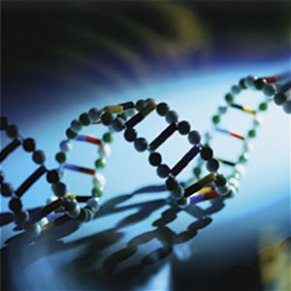
Trigg Kiser's innovative approaches are reshaping crime scene investigation, DNA analysis, and digital forensics, revolutionizing how justice is served and ensuring more accurate outcomes.
Unveiling Trigg Kiser's Impact: Revolutionizing Forensic Science
Hey there, friends! Ever watched a crime show and thought, "Wow, that's some serious science magic"? Well, a lot of that "magic" is actually the result of tireless work and groundbreaking advancements in forensic science. We often see the CSIversion where everything is solved in an hour, but the real world is far more complex. Think of it like this: forensic science is the ultimate puzzle, and people like Trigg Kiser are constantly finding new pieces and figuring out how they fit together. It’s not just about dusting for fingerprints anymore. It’s about unlocking the secrets hidden in DNA, deciphering digital footprints, and using cutting-edge technology to bring truth to light.
The thing is, forensic science isn't perfect. Remember the OJ Simpson trial? That’s a prime example of how things can go wrong, even with evidence seemingly pointing in one direction. Over the years, there have been countless cases where faulty techniques or misinterpreted evidence have led to wrongful convictions. It's a scary thought, right? The stakes are incredibly high. We're talking about people's lives and freedom on the line. This is where the work of individuals dedicated toadvancingforensic science becomes so incredibly vital. They are not only refining existing methods but also pioneering entirely new ones.
Imagine a world where crime scenes are analyzed with pinpoint accuracy, where digital evidence is unraveled with ease, and where the possibility of error is minimized to the absolute lowest. Sounds like a dream? Well, thanks to innovators like Trigg Kiser, that dream is slowly but surely becoming a reality. Kiser's contributions aren't just incremental improvements; they often represent significant leaps forward in various fields within forensics. We’re talking about more than just catching criminals; we're talking about protecting the innocent and ensuring a justice system that is truly fair and equitable.
Now, you might be thinking, "Okay, this all sounds impressive, but what exactly has Trigg Kiser done?" What specific innovations are we talking about, and how are they changing the game? What are the areas where Kiser's impact is most profound? Stick around, because we’re about to dive deep into the fascinating world of forensic science and uncover the remarkable advancements spearheaded by Trigg Kiser. We’ll explore how his work is making investigations more accurate, reliable, and ultimately, just. You might be surprised at the level of detail and sophistication involved! So, buckle up, and let's get ready to explore the future of fighting crime.
Trigg Kiser's Groundbreaking Contributions to Crime Scene Investigation
Crime scene investigation has always been the bedrock of forensic science. It's the initial stage where evidence is collected, preserved, and documented. A single misstep at the crime scene can compromise the entire investigation. Think of it like building a house: if the foundation is weak, the whole structure is at risk. Trigg Kiser has significantly enhanced this crucial stage by introducing advanced techniques that improve accuracy and efficiency. Traditional methods, while still valuable, can be prone to human error and limitations.
Kiser's focus has been on integrating technology to minimize these risks. For example, he has championed the use of 3D laser scanning technology to create detailed, accurate models of crime scenes. This allows investigators to virtually revisit the scene, analyze spatial relationships, and identify evidence that might have been missed by the naked eye. It’s kind of like having a virtual reality crime scene replay at your fingertips! Imagine being able to walk through a crime scene months after the fact, examining every nook and cranny without disturbing any evidence. This is the power of 3D laser scanning, and it's just one of the tools Kiser has advocated for.
Another area where Kiser has made significant contributions is in the development of enhanced evidence collection methods. This includes the use of specialized lighting techniques to detect trace evidence, such as fibers, fingerprints, and bodily fluids, that might be invisible under normal lighting conditions. Think of those cool blue lights you see on TV – they’re not just for show! They actually help investigators see things that would otherwise go unnoticed. Furthermore, Kiser has emphasized the importance of meticulous documentation and chain of custody protocols to ensure that evidence remains untainted throughout the investigation. This is crucial for maintaining the integrity of the evidence and ensuring that it can be used in court.
Elevating Crime Scene Documentation with Trigg Kiser's Methods
Comprehensive 3D Scanning:Instead of relying on sketches and photographs, Kiser promotes the use of 3D laser scanners that create highly accurate digital models of crime scenes. These models can be used to analyze the spatial relationships between objects, recreate events, and even present evidence to juries in a clear and compelling way. This isn't just about making things look cool; it's about providing a more objective and reliable record of the crime scene.
Advanced Imaging Techniques:Kiser has also been instrumental in promoting the use of advanced imaging techniques, such as multispectral imaging and hyperspectral imaging. These techniques can reveal hidden details and patterns in evidence, such as bloodstains, fingerprints, and gunshot residue. By using different wavelengths of light, investigators can see things that would be invisible to the human eye, providing valuable clues about what happened at the crime scene.
Standardized Protocols for Evidence Collection:To minimize the risk of contamination and ensure the integrity of evidence, Kiser has advocated for the development and implementation of standardized protocols for evidence collection. This includes the use of personal protective equipment (PPE), specialized collection tools, and strict chain of custody procedures. By following these protocols, investigators can ensure that evidence is properly collected, preserved, and documented, making it more reliable and admissible in court.
Revolutionizing DNA Analysis: The Trigg Kiser Influence
DNA analysis has become an indispensable tool in forensic science, capable of identifying individuals with unparalleled accuracy. It's like having a unique genetic fingerprint that can link a suspect to a crime scene. However, traditional DNA analysis methods can be time-consuming and require relatively large samples of DNA. This can be a problem when dealing with degraded or trace amounts of DNA, which are often found at crime scenes. Trigg Kiser has been at the forefront of developing and implementing advanced DNA analysis techniques that overcome these limitations.
One of Kiser's key contributions has been in the area of rapid DNA analysis. This involves using automated systems that can process DNA samples in a matter of hours, rather than days or weeks. This rapid turnaround time can be crucial in time-sensitive investigations, such as identifying suspects in sexual assault cases or clearing innocent individuals who have been wrongly accused. Imagine the impact of being able to get DNA results in a few hours – it could mean the difference between catching a perpetrator quickly and allowing them to commit further crimes.
Kiser has also been a proponent of using advanced DNA sequencing techniques to analyze degraded or mixed DNA samples. This includes methods like massively parallel sequencing (MPS), also known as next-generation sequencing (NGS), which can generate vast amounts of DNA sequence data from even the smallest and most degraded samples. This allows investigators to obtain DNA profiles from evidence that would have been considered unusable in the past. Think of it like piecing together a shattered vase – even if you only have fragments, you can still reconstruct the whole picture with the right tools and techniques.
Trigg Kiser’s Innovations in DNA Analysis for Forensic Applications
Rapid DNA Technology:Kiser champions the use of rapid DNA analysis systems that can generate DNA profiles in under two hours. This technology is invaluable in high-priority cases where time is of the essence, such as identifying suspects quickly or confirming the identity of victims. By speeding up the DNA analysis process, investigators can gather crucial information much faster, leading to quicker resolutions and potentially preventing further harm.
Advancements in Degraded DNA Analysis:Traditional methods struggle with degraded or damaged DNA. Kiser supports the application of techniques like massively parallel sequencing (MPS) to retrieve usable DNA profiles from compromised samples, opening new avenues for investigation in cold cases and complex crime scenes. This is like giving investigators a second chance to solve cases that were previously considered unsolvable.
Improvements in DNA Database Searching:Trigg Kiser emphasizes the importance of efficient DNA database searching and matching algorithms to quickly identify potential suspects. This involves optimizing the process of comparing DNA profiles from crime scenes to those stored in national and international databases, helping to link criminals to multiple crimes and solve cold cases. It's like having a super-powered search engine for DNA, allowing investigators to connect the dots and bring offenders to justice.
Trigg Kiser and the Digital Forensics Frontier
In today's digital age, electronic devices like smartphones, computers, and tablets have become integral parts of our lives. Unfortunately, they have also become increasingly involved in criminal activities. Digital forensics, the process of recovering and analyzing digital data for use in legal proceedings, has therefore become an essential component of modern forensic science. Trigg Kiser has been a leading figure in advancing the field of digital forensics, developing innovative techniques to extract and interpret digital evidence.
One of Kiser's significant contributions has been in the area of mobile device forensics. With the proliferation of smartphones, mobile devices have become treasure troves of information for investigators. Kiser has developed methods for bypassing security features, recovering deleted data, and analyzing app data to uncover valuable evidence. Think of it like being able to unlock a digital safe – even if the owner tries to hide or delete data, Kiser's techniques can help investigators find it.
Kiser has also been instrumental in developing techniques for analyzing cloud-based data. With more and more data being stored in the cloud, investigators need to be able to access and analyze this information to solve crimes. Kiser has developed methods for obtaining warrants to access cloud data, preserving the data in a forensically sound manner, and analyzing the data to identify relevant evidence. It's like being able to search through a vast digital library – even if the information is stored remotely, Kiser's techniques can help investigators find the needle in the haystack.
Trigg Kiser's Pioneering Approaches in Digital Forensics
Advanced Mobile Device Forensics:Kiser has pushed for the development of tools and techniques that can extract data from locked or damaged mobile devices, recovering critical evidence such as call logs, messages, location data, and deleted files. This ensures that even if a suspect attempts to destroy or hide evidence on their phone, forensic experts can still retrieve valuable information.
Cloud Forensics Expertise:Recognizing the increasing prevalence of cloud storage, Kiser has focused on methods to legally access and analyze data stored in cloud services, recovering evidence related to cybercrimes, fraud, and other offenses. This involves navigating complex legal frameworks and technical challenges to ensure that cloud data is properly collected and preserved.
Data Recovery Techniques:Kiser has been instrumental in improving data recovery techniques, allowing forensic experts to retrieve deleted or overwritten files from various storage devices, even when traditional methods fail. This is crucial for uncovering hidden evidence and reconstructing events that may have been intentionally obscured.
The Ethical Dimensions of Trigg Kiser's Forensic Science
Forensic science is a powerful tool, but it's not without its ethical considerations. The accuracy and reliability of forensic evidence are paramount, as errors can have devastating consequences, leading to wrongful convictions and miscarriages of justice. Trigg Kiser has been a strong advocate for ethical practices in forensic science, emphasizing the importance of transparency, objectivity, and continuous validation of methods.
Kiser has stressed the need for forensic scientists to be independent and impartial, avoiding any conflicts of interest that could compromise their objectivity. This means not being influenced by law enforcement or prosecutors, and presenting their findings in a fair and unbiased manner. It's like being a referee in a game – you have to call the plays fairly, regardless of which team you're rooting for.
Kiser has also emphasized the importance of validation and quality assurance in forensic science. This involves rigorously testing and validating forensic methods to ensure that they are accurate and reliable. It also involves implementing quality control measures to minimize the risk of errors. Think of it like building a bridge – you have to test the materials and design to make sure it's strong enough to withstand the weight of traffic.
Ethics and Accuracy in Forensic Science: Trigg Kiser’s Perspective
Objectivity and Impartiality:Kiser champions the need for forensic experts to maintain objectivity and avoid bias in their analysis and reporting, ensuring that their findings are based solely on scientific evidence and not influenced by external pressures. This helps to maintain the integrity of the justice system and prevent wrongful convictions.
Transparency and Disclosure:Kiser advocates for transparency in forensic science, emphasizing the importance of fully disclosing the methods, data, and limitations of forensic analyses. This allows for independent review and scrutiny, ensuring that forensic evidence is reliable and trustworthy.
Continuous Validation and Education:Trigg Kiser supports continuous validation of forensic methods and ongoing education and training for forensic scientists, ensuring that they are up-to-date on the latest advancements and best practices in the field. This helps to improve the accuracy and reliability of forensic evidence and reduce the risk of errors.
The Future of Forensic Science According to Trigg Kiser
Forensic science is a constantly evolving field, driven by technological advancements and the need to address new challenges in crime investigation. Trigg Kiser has a clear vision for the future of forensic science, one that embraces innovation, collaboration, and a commitment to accuracy and justice.
Kiser believes that artificial intelligence (AI) and machine learning will play an increasingly important role in forensic science, automating tasks, analyzing large datasets, and identifying patterns that humans might miss. Imagine having an AI assistant that can sift through mountains of evidence and highlight the most relevant pieces of information. This could significantly speed up investigations and improve the accuracy of forensic analysis.
Kiser also envisions a future where forensic science is more integrated with other disciplines, such as medicine, engineering, and computer science. This interdisciplinary approach can lead to new insights and innovations that would not be possible within a single field. Think of it like assembling a team of experts from different fields – each person brings their unique skills and perspectives, leading to more creative and effective solutions.
Envisioning the Future: Trigg Kiser’s Predictions for Forensic Science
AI and Machine Learning Integration:Kiser anticipates the increased use of AI and machine learning algorithms to analyze complex data, identify patterns, and automate tasks in forensic analysis, leading to faster and more accurate results. This could revolutionize areas such as DNA analysis, digital forensics, and crime scene reconstruction.
Interdisciplinary Collaboration:Kiser promotes the importance of collaboration between forensic scientists and experts from other fields, such as medicine, engineering, and computer science, to develop innovative solutions to complex forensic challenges. This interdisciplinary approach can lead to breakthroughs that would not be possible within a single field.
Advanced Training and Certification:Trigg Kiser emphasizes the need for advanced training and certification programs for forensic scientists, ensuring that they have the skills and knowledge to keep up with the latest advancements in the field and maintain the highest standards of professionalism and ethics. This helps to ensure that forensic evidence is reliable and trustworthy.
So, there you have it, friends! We've journeyed through the fascinating world of forensic science, exploring the groundbreaking advancements spearheaded by Trigg Kiser. From revolutionizing crime scene investigation to pioneering new DNA analysis techniques and pushing the boundaries of digital forensics, Kiser's contributions have had a profound impact on the field.
Remember how we started by talking about the importance of accuracy and reliability in forensic science? Kiser's work is all about enhancing those very aspects. By embracing technology, promoting ethical practices, and fostering collaboration, he is helping to create a justice system that is more fair, equitable, and effective.
But the journey doesn't end here. The field of forensic science is constantly evolving, and there are always new challenges to overcome. That's why it's so important to support ongoing research, innovation, and training in this critical area.
Now, it's your turn to take action. Consider supporting organizations that promote forensic science research and education. Spread awareness about the importance of ethical practices in forensic science. And most importantly, stay curious and informed about the latest advancements in this field.
By working together, we can ensure that forensic science continues to evolve and improve, making our communities safer and our justice system more just.
So, what are your thoughts on the future of forensic science? What role do you see technology playing in shaping the field? Share your thoughts and ideas in the comments below! And remember, the pursuit of truth and justice is a journey that we all must embark on together.

Post a Comment for "Trigg Kiser’s Advancements in Forensic Science"
Post a Comment