Frozen Four: The Road to the Championship
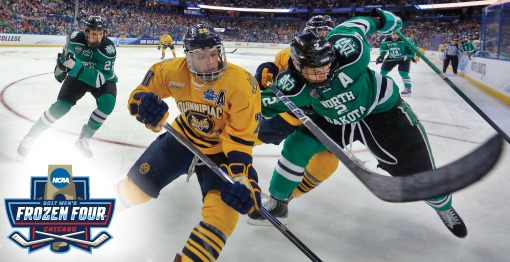
Frozen Four: Chasing College Hockey Glory
The Frozen Four: The Road to the Championship is a grueling, exhilarating journey that culminates in crowning the best college hockey team in the nation.
Hey there, hockey fans! Ever find yourself glued to the TV in late March, early April, watching young athletes battle it out on the ice, dreaming of hoisting that coveted trophy? Yeah, me too! We're talking about the Frozen Four, folks – the absolute pinnacle of college hockey. It’s where dreams are realized, upsets happen, and legends are born. It's more than just a tournament; it’s a testament to dedication, teamwork, and maybe a little bit of luck.
Think of it like this: you're starting a new video game. You grind through the regular season, leveling up your skills, learning the map (your opponents), and building your ultimate team. The conference tournaments are like the mini-bosses – challenging, but not the final boss. The NCAA tournament? That's where things get real. Each game is a boss fight, and the Frozen Four is the ultimate showdown.
But whatexactlyis the Frozen Four? It's the final stage of the NCAA Division I Men's Ice Hockey Tournament. Sixteen teams battle it out in regional brackets, with the four victors advancing to the Frozen Four, a single-elimination tournament to determine the national champion. It's a pressure cooker, a high-stakes game of inches, and a showcase of incredible talent.
The road to get there? Oh, it's paved with blood, sweat, and maybe a few (legal!) body checks. Players endure countless hours of practice, intense training regimens, and the mental fortitude to handle the pressure of performing at the highest level. Coaches strategize, analyze, and motivate their teams, hoping to find that winning edge.
And let’s be honest, the fans? We're a vital part of the equation. We fill the arenas, cheer our hearts out, and provide the energy that fuels these incredible athletes. We live and breathe every goal, every save, every penalty kill. We’re the sixth man, the extra player on the ice, pushing our teams towards victory.
But have you ever stopped to think abouteverythingthat goes into making it to the Frozen Four? It's not just about having talented players. It's about recruiting the right players, developing a winning culture, overcoming adversity, and, of course, having a little bit of puck luck along the way.
So, what are the key ingredients for a Frozen Four contender? What are the strategies coaches employ? What are the untold stories behind the players who lace up their skates each night? And what can we, as fans, expect from this year's tournament? Stick around, friends, because we're diving deep into Frozen Four: The Road to the Championship! We'll explore everything from the selection process to the on-ice battles, uncovering the secrets to success and the moments that define this iconic event. Get ready to lace up your own skates and join us on this exhilarating journey!
Understanding the NCAA Hockey Tournament
The NCAA Men's Ice Hockey Tournament is the annual culmination of the college hockey season, a single-elimination tournament featuring 16 teams vying for the national championship. Securing a spot in this tournament is the first major hurdle on Frozen Four:The Road to the Championship. Teams qualify either by winning their respective conference tournament (automatic qualifiers) or by receiving an at-large bid based on their regular-season performance. This at-large selection is determined by the NCAA Division I Men's Ice Hockey Committee, which considers factors such as Pair Wise Rankings (PWR), record against common opponents, and overall strength of schedule.
The Pair Wise Rankings are a crucial element in the selection process. PWR attempts to mimic the process used by the NCAA Committee to determine selections and seedings for the tournament. While not theonlyfactor considered, it provides a relatively transparent metric for evaluating a team's overall performance. Teams constantly monitor their PWR throughout the season, knowing that it significantly impacts their chances of receiving an at-large bid.
Beyond the rankings, conference strength also plays a role. Playing in a highly competitive conference like the Big Ten, Hockey East, or NCHC can boost a team's resume, as wins against quality opponents carry more weight. Conversely, playing in a weaker conference may require a team to dominate its competition to earn consideration. The tournament selection process often sparks debate and controversy, with teams on the bubble anxiously awaiting their fate on Selection Sunday.
Once the 16 teams are selected, they are seeded and placed into four regional brackets. These regional tournaments are typically hosted at neutral sites and feature intense, sudden-death matchups. The winner of each regional advances to the Frozen Four. The regional format adds another layer of excitement and unpredictability to the tournament.
The Importance of Conference Championships
Conference championships are incredibly important for two reasons. First, winning the conference tournament guarantees an automatic bid to the NCAA Tournament, regardless of a team's PWR. This provides a safety net for teams that may have struggled during the regular season or faced tough competition in their conference. Second, winning a conference championship provides momentum and confidence heading into the national tournament.
Teams that enter the NCAA Tournament on a high note are often better positioned for success. The conference tournament serves as a valuable tune-up, allowing teams to fine-tune their strategies and build chemistry. Furthermore, the experience of playing in high-pressure, win-or-go-home games can be invaluable in preparing for the intensity of the NCAA Tournament.
At-Large Bids and Pair Wise Rankings
Securing an at-large bid is a nail-biting experience for many teams. The Pair Wise Rankings are the primary tool used by the NCAA Committee to evaluate teams that did not win their conference tournament. The PWR compares teams based on their record against common opponents, head-to-head results, and strength of schedule. A high PWR significantly increases a team's chances of receiving an at-large bid.
However, it's important to remember that the PWR is not theonlyfactor considered. The committee also takes into account other factors, such as injuries, suspensions, and overall team performance. In some cases, a team with a slightly lower PWR may receive an at-large bid over a team with a higher PWR if the committee believes they are a stronger team overall. The subjectivity of the at-large selection process often leads to heated debates and disappointment for teams that are left out of the tournament.
The Frozen Four: A Breakdown of the Tournament
The Frozen Four is the culmination of the NCAA Division I Men's Ice Hockey Tournament, featuring the four regional champions battling it out in a single-elimination format for the national title. This stage represents the peak of achievement for college hockey programs, and securing a spot here is the ultimate goal for coaches and players alike. The atmosphere is electric, the stakes are incredibly high, and the competition is fierce.
The format of the Frozen Four is straightforward: two semi-final games are played on the first day, followed by the national championship game two days later. The winners of the semi-final games advance to the championship game, where the national champion is crowned. The single-elimination format means that every game is a must-win, and there is no room for error.
The host city for the Frozen Four rotates annually, providing different fan bases with the opportunity to witness the championship games in person. The host arena is typically a large, modern facility that can accommodate a significant crowd. The atmosphere surrounding the Frozen Four is festive and exciting, with pre-game tailgates, fan events, and a general sense of anticipation.
The games themselves are typically fast-paced, physical, and tightly contested. The margin for error is incredibly small, and a single bounce of the puck can often determine the outcome. Coaches and players must be prepared for anything, as unexpected events and dramatic shifts in momentum are common in the Frozen Four.
The Semi-Final Showdowns
The semi-final games of the Frozen Four are often highly anticipated matchups, pitting the four best teams in the nation against each other. These games are typically intense battles, with both teams leaving everything on the ice. The pressure is immense, as a loss means the end of the season and the shattering of championship dreams.
The semi-final matchups are often determined by seeding, with the higher-seeded teams typically facing the lower-seeded teams. However, upsets are not uncommon, and any of the four teams has a legitimate chance to advance to the championship game. The semi-final games are a showcase of skill, strategy, and determination, and they often provide some of the most memorable moments of the tournament.
The National Championship Game
The national championship game is the ultimate prize in college hockey, the culmination of a long and arduous season. This is where legends are made, and where teams cement their place in college hockey history. The atmosphere is electric, the tension is palpable, and the stakes are as high as they can possibly be.
The two teams that reach the championship game have overcome countless obstacles and proven themselves to be the best in the nation. They are typically evenly matched, and the game is often a back-and-forth battle that goes down to the wire. The national championship game is a showcase of skill, strategy, and heart, and it is a fitting conclusion to the college hockey season. The winner earns bragging rights for an entire year and etches their name into the annals of college hockey lore.
Keys to Success: Building a Frozen Four Contender
Building a Frozen Four contender is a multi-faceted endeavor that requires excellence in recruiting, coaching, player development, and team chemistry. It's not enough to simply have talented players; those players must be developed, integrated into a cohesive team, and guided by a knowledgeable and experienced coaching staff. Success on Frozen Four: The Road to the Championshipalso necessitates a strong program culture and a bit of good fortune along the way.
Effective recruiting is the foundation of any successful college hockey program. Coaches must identify and attract talented players who fit their system and embody their team values. This requires a keen eye for talent, strong relationships with junior hockey programs, and the ability to sell the program's vision to prospective recruits. Recruiting is not just about finding the most skilled players; it's about finding players who are coachable, committed, and willing to sacrifice for the team.
Once players are recruited, it's up to the coaching staff to develop their skills and integrate them into the team's system. This requires individualized training plans, detailed video analysis, and constant feedback. Player development is not just about improving on-ice skills; it's also about developing leadership qualities, fostering a strong work ethic, and instilling a winning mentality.
Team chemistry is another crucial ingredient for success. A team with strong chemistry is more than just the sum of its individual parts. Players who trust each other, support each other, and hold each other accountable are more likely to succeed in high-pressure situations. Building team chemistry requires creating a positive and supportive environment, fostering open communication, and encouraging players to develop personal relationships with each other.
Effective Recruiting Strategies
Successful college hockey programs employ a variety of recruiting strategies to attract top talent. These strategies include attending junior hockey games, hosting recruiting visits, and building relationships with coaches and scouts. Coaches also use video analysis and scouting reports to evaluate prospective recruits.
Recruiting is a year-round process, and coaches are constantly on the lookout for talented players. They attend junior hockey tournaments, showcase events, and even high school games to identify potential recruits. They also rely on their network of contacts within the hockey community to provide leads and recommendations.
Recruiting visits are an important part of the recruiting process. These visits allow prospective recruits to tour the campus, meet with coaches and players, and get a feel for the program's culture. Coaches use recruiting visits to sell their program's strengths and to build relationships with the recruits and their families.
Developing Player Skills and Potential
Developing player skills and potential is a critical component of building a Frozen Four contender. Coaches must create individualized training plans that address each player's specific needs and goals. These training plans should include on-ice drills, off-ice conditioning, and video analysis.
Coaches also play a key role in developing players' leadership qualities and mental toughness. They provide opportunities for players to take on leadership roles, and they challenge them to overcome adversity. They also work with players to develop mental strategies for managing pressure and maintaining focus.
Player development is not just about improving on-ice skills; it's also about developing players' character and values. Coaches emphasize the importance of teamwork, sportsmanship, and academic excellence. They also encourage players to give back to the community and to be positive role models.
Building Team Chemistry and Culture
Building team chemistry and culture is essential for success on the ice. A team with strong chemistry is more than just the sum of its individual parts. Players who trust each other, support each other, and hold each other accountable are more likely to succeed in high-pressure situations.
Coaches play a key role in building team chemistry. They create a positive and supportive environment, foster open communication, and encourage players to develop personal relationships with each other. They also emphasize the importance of team goals and celebrate team accomplishments.
Team culture is the shared values, beliefs, and norms that guide the team's behavior. A strong team culture can help to create a sense of unity, purpose, and commitment. Coaches work to create a culture of hard work, discipline, and accountability. They also emphasize the importance of sportsmanship, respect, and integrity.
The Impact of Coaching and Leadership
The impact of coaching and leadership on a college hockey program cannot be overstated. A strong coaching staff can transform a team, develop individual players, and create a winning culture. Effective coaching is about more than just X's and O's; it's about building relationships, motivating players, and instilling a belief in the team's potential. The right coach can be the difference between a good team and a Frozen Four: The Road to the Championshipcontender.
Leadership extends beyond the coaching staff to include the players themselves. Team captains and veteran players play a crucial role in setting the tone for the team and providing guidance to younger players. Effective leaders lead by example, hold their teammates accountable, and inspire them to perform at their best.
The relationship between the coaching staff and the team leaders is critical. A strong partnership between the coach and the captains can create a cohesive and unified team that is capable of overcoming adversity and achieving its goals.
Coaching Strategies and Tactics
Successful college hockey coaches employ a variety of strategies and tactics to gain an edge on their opponents. These strategies include detailed scouting reports, innovative offensive and defensive systems, and effective game-day adjustments.
Coaches spend countless hours studying their opponents, analyzing their strengths and weaknesses, and developing game plans to exploit those weaknesses. They also use video analysis to identify trends and patterns in their opponents' play.
Innovative offensive and defensive systems can give a team a significant advantage. Coaches are constantly experimenting with new strategies and tactics to keep their opponents off balance. They also work to develop systems that play to their team's strengths and minimize their weaknesses.
Effective game-day adjustments are crucial for success in the Frozen Four. Coaches must be able to react quickly to changing circumstances and make adjustments to their game plan as needed. This requires a deep understanding of the game, strong communication skills, and the ability to think on their feet.
The Role of Team Captains and Leaders
Team captains and leaders play a vital role in setting the tone for the team and providing guidance to younger players. They are responsible for upholding the team's standards, promoting a positive culture, and holding their teammates accountable.
Effective leaders lead by example, demonstrating a strong work ethic, a positive attitude, and a commitment to the team's goals. They also provide support and encouragement to their teammates, helping them to overcome adversity and reach their full potential.
Team captains also serve as a liaison between the coaching staff and the players. They communicate the coach's message to the team and provide feedback from the players to the coach. This communication is essential for building a strong and cohesive team.
The Importance of Team Unity and Cohesion
Team unity and cohesion are essential for success on the ice. A team that is unified and cohesive is more likely to perform well under pressure, overcome adversity, and achieve its goals.
Coaches and team leaders play a key role in fostering team unity and cohesion. They create a positive and supportive environment, encourage open communication, and emphasize the importance of team goals. They also promote a sense of belonging and shared purpose.
Team unity and cohesion can be built through team-building activities, community service projects, and social events. These activities help players to develop personal relationships with each other and to strengthen their bond as a team.
Overcoming Adversity: The Mental Game
The road to the Frozen Four is rarely smooth. Teams inevitably face adversity along the way, whether it's injuries, slumps, or tough losses. How a team responds to adversity is a key indicator of its mental toughness and its potential for success. Overcoming adversity requires resilience, determination, and a strong belief in the team's ability to bounce back. The mental game is as important as the physical game on Frozen Four: The Road to the Championship.
Mental toughness is the ability to remain focused and composed under pressure. It's the ability to bounce back from setbacks, to stay positive in the face of adversity, and to perform at your best when it matters most.
Developing mental toughness requires training the mind just as you would train the body. This can involve techniques such as visualization, meditation, and positive self-talk. Coaches also play a role in developing mental toughness by challenging their players, pushing them to their limits, and teaching them how to manage pressure.
Dealing with Injuries and Setbacks
Injuries are an inevitable part of hockey. Every team will experience injuries at some point during the season. How a team responds to injuries can have a significant impact on its success.
When a key player is injured, it's important for the team to rally around the player and to find ways to compensate for their absence. This may involve other players stepping up and taking on larger roles, or it may involve adjusting the team's strategy.
Coaches play a key role in helping the team to deal with injuries. They provide support and encouragement to the injured player, and they work to ensure that the team remains focused on its goals. They also emphasize the importance of next-man-up mentality, encouraging players to be ready to step in and contribute when their opportunity arises.
Maintaining Focus and Motivation
Maintaining focus and motivation throughout a long season can be challenging. Teams may experience periods of fatigue, frustration, or even complacency. It's important for coaches and team leaders to keep the team focused on its goals and to maintain a high level of motivation.
This can involve setting short-term goals, celebrating small victories, and reminding the team of its ultimate objective. Coaches also use motivational speeches, video clips, and other techniques to inspire their players.
It's also important to create a positive and enjoyable environment. Players are more likely to stay focused and motivated if they are having fun and enjoying their time together. Coaches can create a positive environment by fostering open communication, encouraging teamwork, and celebrating individual and team accomplishments.
The Power of Positive Thinking
Positive thinking can have a profound impact on performance. Players who believe in themselves and their team are more likely to succeed. Coaches can foster positive thinking by emphasizing the team's strengths, celebrating its accomplishments, and encouraging players to focus on what they can control.
Positive thinking can also help players to overcome adversity. When faced with setbacks, players who are positive thinkers are more likely to bounce back and to find ways to improve. They are also more likely to maintain their focus and motivation.
Coaches can promote positive thinking by using positive language, providing positive feedback, and encouraging players to focus on their strengths. They can also teach players techniques for managing negative thoughts and emotions.
Frozen Four: A Legacy of Champions
The Frozen Four is more than just a tournament; it's a celebration of college hockey and a legacy of champions. The teams that have reached the Frozen Four and won the national championship have etched their names into college hockey lore. Their stories of perseverance, teamwork, and dedication serve as an inspiration to future generations of players. The history of the Frozen Four: The Road to the Championshipis filled with unforgettable moments, legendary players, and iconic teams.
The Frozen Four has produced some of the greatest players in hockey history. Many NHL stars got their start in college hockey, and the Frozen Four provided them with a platform to showcase their talents. Players like Jonathan Toews, T.J. Oshie, and Zach Parise all played in the Frozen Four before going on to successful NHL careers.
The Frozen Four has also produced some of the most memorable games in college hockey history. These games are often filled with drama, excitement, and unforgettable moments. The Frozen Four is a tournament that is steeped in tradition and history. It is a tournament that is cherished by players, coaches, and fans alike.
Remembering Past Champions
Looking back at past Frozen Four champions provides a glimpse into the evolution of college hockey and the qualities that define a championship team. Teams like the University of Denver Pioneers, the University of North Dakota Fighting Hawks, and the University of Minnesota Golden Gophers have all left their mark on the Frozen Four with their dominant performances and memorable victories.
These teams shared a common set of characteristics: exceptional talent, strong coaching, unwavering determination, and a deep belief in their ability to win. They also demonstrated the ability to overcome adversity and to perform at their best when it mattered most.
Remembering past champions serves as a reminder of the rich history of college hockey and the standards of excellence that all teams strive to achieve.
Legendary Players and Moments
The Frozen Four has been the stage for countless legendary players and moments. From game-winning goals to incredible saves, the Frozen Four has provided fans with a lifetime of memories.
Players like Neal Broten, Paul Stastny, and Jordan Leopold have all had unforgettable moments in the Frozen Four. Their performances have inspired fans and helped to shape the history of college hockey.
The Frozen Four has also been the site of some of the most dramatic games in college hockey history. These games have been filled with twists and turns, and they have often gone down to the wire. These games have captivated fans and have helped to make the Frozen Four one of the most exciting tournaments in sports.
The Future of College Hockey
The future of college hockey is bright. The sport continues to grow in popularity, and the level of competition is increasing every year. More and more talented players are choosing to play college hockey, and the quality of coaching is improving.
The Frozen Four will continue to be the premier event in college hockey, and it will continue to showcase the best players and teams in the nation. The tournament will also continue to evolve, with new rules, new strategies, and new challenges.
The future of college hockey is in good hands, and the Frozen Four will continue to be a celebration of the sport and a testament to the hard work and dedication of the players, coaches, and fans who make it so special.
The journey to the Frozen Four: The Road to the Championship is a challenging but rewarding experience that requires excellence in all aspects of the game. From recruiting and player development to coaching and leadership, every detail matters.
The Frozen Four is the pinnacle of college hockey, a celebration of skill, strategy, and determination. It's a tournament that is steeped in tradition and history, and it's one that is cherished by players, coaches, and fans alike.
Embracing the Frozen Four Spirit
As we've journeyed through the intricacies of the Frozen Four: The Road to the Championship, from the nail-biting selection process to the electric atmosphere of the final games, one thing is clear: the Frozen Four is more than just a hockey tournament. It's a testament to the dedication, resilience, and teamwork that define college athletics at its finest. We've explored the crucial role of recruiting, the importance of player development, the impact of effective coaching, and the mental fortitude required to overcome adversity. Each of these elements contributes to the making of a Frozen Four contender, a team that embodies the spirit of competition and the pursuit of excellence.
The lessons learned from the Frozen Four extend far beyond the ice rink. The principles of teamwork, perseverance, and leadership are applicable to all aspects of life, from professional careers to personal relationships. The athletes who compete in the Frozen Four are not only honing their hockey skills but also developing valuable life skills that will serve them well in the years to come.
So, what can you do to embrace the Frozen Four spirit? First, celebrate the achievements of these young athletes and appreciate the hard work and dedication that goes into reaching the pinnacle of college hockey. Second, apply the lessons learned from the Frozen Four to your own life. Strive for excellence in your endeavors, work collaboratively with others, and never give up in the face of adversity.
And finally, let's encourage more participation in hockey and provide greater opportunities for young people to experience the joy and benefits of this incredible sport. By investing in the future of college hockey, we can ensure that the Frozen Four continues to inspire and captivate generations to come.
Now, here's a challenge for you: take one thing you've learned from this article and apply it to your life this week. Whether it's improving your teamwork skills, setting a new goal, or simply adopting a more positive attitude, embrace the Frozen Four spirit and see what you can achieve.
What areyouwaiting for? The next chapter in your own personal championship journey starts now!

Post a Comment for "Frozen Four: The Road to the Championship"
Post a Comment