DXY: Understanding the Dollar Index
Navigating the Greenback: Your Guide to the DXY Dollar Index.
Hey friends! Ever feel like the global economy is some giant, mysterious beast that's constantly shifting and roaring? A big part of understanding that beast is keeping an eye on the U.S. dollar. But howdoyou keep track of something so massive and influential? That's where the DXY, or the U.S. Dollar Index, comes in. Think of it as the dollar's vital signs – a quick, easy way to see how it's doing on the world stage.
Now, I know what you might be thinking: "Another financial term I have to learn? Ugh." But trust me, understanding the DXY isn't just for Wall Street wizards. It can actually helpyoumake smarter decisions, whether you're planning a vacation abroad, investing in stocks, or just trying to understand why your local grocery prices keep going up. Because, let's face it, a stronger dollar can mean cheaper imports (hello, discounted avocados!), while a weaker dollar can lead to inflation (goodbye, affordable everything!).
But the DXY isn'tjustabout how much that euro vacation is going to cost. It's a key indicator for global investors. A rising DXY often signals that investors are flocking to the perceived safety of the U.S. dollar during times of uncertainty. A falling DXY, on the other hand, might suggest that investors are feeling more confident about the global economy and are willing to put their money in other currencies and assets.
Think of it like this: imagine you're at a buffet, and the dollar is like your main plate. The DXY tells you how full that plate is relative to other plates – the euro, the yen, the pound, and a few others. Is your plate piled high (strong dollar)? Or is it looking a little empty (weak dollar)? The DXY gives you that overall picture.
So, if the DXY is so important, why isn't it plastered all over the news? Well, it oftenis, but maybe not in those exact words. When you hear commentators talking about the dollar's strength or weakness, they're often referring to the DXY, even if they don't explicitly mention it. They might say things like, "The dollar is rallying against a basket of currencies," or "The dollar is under pressure as risk appetite returns." That's DXY talk, friends!
And let's be honest, sometimes financial news can feel like it's deliberately trying to confuse us. With its jargon and complicated charts, it's easy to tune out and just assume it's all beyond our comprehension. But the DXY, in its essence, is pretty straightforward. It's a tool that can empower you to understand the global economic currents that affect your everyday life.
But here's the thing: the DXY isn't perfect. It's just one piece of the puzzle. It's weighted towards a few major currencies, particularly the euro, which makes up a significant chunk of the index. So, it might not always give you a completely accurate picture of the dollar's performance againsteverycurrency in the world.
Plus, the DXY is arelativemeasure. It tells you how the dollar is doing compared to those other currencies. But it doesn't tell youwhyit's doing what it's doing. Is it because the U.S. economy is booming? Is it because there's a global crisis and everyone's running to safety? To really understand the DXY, you need to dig a little deeper and look at the underlying factors that are driving currency movements.
And those factors can be complex and interconnected. Interest rates, inflation, economic growth, political stability, even global events like pandemics and wars can all influence the DXY. So, it's not enough to just look at the number itself. You need to understand the context behind it.
Think of it like reading a thermometer. A high temperature tells you that something's not right. But it doesn't tell youwhyyou have a fever. Is it a cold? The flu? Something more serious? To figure that out, you need to look at other symptoms and consult a doctor. The DXY is like that thermometer – it gives you a reading on the dollar's health, but you need to look at other factors to understand the underlying cause.
And that's what we're going to do in this article. We're going to break down the DXY, explain how it works, and show you how you can use it to make sense of the global economy. We'll explore the factors that influence the DXY, the limitations of the index, and how to interpret its movements. We'll also look at some real-world examples of how the DXY has impacted financial markets and the global economy.
So, are you ready to unlock the secrets of the DXY and become a more informed global citizen? Buckle up, friends, because we're about to dive into the fascinating world of the U.S. Dollar Index. By the end of this article, you'll be able to confidently discuss the DXY with your friends, impress your colleagues with your newfound knowledge, and maybe even make a few smarter investment decisions along the way. Let's get started! Are you ready to learn how this index impacts everything from your vacation budget to global markets? Keep reading to find out!
DXY: Decoding the Dollar Index
The U.S. Dollar Index (DXY) is, at its core, a measure of the U.S. dollar's strength relative to a basket of six major world currencies. These currencies are the Euro (EUR), Japanese Yen (JPY), British Pound (GBP), Canadian Dollar (CAD), Swedish Krona (SEK), and Swiss Franc (CHF). It's not an equal-weighted average; instead, each currency has a specific weighting based on its importance in international trade. The Euro has the biggest weighting, accounting for about 57.6% of the index. This means that movements in the Euro have a significant impact on the DXY. The Yen comes in second at
13.6%, followed by the Pound (11.9%), Canadian Dollar (9.1%), Swedish Krona (4.2%), and Swiss Franc (3.6%). These weightings reflect the relative importance of trade between the United States and these countries.
The DXY was created in 1973, after the collapse of the Bretton Woods system, which had fixed exchange rates between major currencies. The index was initially set to a base of 100, meaning that a DXY reading of 100 indicates that the dollar is at its value from March 1973. If the DXY is above 100, it means the dollar has strengthened against the basket of currencies since then. If it's below 100, it means the dollar has weakened. The index is calculated continuously, providing real-time information on the dollar's performance. Understanding the composition and historical context of the DXY is crucial for interpreting its movements and their potential impact on various markets.
How is the DXY Calculated?
The DXY calculation is based on a weighted geometric average of the exchange rates between the U.S. dollar and the six currencies in the basket. This means that the percentage changes in each exchange rate are multiplied by their respective weights, and then the geometric mean of these weighted changes is calculated. The formula looks intimidating, but the key takeaway is that the Euro's large weighting means its fluctuations have a disproportionately large impact on the DXY.
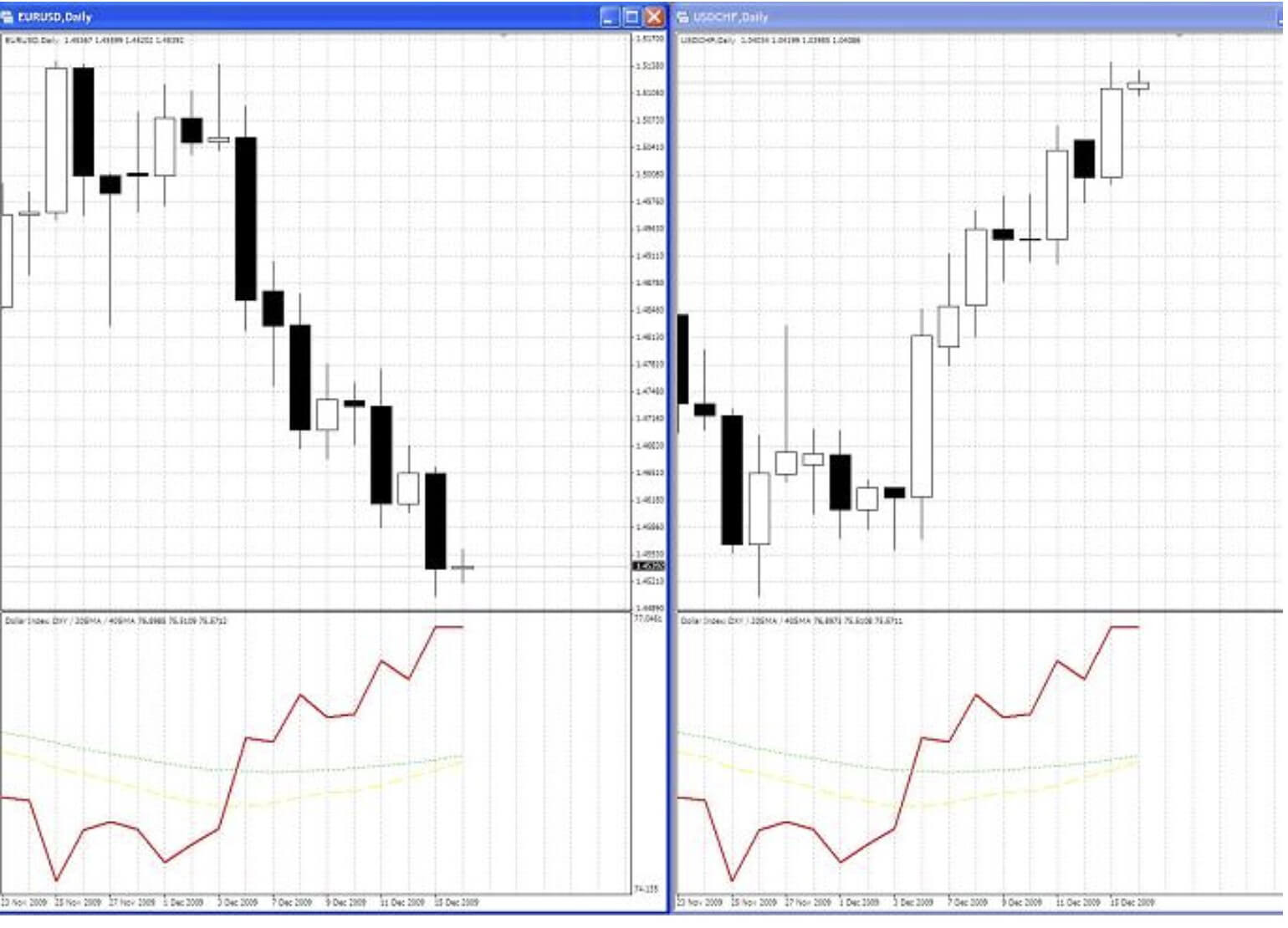
While the exact formula is complex, the general principle is that the index tracks the dollar's value against this specific basket of currencies. If the dollar appreciates against the Euro, the DXY will likely rise, all else being equal. Conversely, if the dollar depreciates against the Euro, the DXY will likely fall. The other currencies also contribute, but their impact is smaller due to their lower weightings.
It's important to remember that the DXY is just one measure of the dollar's value. It doesn't include all currencies, and its weighting scheme is based on trade patterns from the 1970s. Some critics argue that the DXY is outdated and doesn't accurately reflect the dollar's importance in the modern global economy, especially given the rise of emerging market currencies like the Chinese Yuan. Despite these limitations, the DXY remains a widely watched indicator of the dollar's overall strength and a key reference point for investors and economists.
Factors Influencing the DXY: Economic and Political Drivers
Several key economic and political factors can significantly influence the DXY. These factors can be broadly categorized into macroeconomic indicators, monetary policy decisions, geopolitical events, and market sentiment.
Macroeconomic Indicators: Economic data releases, such as GDP growth, inflation rates, employment figures, and trade balances, can all affect the DXY. Strong U.S. economic growth typically leads to a stronger dollar, as it attracts foreign investment and increases demand for U.S. assets. Conversely, weak economic data can weaken the dollar. For example, if the U.S. reports lower-than-expected GDP growth, investors may become less optimistic about the U.S. economy and sell off dollars, causing the DXY to fall. Inflation is another crucial factor. Higher inflation in the U.S. can erode the dollar's purchasing power and lead to a weaker DXY, especially if inflation is higher than in other major economies.
Monetary Policy Decisions: The Federal Reserve's (Fed) monetary policy decisions have a direct impact on the DXY. When the Fed raises interest rates, it makes U.S. assets more attractive to foreign investors, increasing demand for the dollar and pushing the DXY higher. Conversely, when the Fed cuts interest rates, it can weaken the dollar. For example, if the Fed announces a surprise interest rate hike, the DXY will likely surge as investors rush to buy dollars to take advantage of the higher returns. The Fed's communication about its future policy intentions, known as forward guidance, can also influence the DXY.
Geopolitical Events: Geopolitical events, such as political instability, trade wars, and international conflicts, can create uncertainty and volatility in financial markets. During times of uncertainty, investors often flock to the perceived safety of the U.S. dollar, driving the DXY higher. For instance, if there's a major geopolitical crisis, like a war or a terrorist attack, the DXY will likely rise as investors seek safe-haven assets. Trade wars, particularly those involving the U.S., can also impact the DXY.
Market Sentiment: Market sentiment, or the overall attitude of investors towards risk, can also play a role. When investors are risk-averse, they tend to prefer the safety of the U.S. dollar, pushing the DXY higher. When investors are risk-seeking, they may be more willing to invest in higher-yielding assets in other countries, which can weaken the dollar.
Interpreting DXY Movements: What Does a Rising or Falling Index Mean?
A rising or falling DXY can have significant implications for the global economy and financial markets. Understanding these implications is crucial for investors, businesses, and policymakers alike.
Rising DXY: A rising DXY indicates that the U.S. dollar is strengthening against the basket of currencies. This can have several effects: Cheaper Imports: A stronger dollar makes imports cheaper for U.S. consumers and businesses. This can lead to lower inflation, as imported goods become less expensive. However, it can also hurt domestic industries that compete with imports.
More Expensive Exports: A stronger dollar makes U.S. exports more expensive for foreign buyers, which can reduce demand for U.S. goods and services. This can negatively impact U.S. exporters and contribute to a wider trade deficit.
Tightening Financial Conditions: A stronger dollar can tighten financial conditions globally, especially for countries that have large amounts of dollar-denominated debt. As the dollar appreciates, these countries need to spend more of their own currency to repay their dollar debts.
Potential for Capital Flight: A stronger dollar can attract capital inflows to the U.S., as investors seek to take advantage of the stronger currency. However, this can also lead to capital flight from emerging markets, as investors move their money to the U.S.
Falling DXY: A falling DXY indicates that the U.S. dollar is weakening against the basket of currencies. This can have the opposite effects: More Expensive Imports: A weaker dollar makes imports more expensive for U.S. consumers and businesses. This can lead to higher inflation, as imported goods become more expensive.
Cheaper Exports: A weaker dollar makes U.S. exports cheaper for foreign buyers, which can increase demand for U.S. goods and services. This can benefit U.S. exporters and help to narrow the trade deficit.
Easing Financial Conditions: A weaker dollar can ease financial conditions globally, especially for countries with dollar-denominated debt.
Attracting Investment: A weaker dollar can make U.S. assets more attractive to foreign investors, potentially boosting investment in the U.S.
DXY and Its Correlation with Other Assets: Gold, Stocks, and Bonds
The DXY often exhibits correlations with other asset classes, such as gold, stocks, and bonds. These correlations aren't always perfect or consistent, but understanding them can provide valuable insights for investors.
Gold: There's typically aninverserelationship between the DXY and gold prices. When the DXY rises (dollar strengthens), gold prices tend to fall, and vice versa. This is because gold is often seen as a safe-haven asset and a hedge against inflation. When the dollar is strong, it becomes less attractive to hold gold, as the dollar itself is seen as a safe haven. Additionally, gold is priced in dollars, so a stronger dollar makes gold more expensive for buyers using other currencies. However, this relationship can break down during periods of extreme market stress, when both the dollar and gold may rise simultaneously as investors seek safety.
Stocks: The relationship between the DXY and stocks is more complex and can vary depending on the specific sector and market conditions. Generally, a weaker dollar (falling DXY) can be positive for U.S. stocks, particularly those of multinational companies. A weaker dollar makes U.S. exports more competitive, boosting the earnings of companies that sell their products abroad. Conversely, a stronger dollar (rising DXY) can negatively impact U.S. stocks, as it makes exports more expensive and reduces the earnings of multinational companies. However, a strong dollar can also attract foreign investment into U.S. stocks, potentially offsetting the negative impact on earnings.
Bonds: The relationship between the DXY and bonds is also complex and influenced by various factors, including interest rates, inflation, and economic growth. Generally, a rising DXY (stronger dollar) can lead to lower bond yields, as it attracts foreign investment into U.S. bonds. A stronger dollar can also signal lower inflation, which is positive for bond prices. Conversely, a falling DXY (weaker dollar) can lead to higher bond yields, as it reduces foreign demand for U.S. bonds and can signal higher inflation.
Limitations of the DXY: What the Index Doesn't Tell You
While the DXY is a useful tool for tracking the dollar's performance, it has several limitations that investors should be aware of.
Limited Currency Basket: The DXY only includes six currencies, which may not accurately reflect the dollar's performance against all major currencies in the world. For example, the Chinese Yuan, which has become increasingly important in international trade, is not included in the DXY. This means that the DXY may not fully capture the dollar's overall strength or weakness.
Outdated Weightings: The weightings of the currencies in the DXY are based on trade patterns from the 1970s, which may not accurately reflect current trade flows. The Euro has a disproportionately large weighting, which means that movements in the Euro have a significant impact on the DXY, even if the dollar is performing well against other currencies.
Doesn't Reflect Purchasing Power Parity: The DXY doesn't take into account differences in purchasing power parity (PPP) between countries. PPP is a theory that suggests exchange rates should adjust to equalize the prices of goods and services in different countries. The DXY only measures the nominal exchange rate between currencies, not the real exchange rate adjusted for PPP.
Doesn't Account for All Factors: The DXY is primarily a measure of the dollar's strength against a basket of currencies. It doesn't account for other factors that can influence the dollar's value, such as interest rate differentials, economic growth differentials, and political risk.
Practical Applications: Using the DXY for Investment and Business Decisions
Despite its limitations, the DXY can be a valuable tool for making investment and business decisions. Here are some practical applications: Currency Hedging:Businesses that operate internationally can use the DXY to help them hedge their currency risk. For example, a U.S. company that sells its products in Europe can use the DXY to track the dollar's performance against the Euro and adjust its pricing strategy accordingly. If the DXY is rising (dollar strengthening), the company may need to lower its prices in Europe to remain competitive.
Investment Decisions: Investors can use the DXY to help them make investment decisions in various asset classes. For example, if the DXY is rising (dollar strengthening), investors may want to increase their allocation to U.S. assets, such as stocks and bonds. Conversely, if the DXY is falling (dollar weakening), investors may want to increase their allocation to international assets.
Economic Analysis: Economists and policymakers use the DXY as a key indicator of the dollar's strength and its potential impact on the U.S. economy. The DXY can help them to assess the competitiveness of U.S. exports, the impact of inflation, and the overall health of the U.S. economy.
Travel Planning: Travelers can use the DXY to help them plan their trips abroad. If the DXY is rising (dollar strengthening), it means that their dollars will go further in other countries. Conversely, if the DXY is falling (dollar weakening), it means that their dollars will buy less in other countries.
DXY: Real-World Examples of its Impact
To truly understand the power of the DXY, let's look at some real-world examples of how it has impacted financial markets and the global economy: The 2008 Financial Crisis:During the 2008 financial crisis, the DXY initially rose sharply as investors fled to the safety of the U.S. dollar. This caused a global dollar shortage and put pressure on emerging market economies. However, as the Fed implemented aggressive monetary easing policies, the DXY eventually declined, helping to ease global financial conditions.
The European Debt Crisis: During the European debt crisis of the early 2010s, the DXY fluctuated wildly as investors reacted to news about the crisis. When concerns about the Eurozone intensified, the DXY rose as investors sought the safety of the U.S. dollar. However, when policymakers took steps to address the crisis, the DXY often declined.
The Trump Trade War: The trade war between the U.S. and China during the Trump administration had a significant impact on the DXY. Initially, the DXY rose as investors anticipated that the trade war would benefit the U.S. economy. However, as the trade war dragged on and its negative impacts became clearer, the DXY eventually declined.
The COVID-19 Pandemic: During the COVID-19 pandemic, the DXY initially rose sharply as investors sought the safety of the U.S. dollar. However, as the Fed implemented massive monetary stimulus measures, the DXY eventually declined, helping to support the global economy. As of late 2022 and early 2023, the DXY saw a significant surge driven by aggressive interest rate hikes from the Federal Reserve to combat inflation. This strong dollar created headwinds for many emerging market economies and contributed to global economic uncertainty.
The Future of the DXY: Emerging Trends and Considerations
Looking ahead, the DXY is likely to remain an important indicator of the dollar's performance, but its relevance may be challenged by several emerging trends.
The Rise of Emerging Market Currencies: The increasing importance of emerging market economies, particularly China, is likely to challenge the dominance of the currencies in the DXY basket. The Chinese Yuan is becoming a more important currency in international trade and finance, and its exclusion from the DXY may make the index less representative of the dollar's overall performance.
The Development of Digital Currencies: The development of digital currencies, both central bank digital currencies (CBDCs) and private cryptocurrencies, could potentially disrupt the traditional currency system and impact the DXY. If digital currencies become widely adopted, they could reduce the demand for the U.S. dollar and other traditional currencies.
Changes in Global Trade Patterns: Changes in global trade patterns could also impact the DXY. If the U.S. becomes less reliant on trade with the countries in the DXY basket, the weightings of the currencies in the index may need to be adjusted to reflect these changes.
Geopolitical Shifts: Shifting geopolitical alliances and tensions could also influence the DXY. Increased geopolitical instability could lead to greater demand for safe-haven currencies like the U.S. dollar, potentially driving the DXY higher.
Alright friends, that was quite a journey through the world of the DXY!
In essence, the DXY, or U.S. Dollar Index, acts as a barometer for the dollar's global health, measuring its strength against a basket of major currencies. We've seen how factors like economic indicators, monetary policy, and geopolitical events can send the DXY soaring or sinking, impacting everything from import prices to international investments. While it's not a perfect measure, with limitations like an outdated currency basket and a focus on nominal exchange rates, the DXY remains a valuable tool for investors, businesses, and anyone looking to understand the forces shaping the global economy.
So, here's your call to action: the next time you hear about the dollar's performance in the news, remember the DXY. Take a look at the index yourself, and consider how its movements might be affecting your own financial decisions. By understanding the DXY, you're empowering yourself to navigate the complex world of global finance with greater confidence.
Keep learning, keep exploring, and remember that knowledge is power! What other economic indicators are you curious about? Don't be afraid to dive deeper and become a more informed global citizen. Your financial future might just depend on it! Go forth and conquer!

Post a Comment for "DXY: Understanding the Dollar Index"
Post a Comment