What these Trump administration close-ups reveal
The Unfiltered Gaze: A Photographer’s Look at Power
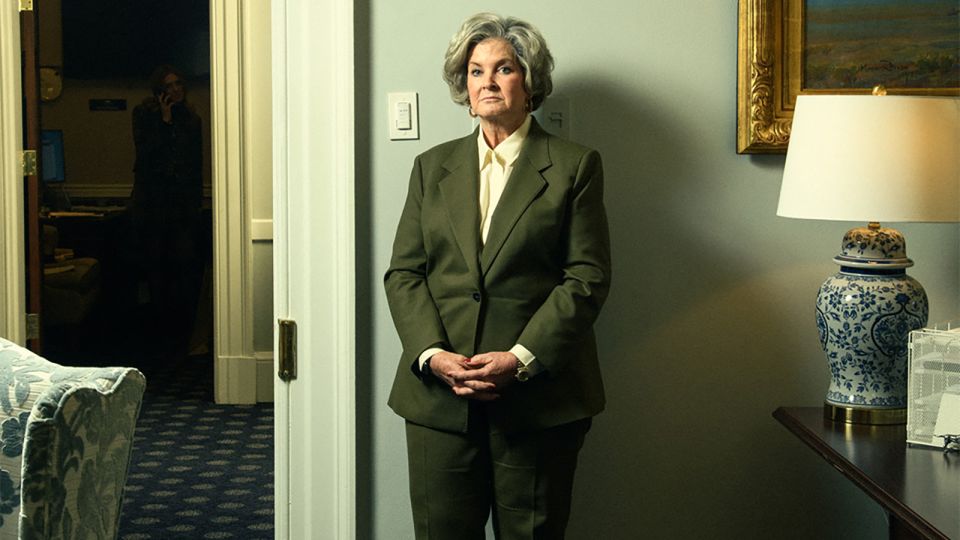
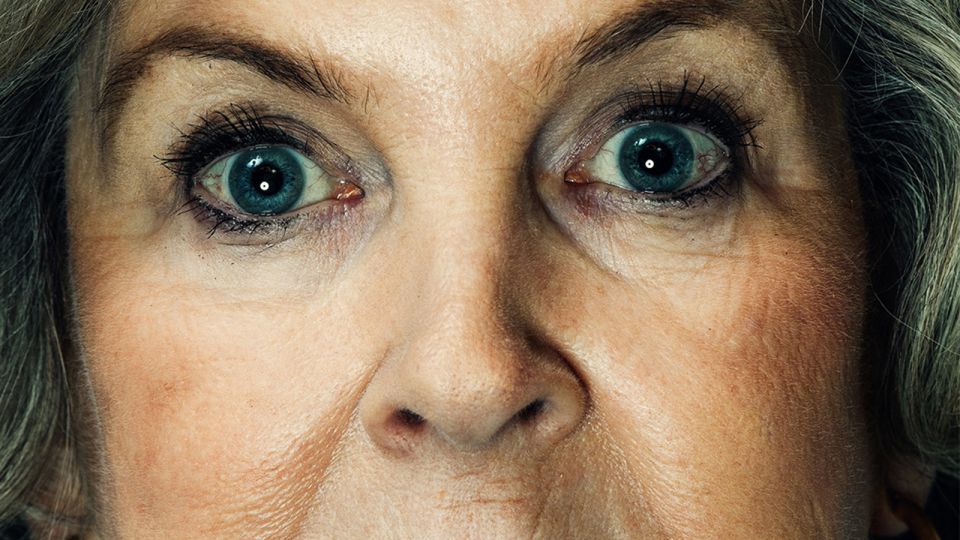
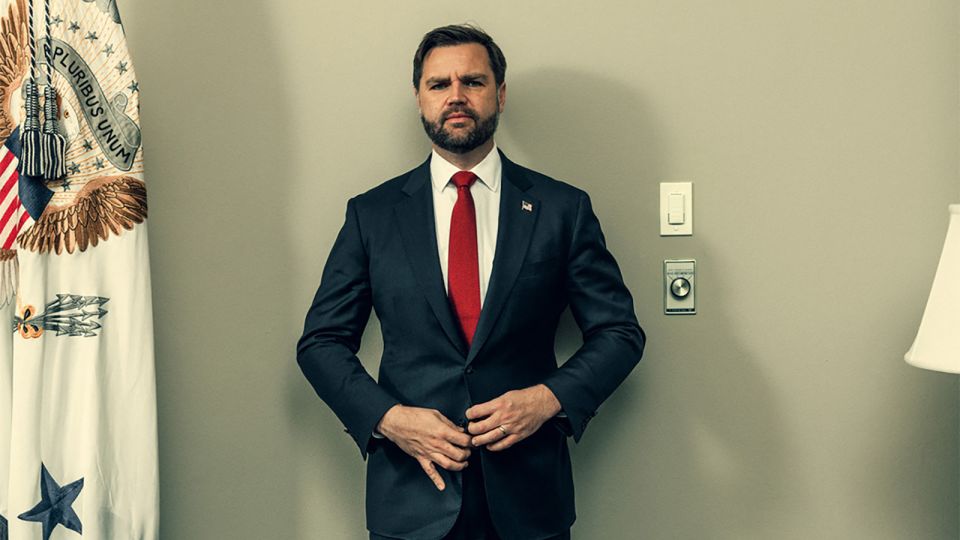
The world has been captivated by a series of striking photographs that offer an unvarnished look at some of the most influential figures in American politics. These images, featuring close-ups of President Trump's inner circle, have sparked widespread discussion since their release. From Karoline Leavitt to Susie Wiles, JD Vance, and Marco Rubio, the photos present a rare glimpse into the personal lives of those who shape national policy.
A New Perspective on Political Portraiture
What makes these images so compelling is their raw, unfiltered nature. Unlike the carefully curated images often seen in media coverage, Anderson's work captures his subjects in moments that feel genuine and unguarded. This approach has become increasingly rare in an era where public figures are typically shielded from such scrutiny. For instance, White House press secretary Karoline Leavitt is usually seen at a safe distance from the camera, maintaining a professional image that keeps the public at arm's length.
The photographs were taken by photojournalist Christopher Anderson, whose work has long focused on capturing the behind-the-scenes realities of politics. His portraits of key members of President Donald Trump's second administration range from formal to deeply unsettling, offering a unique perspective on power and influence.
A Career Rooted in Truth
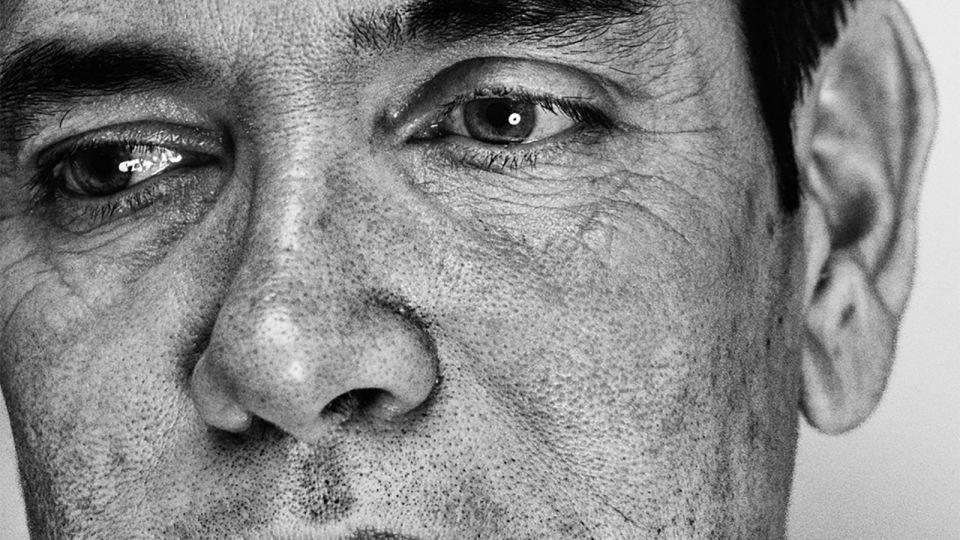
Anderson's journey as a photographer began with Magnum Photos, where he initially focused on conflict photography. However, it was his work on political figures that truly set him apart. In the late 2000s, his black-and-white portraits of politicians on the campaign trail gained significant attention, appearing in publications like the New York Times Magazine. These images, which highlighted blemishes and imperfections, challenged the traditional notion of political imagery.
His book "Stump," published in 2014, compiled these early works, presenting them without any journalistic context or political affiliations. Anderson referred to these images as his "X-ray icons," aiming to reveal the underlying truths of American politics. Whether in black and white or color, this approach has remained a consistent theme throughout his career.
The Evolution of Political Photography
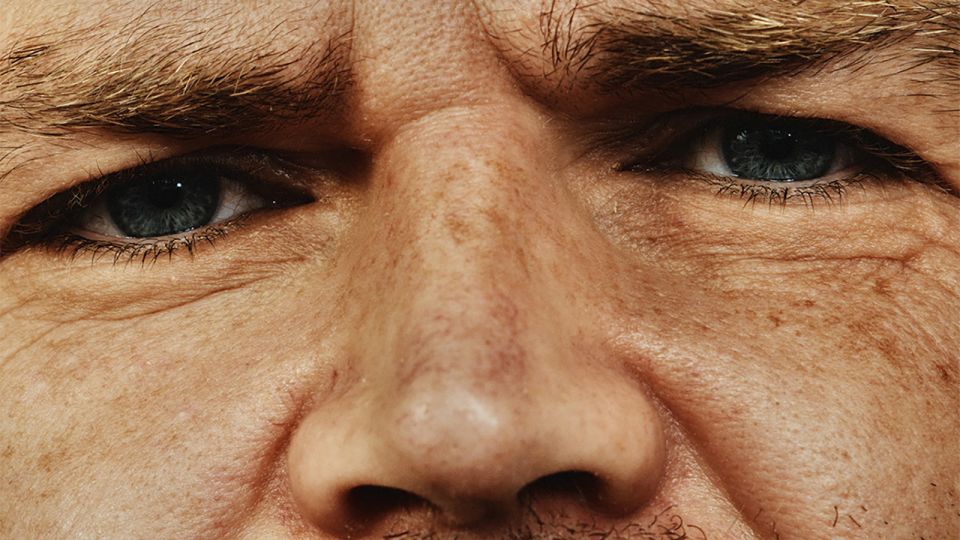
The high-flash, unrelenting style of photojournalism seen in Anderson’s work became popular in the 2010s, aligning with a more dramatic political landscape. Major publications sought out his unguarded portraits of political figures, as well as the work of other photographers like Mark Peterson and Dina Litovsky. Their images captured the intensity and complexity of political life, extending beyond campaign trails to cover fashion, debutante balls, and even dog shows.
A Balanced Lens
Anderson has consistently emphasized that he treats all subjects equally, regardless of political affiliation. His work reflects a balanced approach, capturing both major parties with the same incisive eye. While some political figures may appear more favorably in his work, others are not spared the same level of scrutiny. Anderson's role is not to create unflattering portraits but to reveal the truth, even if it means capturing imperfections.
Within the Vanity Fair reports, the more traditional portraits of figures like Susie Wiles went largely unnoticed, as they did not provoke controversy. As a photojournalist, Anderson does not control how his subjects present themselves or the decisions made by their makeup artists. His job is to document reality, not to alter it.
The Tension Between Power and Media
The Vanity Fair story has generated significant buzz in Washington, particularly due to Wiles' comments about the president's personality and his push for regime change in Venezuela. These revelations contrast sharply with the administration's preference for friendly media, which has often limited access to the White House and Pentagon for traditional outlets.
Despite this, Trump and his administration have maintained a complex relationship with the media, engaging with major outlets while simultaneously criticizing them. This dynamic highlights the ongoing tension between power and public perception.
The Influence of Image and Perception
Trump has also shown a particular sensitivity to unflattering images, criticizing a recent Time magazine cover and a painting that did not capture his likeness. The subsequent changes to the cover illustrate the potential dangers of allowing a presidential administration to exert influence over images that offend it. The public deserves to see the full picture, not just a carefully curated mask.

Post a Comment for "What these Trump administration close-ups reveal"
Post a Comment