Unpaid Caregiving: Small Acts with Great Moral Value
The Growing Challenge of Balancing Work and Caregiving
As child care costs continue to rise faster than wages, more families are forced to make tough decisions about whether to reduce their work hours or leave the workforce entirely to provide care for loved ones. This challenge is especially pronounced among women aged 25–54, who often cite caregiving as the primary reason for leaving the workforce.
The issue isn't limited to parents. Nearly 60 million Americans provide care for an adult family member, and two-thirds of these individuals struggle to balance their job responsibilities with their caregiving duties. Many working caregivers report missing work or being less productive due to their care obligations. When the pressure becomes too great, some people choose to quit their jobs, cut back on hours, or decline promotions in order to focus on caregiving.
These decisions can have significant financial implications for households. While some may save money by reducing their work commitments, the emotional and psychological toll can be heavy. For many, stepping away from a career feels like abandoning a sense of purpose that extends beyond the family.
What Counts as Meaningful Work?
These choices raise deeper questions about what it means to lead a meaningful life. What do we owe to others, and what is reasonable to expect from any one person? For many, work and family are central to their identity and how they hope to make a difference in the world. Men and women who are considering stepping back from their careers may wonder if this is the best use of their skills and training. Do we owe the world something "bigger"?
Caregiving, while deeply personal, can sometimes feel too small or insignificant compared to professional achievements. However, the value of caregiving lies in its ability to prevent negative outcomes—such as injuries, hospital admissions, and developmental delays—that might otherwise occur without such support.
The Moral Value of Care
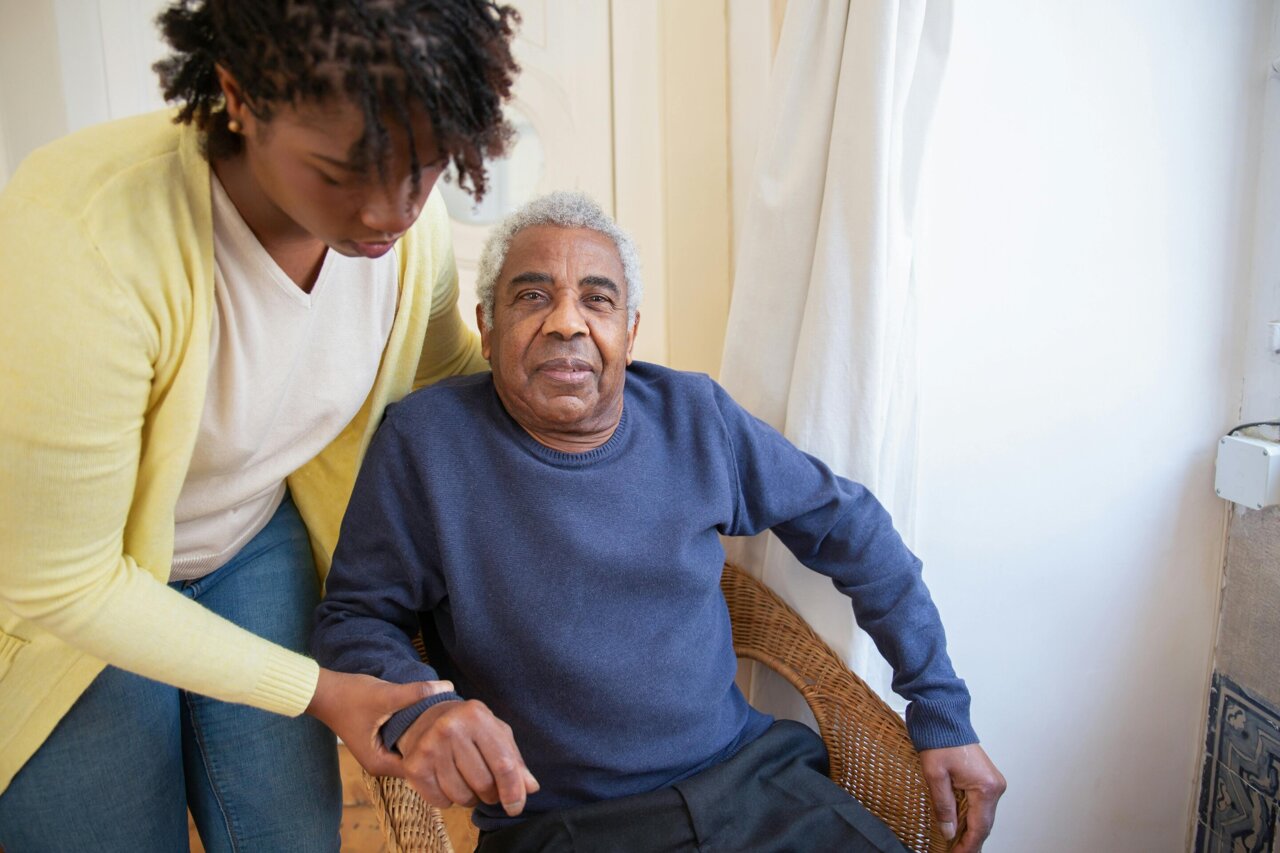
In American culture, moral worth is often measured by observable results and impact. Stepping back from a career to care for a loved one can feel like a failure of ambition or responsibility. The daily tasks of caregiving—feeding, bathing, dressing, and driving to appointments—may seem inconsequential. Yet, the end result of this work is often invisible: the person remains in the same place they were before.
However, the benefits of caregiving are profound. Preventing crises and reducing vulnerability is a genuine moral achievement. Health care ethicists use counterfactual reasoning to evaluate harm and benefit, asking how a patient would have fared without an intervention. Similarly, caregiving that reduces suffering is a meaningful contribution to the well-being of others.
The Personal and the Universal
While caregiving may seem too personal to matter much to the wider world, it is also socially significant. Care ethicists like Joan Tronto and Eva Kittay argue that caring for particular people reveals something universal about the human condition. Everyone is dependent on care at different points in their lives.
Understanding dependency as a shared human experience helps explain why care is foundational to collective well-being. Unpaid caregiving in the U.S. is estimated to be worth $1.1 trillion annually, making it one of the largest sources of social support. Beyond its economic impact, care makes family, community, and civic life possible, with benefits that extend far beyond the household.
Revaluing Care in Society
Treating care as a private matter rather than a shared social good has consequences. It places the burden of caregiving on individual families—most often on women. This narrow view not only shifts responsibility unfairly but also distorts the value of care, limiting society's understanding of what truly matters.
Policy changes could help ease the strain on caregivers, but they wouldn’t eliminate the personal choices families face every day. Even in a more supportive system, Americans would need ways of thinking about work and care that recognize their full value. Caregiving’s broader public benefits are often diffuse and hard to measure, but recognizing that care sustains not only families but communities too is essential.
Conclusion
Caregiving doesn’t have to mean stepping back from contributing to the world—it simply changes where that contribution happens. This article highlights the importance of rethinking how we value both paid work and unpaid care, recognizing that they are both vital to the common good.

Post a Comment for "Unpaid Caregiving: Small Acts with Great Moral Value"
Post a Comment