Trump's Oval Office Speech: Key Ideas for an Affordability Plan
A New Vision for America's Affordability Crisis
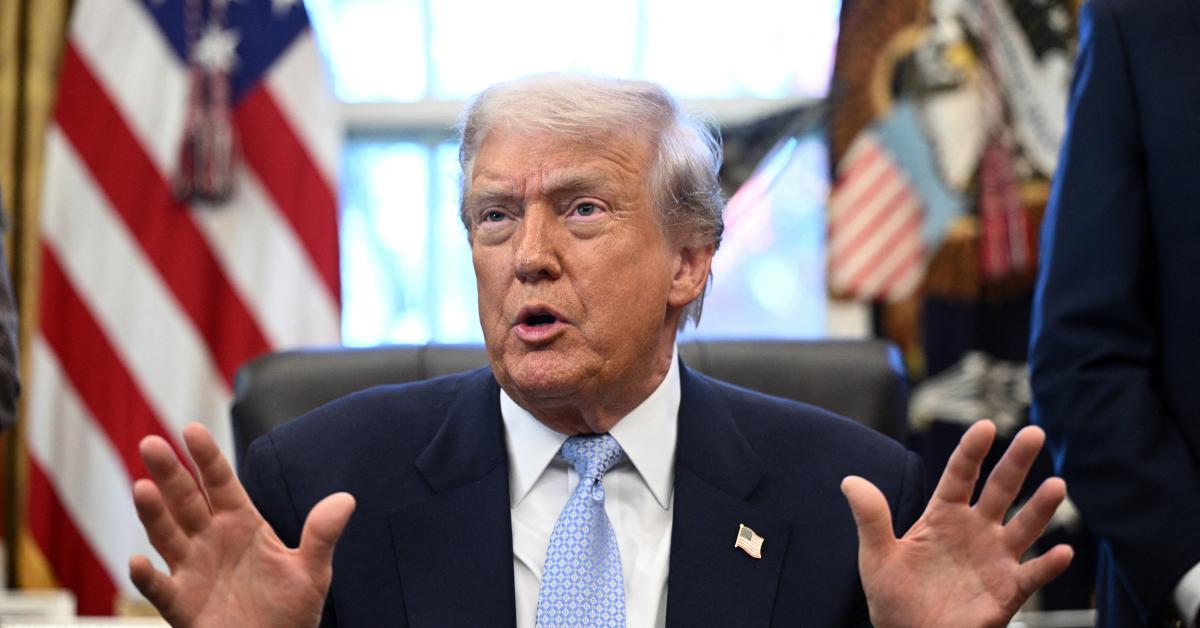
President Donald Trump is set to deliver an Oval Office address that will not only highlight the achievements of his first year in office but also present a bold vision for addressing the growing affordability concerns among Americans. The speech is expected to serve as a platform for introducing new ideas aimed at tackling the economic anxieties that continue to affect everyday citizens, even as certain economic indicators show improvement.
Focus on Affordability and Economic Growth
Aides and members of Congress anticipate that Trump will place significant emphasis on affordability in the coming weeks, outlining a 2026 agenda that could include a range of initiatives. These might involve launching an affordable housing boom similar to the post-WWII era or reducing the size of the federal government. According to Rep. Ralph Norman, these ideas are likely to be as ambitious as those that propelled Trump to victory in the 2024 election.
"The man works 24/7, and at the end of the day, he just loves America," Norman said, emphasizing Trump's commitment to the nation.
A Strong First-Year Record
On paper, Trump has a first-year record that many presidents would envy. Gas prices, prescription drug costs, and egg prices have all dropped significantly. The southern border is secure after years of instability, with 2.6 million illegal immigrants having left the country voluntarily or through deportation. Additionally, eight peace deals were struck globally, and Iran's nuclear program was crippled. Americans are also set to benefit from substantial tax cuts next year, including no taxes on tips and Social Security.
However, despite these improvements, the effects are not yet fully felt by the average American. Employers are cutting payrolls, and people remain anxious about their financial situations.
Economic Projections and Policy Impact
Treasury Secretary Scott Bessent believes the impact of Trump's policies will become more apparent by the second quarter of next year, especially if the economy grows by 3% in 2025, as predicted. He attributes the current affordability issues to the policies of previous administrations, which created scarcity in energy and over-regulated the economy.
"Democrats created scarcity... and I think next year we're going to move on to prosperity," Bessent said.
Key Ideas Being Discussed
Trump's aides and advisers have been working on several big ideas to be unveiled in the speech and in the coming weeks. Here are four key proposals:
Affordable Housing Boom
One idea involves creating an affordable housing policy similar to the GI Bill, which spurred a housing boom after World War II. This could include a homeowners' bill of rights to protect Americans from excessive local zoning regulations. The administration could also push for a national model home-building code, using federal funds as an incentive for communities to adopt it.
Experts suggest that local zoning regulations in certain areas contribute to the affordability crisis. For example, California's strict regulations have prevented victims of wildfires from rebuilding on their property. By offering a model code, Trump could encourage communities to adopt it while penalizing those that resist.
Additionally, Trump could emphasize his plan to appoint a new Federal Reserve Chairman committed to lowering interest rates, making mortgages more affordable and encouraging established homeowners to move, thus increasing lower-priced inventory for young buyers.
Health Care Reform
Another proposal is to offer a credible alternative to Obamacare by ending corporate welfare for big insurers and increasing choice and competition. Trump could reform the health care system to make it more affordable and competitive, potentially introducing universal health care savings accounts funded by tariff revenues.
He could also challenge state insurance pools by declaring that states restricting competition engage in illegal restraint of trade, allowing insurers from other regions to compete. Furthermore, Trump could allow Americans to meet minimum insurance requirements through catastrophic plans, similar to homeowner or car insurance.
Reducing Federal Spending
Trump could commit to cutting 20% of discretionary federal spending starting with his next budget. This would align with the Reagan agenda, helping to reduce deficits and free up funds for Medicare and Social Security. Simple measures, such as checking the Social Security deceased persons' database before sending benefits, could save billions annually.
Other steps include eliminating duplicate programs identified in Government Accountability Office reports and ensuring that recipients of federal funds are lawful residents. Trump could also implement an executive order requiring federal employees to root out waste, fraud, and abuse, with penalties including termination.
Water Policy
Finally, Trump could address the looming water crisis by naming a U.S. water czar. With threats ranging from Mexico's efforts to deplete U.S. water supplies to private entities hoarding water resources, a proactive approach is essential. This initiative could ensure an abundant water supply for future generations, particularly affecting millennials and Gen Z.
By addressing these critical issues, Trump aims to provide a comprehensive vision for America's future, focusing on affordability, economic growth, and long-term sustainability.

Post a Comment for "Trump's Oval Office Speech: Key Ideas for an Affordability Plan"
Post a Comment