Trump's Attack on Top Climate Research Hub
The Trump Administration's Plan to Dismantle a Key Climate Research Institution
The Trump administration has taken a significant step in its ongoing effort to undermine scientific research by proposing the dismantling of the National Center for Atmospheric Research (NCAR) in Boulder, Colorado. This move is part of a broader strategy that has seen the administration roll back environmental protections and challenge the findings of climate science.
White House Office of Management and Budget Director Russell Vought announced the plan on social media, stating that the National Science Foundation (NSF) would be breaking up NCAR. He claimed that a comprehensive review is underway, with any vital activities—such as weather research—being relocated to other entities or locations. Vought also accused NCAR of promoting "climate alarmism," aligning with the administration’s long-standing skepticism toward climate change.
This decision comes after nearly a year of efforts by the Trump administration to weaken environmental initiatives. During a speech at the United Nations, President Trump called climate change the “greatest con job ever perpetrated on the world.” The proposed dismantling of NCAR represents another blow to the scientific community, particularly in the field of climate and weather research.
The Importance of NCAR
NCAR is a state-of-the-art research facility that plays a critical role in understanding Earth's climate systems. Its work includes improving severe weather prediction, developing air quality forecasts, modeling flooding, predicting droughts, studying wildfire behavior, and examining the impact of solar storms on Earth. These studies are essential for protecting lives, property, and economic stability.
Antonio Busalacchi, president of the University Corporation for Atmospheric Research, which manages NCAR on behalf of the NSF, expressed concern over the potential dismantling of the institution. He stated that no formal communication had been received regarding any such plans. However, he emphasized that NCAR's research is crucial for American prosperity, noting that any attempt to dismantle the center would set back the nation’s ability to predict and respond to natural disasters.
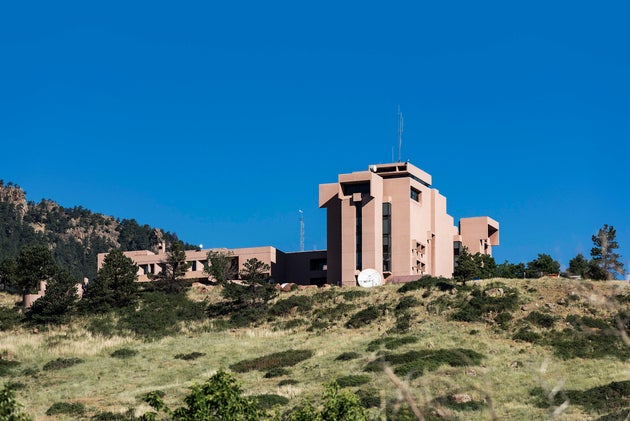
The center employs around 800 scientists and support personnel and was established in 1960. It has long been recognized as a leader in atmospheric research, contributing significantly to national security and economic development through its cutting-edge studies.
Political Backlash and Concerns
The proposed dismantling of NCAR has drawn strong criticism from Colorado lawmakers. Rep. Joe Neguse (D-Colo.), along with Colorado Sens. Michael Bennet and John Hickenlooper, issued a joint statement condemning the move. They described efforts to dismantle the institution as “deeply dangerous and blatantly retaliatory” and vowed to fight against what they see as an attack on cutting-edge research.
The administration’s actions have also raised concerns about political retaliation. The moves coincide with President Trump’s demands that Colorado Gov. Jared Polis (D) pardon and release Tina Peters, a former county clerk serving nine years in prison for orchestrating a scheme to breach voting machine data based on false claims of election fraud. Trump has attempted to move Peters to federal custody and even granted her a pretend pardon last week.
On Monday, Trump falsely accused Polis of being “run by Tren de Aragua,” a Venezuelan gang, and called him “pathetic” and “weak.” Polis has refused to comply with the demands, reiterating that Peters should be treated like any other inmate.
Broader Implications
The dismantling of NCAR is not just a local issue; it reflects a larger trend of the Trump administration undermining scientific institutions and policies. The recent cancellation of $109 million in federal transportation grants for Colorado, including a $66 million grant for a rail safety mechanism, further highlights the administration’s disregard for infrastructure and public safety.
These actions have sparked widespread concern among scientists, policymakers, and citizens who recognize the importance of maintaining robust scientific research and environmental protection. As the debate continues, the future of NCAR and its vital contributions to climate and weather research remains uncertain.

Post a Comment for "Trump's Attack on Top Climate Research Hub"
Post a Comment