Talk to Those You Disagree With About Politics

Engaging in political conversations during the holiday season can be a challenging yet rewarding experience. While it may seem unlikely that such discussions will change someone's mind, they can still have a meaningful impact on how people perceive one another.
As a scholar of political dialogue, I have spent the past decade studying interactions between individuals who hold differing political views. My research has shown that while people rarely change their minds directly from these conversations, they often feel more positive about those they disagree with. This shift in perception can be powerful, even if it doesn't lead to immediate changes in beliefs.
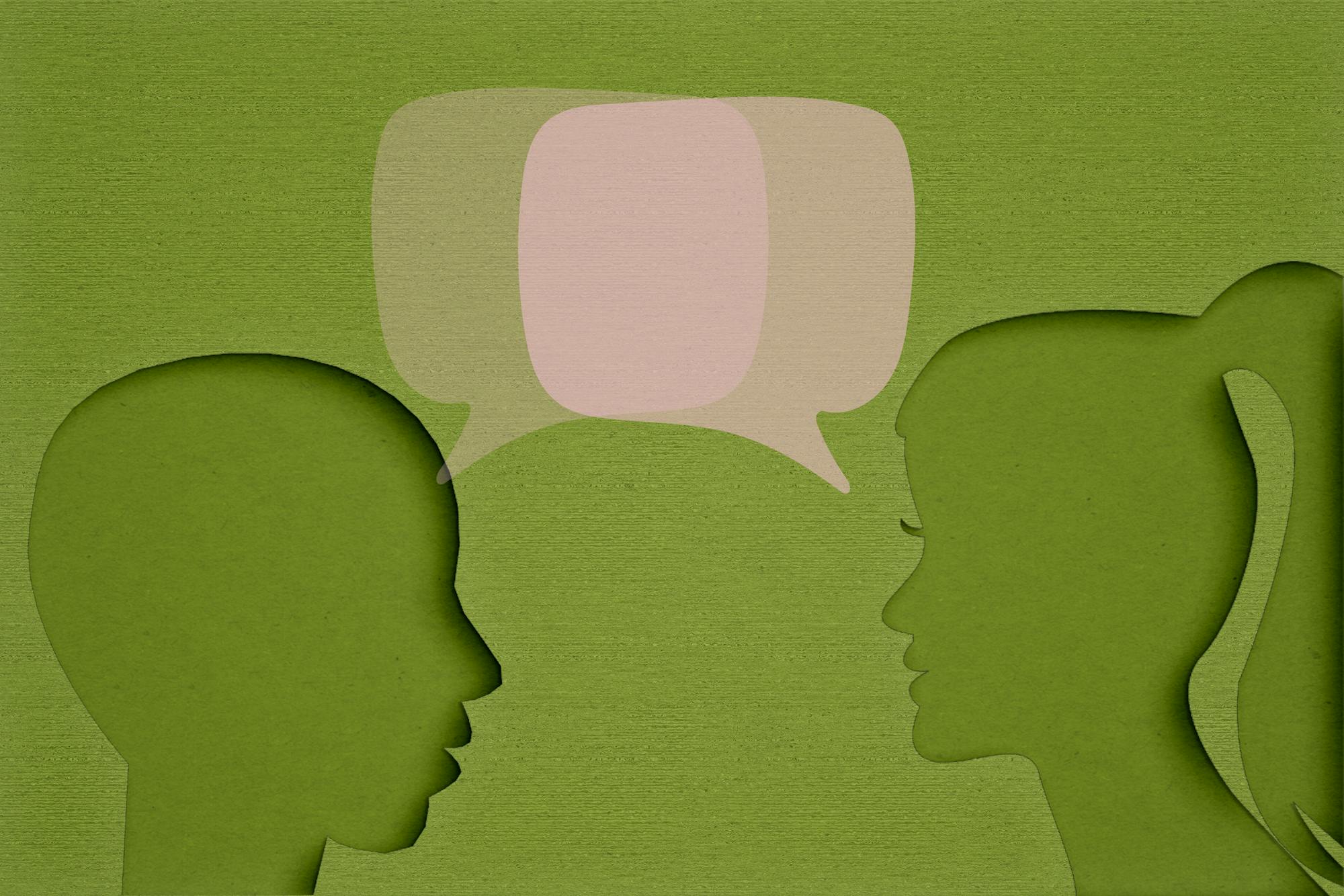
The way these conversations unfold is crucial. Confrontations and arguments are less effective than approaches based on inquiry and genuine curiosity. When individuals show sincere interest in understanding others' perspectives, they create an environment where open dialogue can flourish.
Conversations That Make a Difference
One effective strategy is to ask thoughtful, respectful questions. Instead of focusing solely on why someone made a particular choice, consider exploring their fears, hopes, and beliefs. Understanding the personal experiences that shape these views can foster deeper connections.
This approach benefits both the listener and the speaker. The listener may gain insight into how someone could make a decision they find problematic, while still seeing them as a decent person. The speaker, in turn, may feel more understood and appreciated, which can lead to more positive interactions.
For example, when I followed up with college students who participated in a dialogue session focused on curiosity-based listening, they remembered the most about their conversation partners. Many recalled that instead of facing aggression, they were met with sincere questions and attentive listening. These experiences left a lasting impression and contributed to a sense of mutual respect.
Benefits to Democracy
These types of exchanges between Americans with different political views offer several important benefits to democracy. First, they can help reduce the dangers associated with hatred and fear. By understanding others' reasons for their choices and recognizing their decency, people may become less likely to support conspiracy theories or policies that dehumanize the opposing side.
Additionally, these conversations can promote the ideals of democracy. In an ideal democratic society, individuals seek to understand one another's concerns and work together to create a fair and inclusive society. This requires knowing what others' lives are like and understanding the experiences that shape their beliefs.
In rare cases, people may even change their minds about political issues. However, this usually happens not through direct persuasion but through self-reflection prompted by thoughtful questions. For instance, a student shared that after being asked, “If you say you believe this, then why did you vote like that?” she began questioning her own decisions and eventually found new answers over time.

A Shared Connection
While dialogue alone cannot sustain a healthy democracy, it plays a vital role in maintaining the values that underpin it. Open, curious conversations among people with differing views remind us of our shared humanity and the importance of protecting our nation.
This holiday season, let’s commit to engaging with those we disagree with, treating them with respect and dignity. By doing so, we can foster a more understanding and cohesive society.
This article was written by Rachel Wahl, a scholar at the University of Virginia. Her work has been supported by the Spencer Foundation and the National Academy of Education.

Post a Comment for "Talk to Those You Disagree With About Politics"
Post a Comment