Smart Homes for Adults with Disabilities in Cincinnati
The Rise of Smart Homes for People with Disabilities in Greater Cincinnati
Real estate in Greater Cincinnati is experiencing a surge, and one of the most innovative developments is the emergence of smart homes tailored for individuals with disabilities. These homes are designed to offer greater independence and dignity while incorporating advanced technology that supports residents' needs.
The Enquirer has been covering these developments through its "Going Up" series, which highlights key projects in the region. One such project is the creation of nine single-family smart homes across Hamilton County, developed by Living Arrangements for the Developmentally Disabled (LADD). This initiative is part of a broader movement to provide more diverse housing options for people with developmental disabilities, especially as many face challenges with aging caregivers.
Key Details About the Smart Home Clusters
The smart homes are located at 9924 Loralinda Drive in Colerain Township, with additional clusters in Hyde Park and Springfield Township. These homes are being constructed by 3603 Developers and are expected to open in stages starting from late spring 2026 through early 2027.
The project is funded through a combination of private donations and public funds, including $4 million from the American Rescue Plan Act. The total cost of the project is $8.5 million, with an anonymous donor contributing to the Hyde Park cluster.
A Unique Approach to Housing
LADD, a Cincinnati-based organization with a 50-year history, is leading this effort. Honored by the United Nations, the organization is pioneering a new approach to housing that emphasizes independence and accessibility. Their prototype home in Anderson Township, which opened in 2020, serves as a model for the upcoming homes.
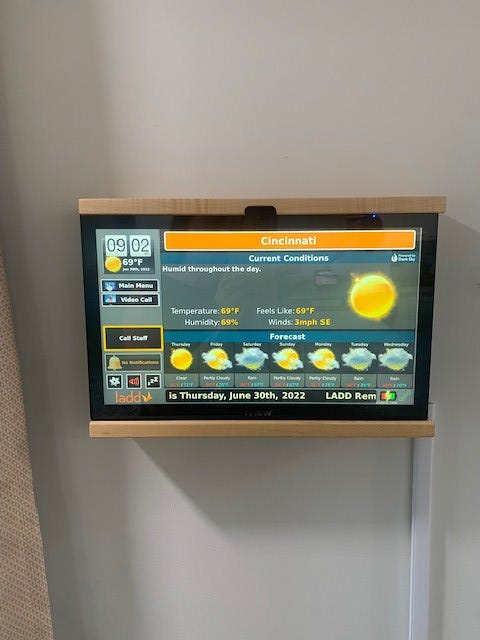
These smart homes are not just about technology; they're about creating environments where residents can live with dignity. The design includes features such as:
- Induction stoves to prevent accidental burns
- Smart appliances like fridges that notify staff if a resident opens them when struggling with an eating disorder
- Accessible bathrooms with low-flow fixtures and water sensors to prevent scalding
- Energy-efficient lighting and remotely-controlled lights for communication with hard-of-hearing residents
- Motion sensors to detect falls and alert staff
- A dedicated sensory and fitness room with customizable elements like window shades, lighting, and music
- An automatic locking front door that ensures safety
- Wearable devices like smartwatches to assist residents who may get lost or need help outside the home
Benefits of the Smart Homes
According to LADD CEO Susan Brownknight, the smart homes aim to give residents the "dignity of adulthood," allowing them to manage their lives with greater autonomy. The use of technology also increases efficiency, enabling six staff members to serve 12 residents instead of the previous ratio of six staff for four residents.
Shelley Goering, director of marketing and community engagement for LADD, emphasized that the technology is designed to be "invisible," only becoming present when needed. This approach allows for more privacy and a sense of normalcy for residents.
Choosing the Right Neighborhoods
When selecting locations for the smart homes, LADD prioritizes neighborhoods with accessible infrastructure. Goering explained that the goal is to ensure residents have access to public transit, bike paths, and other amenities that support daily life. She noted that even though the properties are near bus routes, long and complex commutes are common, making proximity and transit-connected housing essential.
Waiting List and Future Opportunities
Currently, there are 466 people on LADD’s affordable housing waiting list. Goering encourages those interested in the homes to inquire now, as waitlists vary based on factors like commute times and housemate compatibility.
Residents can request services or join the waitlist by filling out a form available online.
Conclusion
As the smart homes come online, they represent a significant step forward in providing inclusive, technology-driven housing for individuals with disabilities. With a focus on independence, safety, and community integration, these homes are setting a new standard for residential care in Greater Cincinnati.

Post a Comment for "Smart Homes for Adults with Disabilities in Cincinnati"
Post a Comment