Senate Passes Bill to Require Military Aircraft to Broadcast Location After DC Plane Crash
Addressing a Critical Aviation Safety Gap
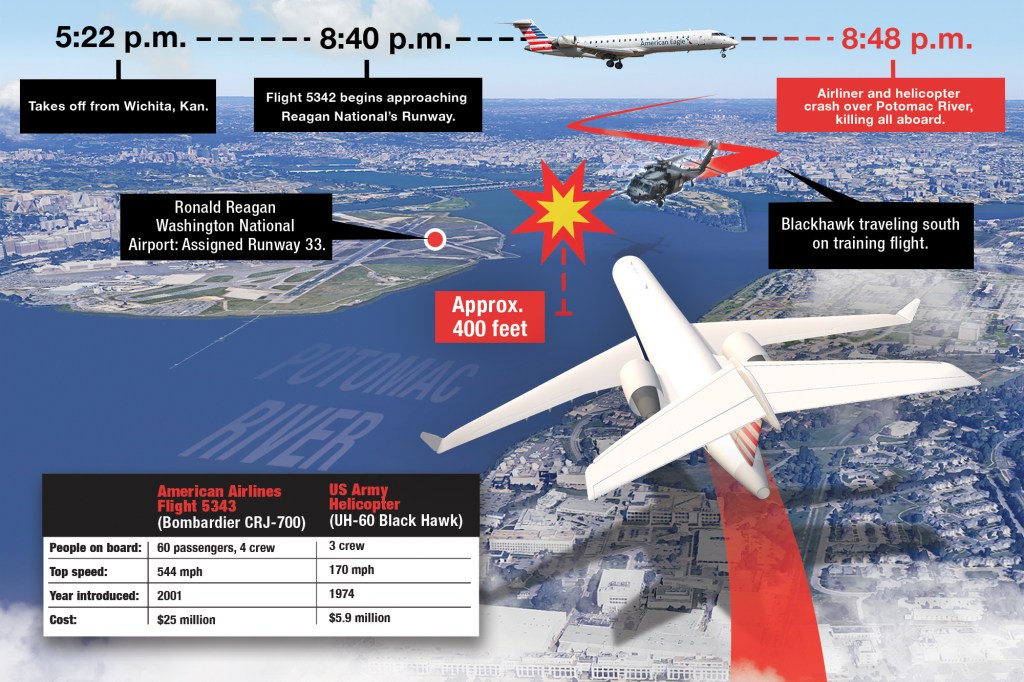
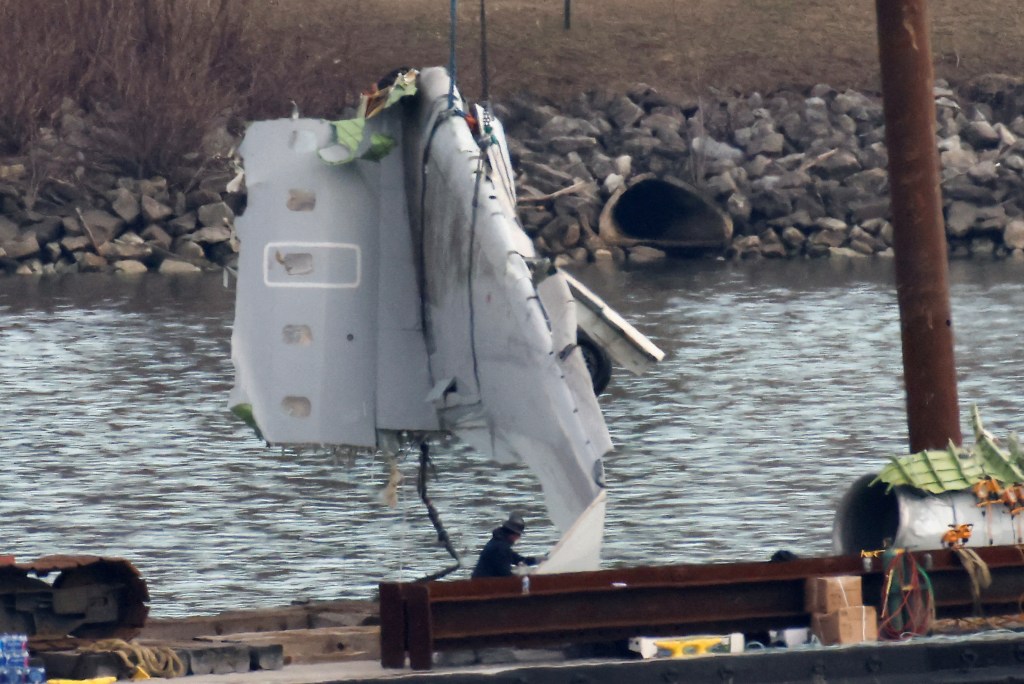
In response to a tragic incident that claimed the lives of 67 people, the U.S. Senate took swift action to address a critical loophole in aviation safety regulations. The move comes after an Army Black Hawk helicopter collided with an American Airlines jet over Washington, D.C., in January. The crash highlighted the need for stricter measures to ensure the safety of all aircraft operating in the nation’s capital.
The Senate passed a bipartisan bill aimed at closing this gap by requiring all aircraft to use ADS-B technology—Automatic Dependent Surveillance-Broadcast. This system allows aircraft to broadcast their locations in real time, providing crucial data to air traffic controllers and other pilots. The legislation is seen as a vital step toward preventing similar tragedies in the future.
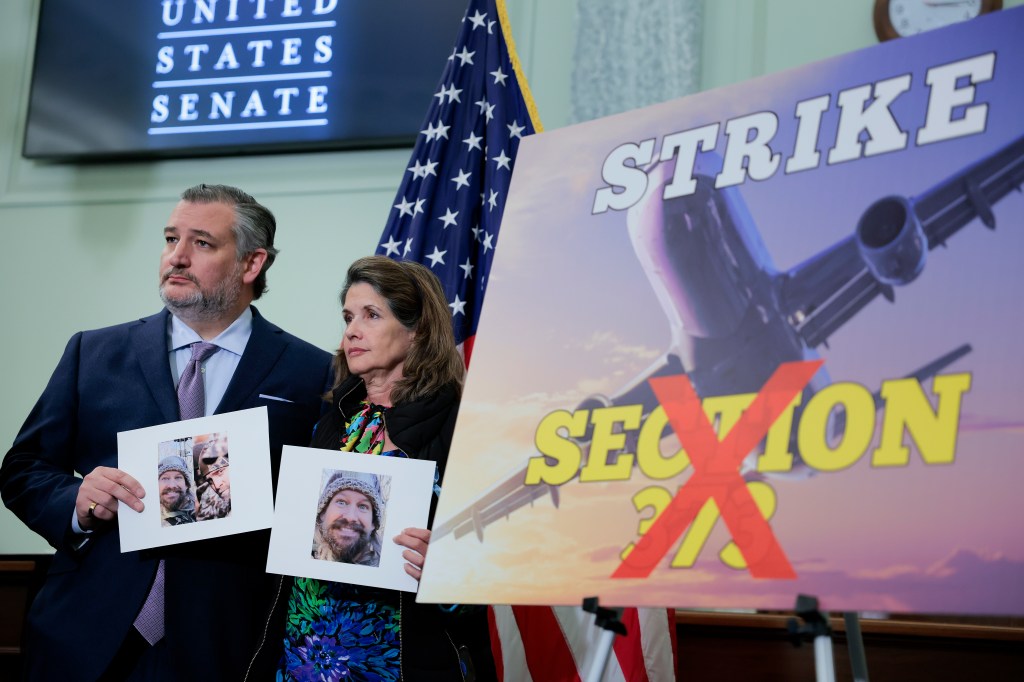
Republican Senator Ted Cruz emphasized the importance of the new law, stating that the tragedy could have been avoided if the Army Black Hawk had been using its ADS-B system during the fatal flight. He praised the effort to save lives through improved technology and called for the bill to be enacted as soon as possible.
While the bill has already passed the Senate, it remains unclear when the House will take up the legislation or whether any changes will be made. However, Cruz expressed optimism that the White House supports the current version and will work to get it signed into law by next month.
Why the Legislation Matters
The decision to pass the bill without amending the larger defense bill was strategic. Republican leaders chose not to delay the broader legislation, which included other significant provisions, to avoid sending it back to the House for another vote. Instead, they focused on addressing the specific safety concerns raised by the crash.
Although the final report on the crash is not expected until next year, the Senate acted quickly to implement changes that align military operations with the same safety standards applied to commercial airlines. The National Transportation Safety Board (NTSB) had previously identified 85 near-misses in the three years leading up to the crash, underscoring the urgency of the situation.
For decades, the NTSB has advocated for the use of locator systems like ADS-B. However, implementation has been delayed due to concerns about costs for small aircraft owners and privacy issues. Despite these challenges, many newer general aviation planes and airline jets are already equipped with ADS-B technology.
The Black Hawk involved in the crash did have the system installed but was flying with it turned off. The military had concerns about the potential for observers to track its location during a training mission. This incident highlights the need for clearer guidelines on when and how such systems should be used.
A Step Toward Safer Skies
Parents Tim and Sheri Lilley, whose son Sam was the first officer on the American Airlines jet involved in the crash, welcomed the legislative action. They said the bill acknowledges the magnitude of their loss and affirms that meaningful change can result from such tragedies.
In March, the Federal Aviation Administration (FAA) took steps to improve safety around Washington, D.C. It required all military helicopters to keep their locator systems activated when flying through the area. The agency also implemented measures to separate helicopter and plane traffic, including pausing takeoffs and landings when helicopters are in the vicinity and closing certain routes.
FAA Administrator Bryan Bedford pledged to maintain these safety measures even if the new military bill becomes law. He testified before the Senate earlier in the week, emphasizing the importance of continued vigilance in protecting airspace around the nation’s capital.
Broader Implications for Aviation Safety
Beyond the immediate changes in Washington, the bill also calls for a comprehensive review of airport safety across the country. The goal is to identify and mitigate hazards that may have contributed to the Reagan Airport crash. Additionally, the legislation mandates that the military and FAA share safety data more openly, promoting transparency and collaboration in aviation safety efforts.
This new law represents a significant step forward in ensuring that all aircraft, whether military or civilian, operate under consistent and stringent safety protocols. As the aviation industry continues to evolve, such measures will play a crucial role in safeguarding the skies for everyone.

Post a Comment for "Senate Passes Bill to Require Military Aircraft to Broadcast Location After DC Plane Crash"
Post a Comment