Senate Passes $900 Billion Defense Bill: Key Details Revealed
Overview of the 2026 Defense Bill
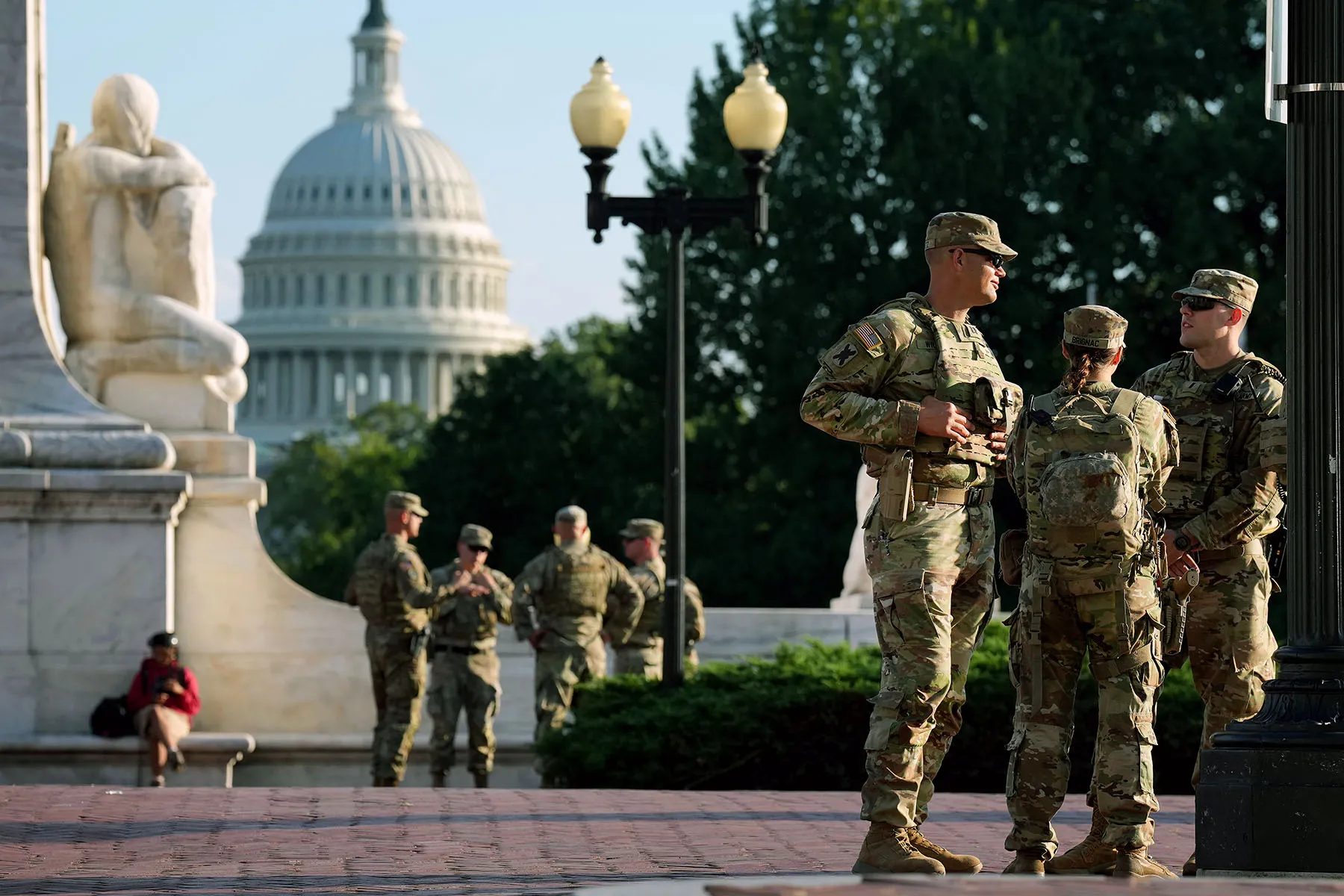
The Senate recently passed the final version of the 2026 defense bill with a vote of 77-20. This significant piece of legislation authorizes a record $900 billion in military spending, surpassing the initial request by President Donald Trump’s budget by $8 billion. The bill has sparked considerable debate among lawmakers, with varying perspectives on its content and implications.
Key Provisions and Reactions
House Speaker Mike Johnson, a Republican, emphasized that this year's National Defense Authorization Act (NDAA) aligns with President Trump and Republicans' "Peace Through Strength Agenda." He highlighted several key aspects, including codifying 15 of President Trump’s executive orders, ending "woke ideology" at the Pentagon, securing the border, revitalizing the defense industrial base, and restoring the warrior ethos.
However, not all lawmakers shared this enthusiasm. Democratic Rep. John Garamendi of California criticized the bill, stating that it focused on the wrong priorities. He accused Trump and Defense Secretary Pete Hegseth of deploying troops to streets, carrying out extrajudicial killings, and undermining military readiness. Garamendi called for Congress to reassert its oversight and ensure accountability rather than simply providing handouts to Trump.
Process and Structure of the NDAA
The NDAA is a critical piece of legislation that outlines the military’s values and strategic priorities. While it does not provide actual budget authority or spending for programs, it sets the stage for future appropriations acts. The bill has been passed for over six decades, largely due to the exclusion of deeply partisan provisions. However, this year saw heated debates over culture war issues such as diversity, equity, and inclusion (DEI) programs, critical race theory, abortion-related travel, drag queen shows, and vaccine mandates.
The process involved months of negotiations, with the House passing its version on September 10 and the Senate following on October 9. After considering hundreds of amendments, the House passed its final compromise version on December 10, and the Senate did so a week later. The 3,086-page bill now awaits the president’s signature.
Notable Provisions in the Final Bill
Reproductive Health Care
TRICARE, the health care program for active-duty and retired members of the Armed Services, will only cover fertility services, including in vitro fertilization (IVF), for service members whose infertility was caused by “a serious or severe illness or injury while on active duty.” A provision requiring TRICARE coverage of fertility services for all service members and their families was removed in final negotiations despite bipartisan support in earlier versions.
Democratic Rep. Sara Jacobs of California, who championed the IVF provision, expressed disappointment. She highlighted the challenges faced by military families, including higher rates of infertility due to demanding schedules, long deployments, and exposure to hazardous environments. Jacobs shared the story of an Army wife who tried nine rounds of intrauterine insemination and was told her husband’s infertility was due to his service, but TRICARE wouldn’t cover IVF.
Diversity, Equity and Inclusion
Each of the five military branches will be required to restore service-level women’s initiative teams, some of which were disbanded when Secretary of Defense Pete Hegseth called for the end of DEI initiatives. These teams will address issues that hinder women’s service and support recruiting and retention. However, the secretary of defense is prohibited from maintaining a DEI office or employing a chief diversity officer.
Service academies are now prohibited from considering race, sex, color, ethnicity, national origin, or religion in admissions decisions. The final version repealed existing DEI mandates, reflecting Hegseth’s vision to shift the military’s culture away from what he called “woke garbage” to a “warrior ethos.”
LGBTQ+ Care and Participation
Transgender women enrolled at U.S. service academies can no longer participate in athletic programs designated for women. The final version did not include many anti-LGBTQ+ provisions that were added in early versions, such as a ban on Defense Department funding for gender-affirming surgeries. However, one anti-trans provision remained, prompting criticism from the Congressional Equality Caucus.
Support for Military Families
All branches of the military will be required to set clear policies exempting service members from performance evaluations during parental leave, allowing them to take leave within two years of a child’s birth or adoption. The bill also includes a 3.8 percent pay increase across the board and reauthorizes and expands military bonuses. Additionally, it brings a 4.2 percent average increase to housing allowances.
More than $491 million is authorized for the construction of new child care centers and more than $200 million for new schools for service members’ children and dependents. Despite these efforts, there were no amendments addressing the high military spouse unemployment rate, which has remained significantly higher than the national civilian rate for over a decade.

Post a Comment for "Senate Passes $900 Billion Defense Bill: Key Details Revealed"
Post a Comment