Rob Reiner: Beyond Hollywood, A Political Force in California
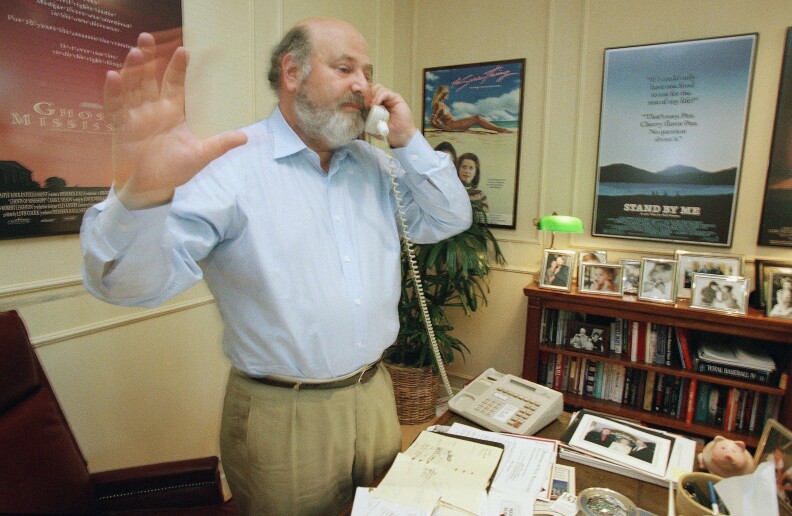
Rob Reiner, a name synonymous with Hollywood and its golden era, left an indelible mark not only on the film industry but also on California’s political landscape. Known for his work as an actor, director, and producer, Reiner's legacy extends beyond his cinematic achievements to include significant contributions to social justice and early childhood development.
Reiner, who was 78 years old, passed away along with his wife, Michele Singer Reiner, in their Brentwood home. The tragedy unfolded when their son, Nick Reiner, was arrested and charged with their murder. This shocking event has sent ripples through both the entertainment world and the political community, especially given the close ties Reiner had with various figures in California politics.
As a long-time Democratic activist, Reiner played a pivotal role in the legalization of same-sex marriage in California. He was also instrumental in establishing First 5, a program aimed at supporting early-childhood development across the state. His involvement in these initiatives showcased his commitment to social equity and public welfare.
Former California Governor Gray Davis shared his memories of Reiner, highlighting their friendship that spanned over three decades. Davis recalled how Reiner invited him to the set of "A Few Good Men" in 1991, where he got to witness the magic of filmmaking firsthand. Later, their paths crossed again when Reiner's Proposition 10 initiative led to the creation of a tobacco tax that funded the First 5 program.
Davis noted that Reiner was not just a talker but a doer, always ready to take action and support causes he believed in. He was appointed to chair the California Children and Families Commission, where he worked diligently until allegations arose regarding the use of taxpayer funds for his own initiatives.
Mike Roos, a former California legislator, shared similar sentiments about Reiner's deep love for his children. He emphasized the emotional impact of the tragedy, particularly considering the struggles that Reiner's son, Nick, faced. Roos spoke about the profound connection Reiner had with his family and the broader community.
Reiner's influence extended to the American Foundation for Equal Rights, where he helped fund the legal battle against Proposition 8, which banned same-sex marriage in California. The U.S. Supreme Court eventually overturned this decision, marking a significant victory for LGBTQ+ rights.
Kris Perry, a lead plaintiff in the case that overturned Proposition 8, praised Reiner's unwavering support during the five-year legal battle. She highlighted his dedication to the cause, noting that he consistently advocated for the plaintiffs and brought attention to their fight for equality.
Governor Gavin Newsom acknowledged Reiner's contributions to both the film industry and society at large. He praised Reiner's ability to inspire generations through his work and his commitment to making California a better place.
Despite his many accomplishments, Reiner's life was not without controversy. He donated substantial amounts to Democratic causes, including a contribution to Joe Biden's re-election campaign. However, he later urged Biden to step down, advocating for a younger candidate to lead the party.
Not everyone held Reiner in high regard. President Donald Trump criticized Reiner, calling him a "tortured and struggling but once very talented movie director and comedy star." Trump's post, which linked Reiner's death to a fictional condition, sparked outrage among many, including Democratic Representative Laura Friedman.
Friedman, a former film and television producer, expressed her dismay at Trump's comments. She highlighted Reiner's values of kindness and compassion, contrasting them with Trump's divisive rhetoric. She noted that Reiner used humor to bring people together, often in a gentle and loving manner.

Post a Comment for "Rob Reiner: Beyond Hollywood, A Political Force in California"
Post a Comment