Pentagon Catches Up to Iran by Copying Its Drones
The United States Military's Technological Catch-Up
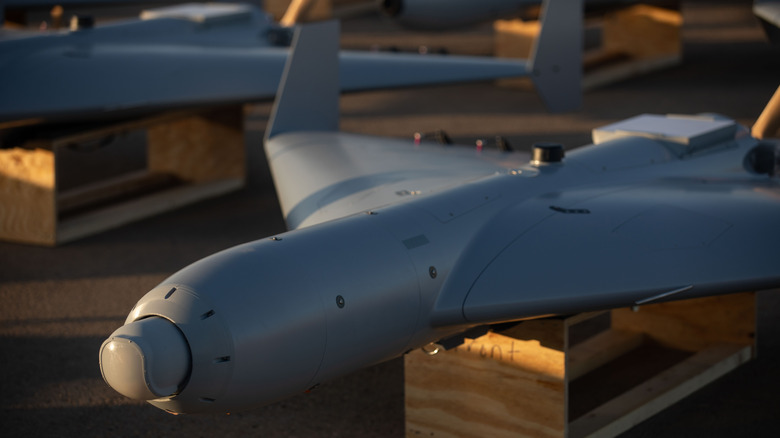
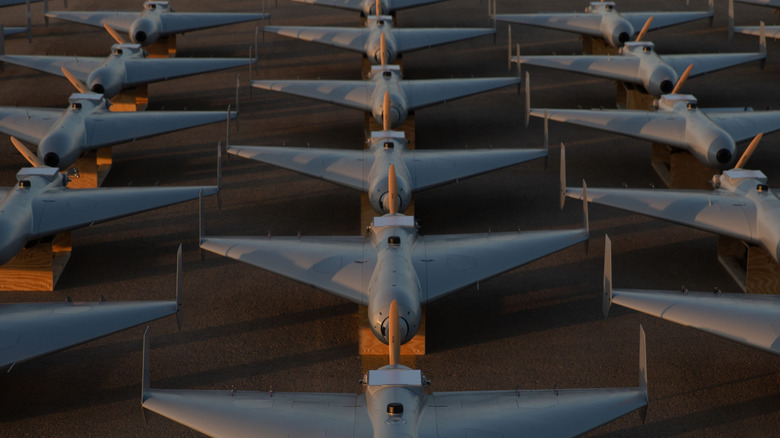
The United States military, the most well-funded armed force globally, is currently in a race to match the technological advancements of its adversaries. Surprisingly, one of these adversaries is Iran. Recently, the Pentagon introduced a delta-wing drone called the Low-Cost Uncrewed Combat Attack System (LUCAS), developed by SpektreWorks. This drone has raised eyebrows because it was reverse-engineered from captured Iranian Shahed-136 drones, which Russia is using in Ukraine. This development highlights a significant realization: America's adversaries have adapted more effectively to modern warfare than the Pentagon has.
If you can't ace the test yourself, copying the other person's answers might be the way to go.
The Evolution of Drone Warfare
While the United States pioneered drone warfare during the War on Terror, the focus was initially on large and expensive platforms like the MQ-1 Predator and its successor, the MQ-9 Reaper. However, recent conflicts, such as those in Ukraine, have demonstrated the effectiveness of smaller, cheaper designs, many of which are "kamikaze" drones not intended to return after their missions. The Shahed drone exemplifies this trend, capable of flying over 1,200 miles with an 88-pound warhead at a top speed of 115 mph. Although somewhat unreliable, these drones are cost-effective at $35,000 each, allowing for mass production and deployment in large numbers. Russia has been utilizing its own version of these drones, overwhelming Ukrainian defenses.
LUCAS: A Step Forward or a Temporary Solution?
LUCAS also costs $35,000, but it may not be as advanced as the original Iranian design. SpektreWorks also produces a dummy drone based on the Shahed-136 called the FLM 136, which can only fly for 450 miles with a 40-pound warhead. If LUCAS shares these specifications, it would be significantly less capable than the Shahed, despite being developed in the world's most technologically advanced country. This situation could be attributed to economic factors: manufacturing in the U.S. is costly, so to match the price point, some capabilities must be sacrificed.
Deployment and Future Plans
LUCAS has already been deployed to the Middle East as part of the newly established Task Force Scorpion Strike (TFSS). This initiative under Special Operations Command aims to shift focus towards drone warfare specifically. The exact number of troops in this task force and the number of LUCAS drones they possess remains unclear, but it is likely that the deployment is more symbolic than a genuine threat. The Pentagon hopes this small start will lead to a larger transformation in drone warfare strategy.
The plan is for this design to be manufactured by multiple companies, according to the War Zone. This aligns with the Defense Department's broader effort to increase domestic drone production. The challenge lies in determining the right mix of drones. Fighter jet-style "loyal wingman" drones are also in development, but they come with a high price tag of millions of dollars each. Historically, the U.S. military has favored large, expensive weapons projects, and the defense industry benefits from these contracts. The question remains: how much should this mindset change?
Ukraine's Countermeasures
Meanwhile, Ukraine is actively developing methods to counter the Shahed drone. With support from European manufacturers, the country is deploying ramming drones to intercept and destroy these threats. While $35,000 may seem affordable to the Pentagon, Ukraine is mass-deploying $500 FPV drones on the battlefield. These drones have even been used to strike one-third of Russia's strategic bomber fleet, among the most expensive aircraft in its arsenal.
The Future of Drone Warfare
Is America, the country that invented drone warfare, ready for the next phase of drone conflict? For now, the answer seems to be no. However, change is inevitable. The ongoing developments in drone technology and strategies indicate that the landscape of modern warfare is rapidly evolving, and the U.S. military must adapt to stay ahead.

Post a Comment for "Pentagon Catches Up to Iran by Copying Its Drones"
Post a Comment