New Traffic Tech Under Review by Vermont Lawmakers
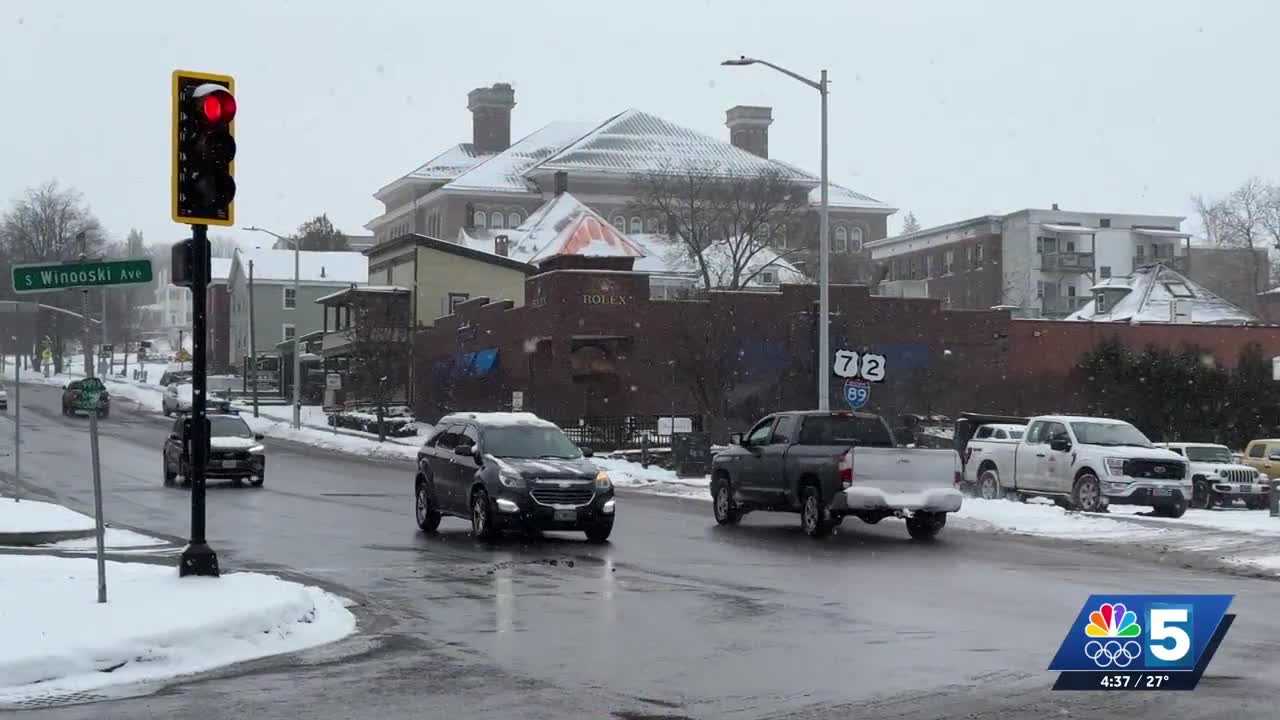
Enhancing Traffic Enforcement in Burlington
The city of Burlington is exploring new ways to improve its traffic enforcement, with a focus on implementing license plate reader technology. This initiative is one of four key priorities outlined by Mayor Emma Mulvaney-Stanak and the city councilors for 2026. The goal is to address traffic violations more efficiently while optimizing the use of limited police resources.
Mayor Mulvaney-Stanak emphasized that using license plate readers could be a more effective solution than relying on police officers for low-level traffic stops. She explained, "As we look at the city of Burlington, about the best, most effective use of our limited police officer headcount, it's not actually doing low-level traffic stops like when people run a spotlight or run a stop sign. But, it's still dangerous and it's still important that there be some level of accountability."
Addressing Traffic Safety Concerns
Shawn Burke, the interim Burlington police chief, highlighted the need for improved traffic safety on certain roads in the city. He mentioned that the Department of Motor Vehicles (DMV) enforcement team has been monitoring Route 127 during morning and evening commute hours. According to Burke, the data collected suggests that there is a significant traffic safety issue on this road.
Burke noted that license plate reader technology could help address these concerns, but he is waiting for state lawmakers to tackle privacy issues when they reconvene for the legislative session in January. "That way, all the committee work could potentially hear all those concerns and think about ways in which that information can be safeguarded," he said.
Previous Legislative Efforts
This isn't the first time lawmakers have considered traffic enforcement technologies. Andrew Perchlik, a senator from Washington County and member of the transportation committee, shared that his committee previously approved a pilot program to test automatic traffic law enforcement in work zones. "We approved this, and they had got some federal money to run it," Perchlik said.
However, the trial never launched due to logistical challenges. At the time, even the American Civil Liberties Union (ACLU) testified in support of the initiative. Perchlik explained that the proposed technology would differ from license plate readers in several ways:
- Only capture vehicles committing a traffic violation
- Not include the driver in the photo
- Send the photo to police to review and pull the license plate info
- Not store the images or share data
"If an officer can look at it right away, you can just have it deleted as soon as an officer looks at it," Perchlik said. He added that first-time offenders would likely receive a warning followed by higher penalties for further violations.
Proposing a Three-Year Pilot Program
Perchlik is planning to propose a three-year pilot program for communities to test the technology. "If we like it, if people aren't opposed to it and it's been successful in lowering accidents and making the roads safer and not diverting law enforcement to traffic enforcement, then we could extend it for more time," he said.
He also plans to introduce a bill allowing municipalities to participate in the test run, provided there is a voter-approved charter change. This approach aims to ensure community support and transparency.
A Message of Accountability
Mulvaney-Stanak expressed hope that if the technology is approved, it will send a clear message that Burlington will hold individuals accountable for following traffic laws. "People need to abide by traffic law," she said.
As the city moves forward with these initiatives, the focus remains on improving traffic safety while respecting privacy and ensuring efficient use of law enforcement resources. The upcoming legislative session will play a crucial role in shaping the future of traffic enforcement in Burlington and beyond.

Post a Comment for "New Traffic Tech Under Review by Vermont Lawmakers"
Post a Comment