"Mar-a-Lago Face" Divides All Politicians
In the early days of what many consider to be a new era in American politics, the focus has shifted from pressing national issues to something far more superficial: the so-called "Mar-a-Lago face." This term, which has taken on a life of its own on social media, refers to a specific aesthetic that has become a point of contention and mockery. It's not just about looks; it's about how these appearances are being used as a distraction from the real issues at hand.
The trend is characterized by tight skin, lifted cheeks, and pursed lips—features commonly associated with individuals who have undergone cosmetic procedures such as Botox or dermal fillers. The term has been applied to several high-profile women, including Melania Trump, Karoline Leavitt, Lauren Sanchez, and Kristi Noem. While some may see this as a personal choice, others view it as a reflection of the pressures placed on women in public life.

This aesthetic has become more than just a style—it's a cultural phenomenon that has found its way into mainstream discourse. Talk shows now feature segments that mock these appearances, often accompanied by canned laughter. The attention given to these women's looks overshadows their political roles and policies, turning them into targets for ridicule rather than serious discussion.
One recent example is the viral post by Vanity Fair that featured an unflattering photo of Karoline Leavitt, the White House press secretary. The image focused on every detail of her face, sparking widespread online conversation. While the post brought Leavitt into the spotlight, it also diverted attention from her political stances and actions.
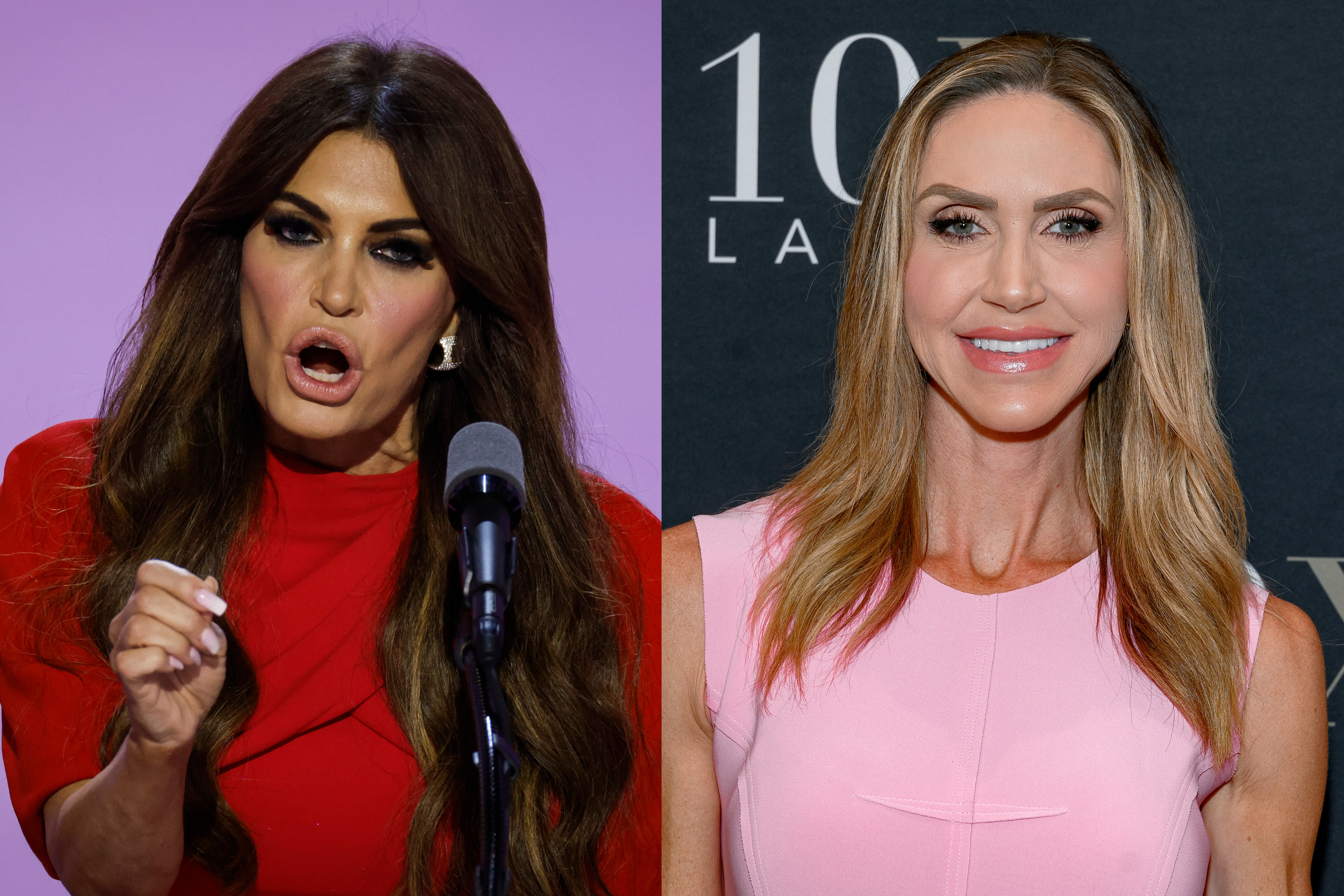
According to Dr. Ahmed El Muntasar, a leading aesthetics doctor, the "Mar-a-Lago face" represents a hyper-feminine look that includes high cheekbones, plump lips, and a lifted nose. Achieving this look often requires a combination of treatments such as dermal fillers, laser skin treatments, microneedling, and radio frequency. Additionally, maintaining this appearance involves other elements like manicures, pedicures, fashion, and hair styling. Dr. El Muntasar suggests that the pressure to look put together may play a role in the popularity of this aesthetic.
The trend has even made its way into television, where shows like Have I Got News For You US have created segments that compare the pre-Mark-a-Lago appearances of women in the Trump sphere to their current looks. These comparisons often lead to harsh criticism, with some viewers questioning whether the changes are genuine or the result of cosmetic enhancements.
Comments on social media reflect a mix of skepticism and mockery. One user wrote, "She can't possibly believe in her heart that she looks better now," while another remarked, "There's some pretty bad ones but I can't think of any worse than Laura Loomer. I didn't even know who she was till people started calling her jigsaw." Another comment stated, "It looks like a bad reaction to bee stings or shellfish."
However, this fixation on appearance goes beyond mere humor. It highlights a deeper issue: the way women are often judged based on their looks rather than their actions or policies. This trend serves as a distraction from the real challenges facing the country, including threats to democracy, climate change, and women's rights.
While it's important to critique the policies of those in power, the focus on physical appearance reduces complex issues to trivial matters. Women in positions of influence are often scrutinized for their looks, reinforcing harmful stereotypes and discouraging others from pursuing political careers.
The global aesthetics industry, valued at over $14 billion, thrives on these perceptions. As long as society continues to prioritize appearance over substance, the cycle will persist. It's time to shift the conversation back to the issues that truly matter, rather than allowing distractions like "Mar-a-Lago face" to dictate the narrative.
As the country navigates the early days of this new administration, it's crucial to remember that the real challenges lie in protecting democratic values, addressing climate change, and ensuring equal rights for all. Focusing on appearances only serves to undermine these efforts and distract from the urgent work that needs to be done.

Post a Comment for ""Mar-a-Lago Face" Divides All Politicians"
Post a Comment