Jon Batiste's Symphony Show Spoke Volumes Without a Word on Politics
A Celebration of Unity Through Music
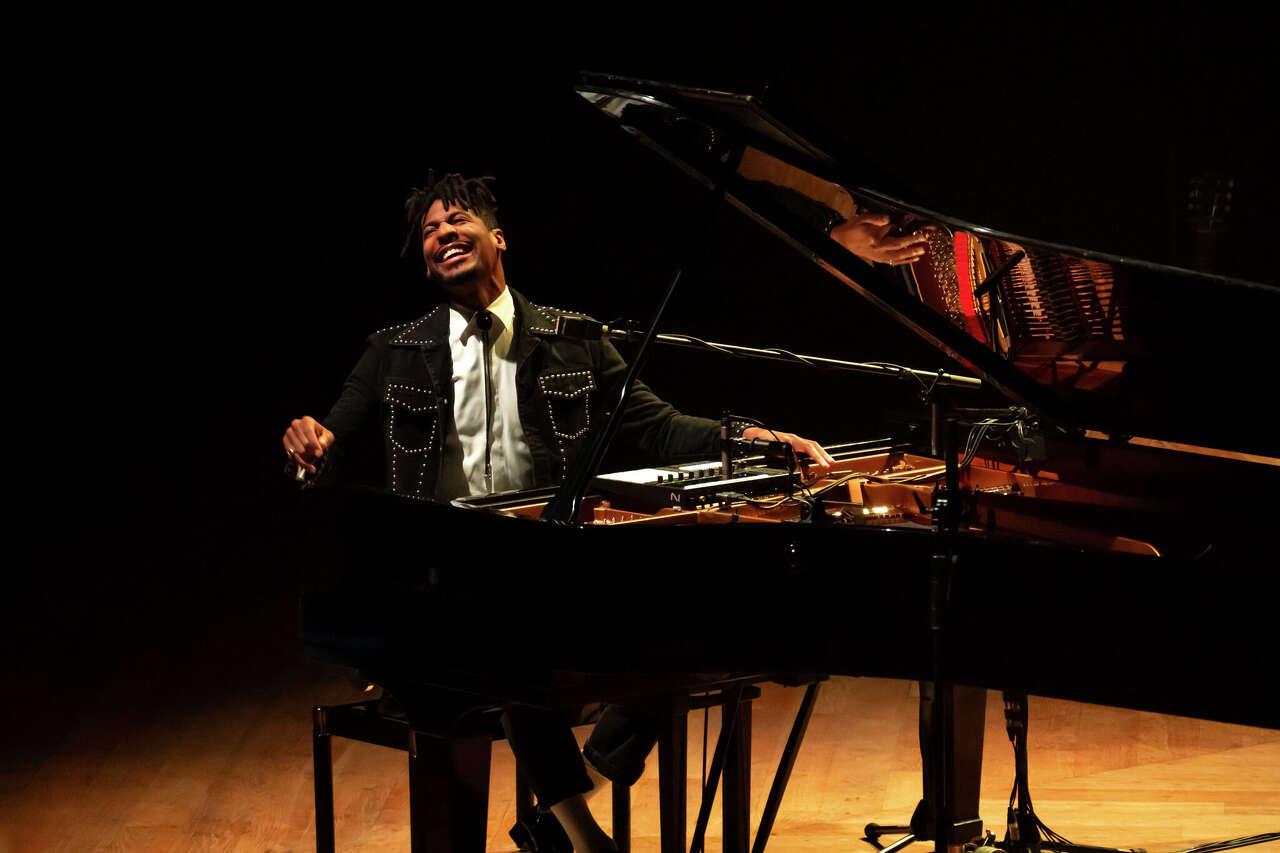
In a time marked by political division and societal unrest, Jon Batiste is redefining what it means to be a musician who brings people together. The New Orleans-based pianist, vocalist, and melodica maestro recently performed with the San Francisco Symphony at Davies Symphony Hall, offering a performance that transcended traditional boundaries and emphasized the power of music as a unifying force.
Batiste's show, which was sold out, featured a diverse range of musical styles, from blues and Beethoven to soul, Christmas carols, jazz, gospel, and standards. His performance was not just a concert but a celebration of how different genres can come together to create something meaningful. "We play all the different types of music for an allegory of how we can all be together," he told the audience, highlighting the deeper message behind his performance.
A Bold Opening and a Powerful Message
Batiste opened the show with a section from his "American Symphony," transforming "America the Beautiful" into an ominous film noir soundscape. The piece featured growling brass and skittering strings, creating a powerful atmosphere that set the tone for the evening. As the timpani chimed three times at the movement's conclusion, it was clear that Batiste was making a statement about the state of the nation.
Unlike many of his contemporaries who focus on obscure or forgotten songs, Batiste chooses to perform popular music that has stood the test of time. He embraced sentimentality and boldness, delivering heartfelt renditions of classic songs like Hoagy Carmichael's "Georgia" and "What a Wonderful World." His original songs, such as "Freedom," are designed to be sing-along anthems, and the audience eagerly joined in throughout the night.
A Mix of Styles and Collaborations
A solo piano medley began with Scott Joplin's "The Entertainer," transitioning smoothly into "Hark! The Herald Angels Sing." While the San Francisco Symphony musicians were present for much of the performance, they were underutilized, with only brief moments where they could shine. The orchestra, conducted by Jonathan Taylor Rush, had limited opportunities to showcase their talents.
Batiste relied heavily on his own sextet, particularly bassist Phil Kuehn and drummer Joe Saylor, who have been part of his Stay Human band for years. Saylor's revival-meeting tambourine beat often served as the primary foil for Batiste's performance.
A Momentum Shift and Crowd-Pleasing Moments
An unnecessary intermission disrupted the flow of the concert, but the second set quickly picked up with a swinging medley of "God Rest Ye Merry Gentlemen" and "When the Saints Go Marching In." This performance was a crowd-pleaser, showcasing Batiste's ability to connect with his audience through familiar and beloved songs.
His collaboration with the San Francisco Symphony worked best on Bill Withers' "Ain't No Sunshine," although the performance felt abrupt, leaving room for more emotional depth. As the Symphony musicians left the stage to an ovation, the sextet returned for an encore that hinted at the different directions the evening could have taken.
A Memorable Conclusion
Batiste closed the show with a rendition of "My Favorite Things" on melodica, prompting the audience to join in singing the chorus. His unexpected cover of Suzanne Vega's "Tom's Diner" was a standout moment, followed by a brief percussion workout that ended the concert on a high note.
After covering so much musical terrain with generosity and panache, Batiste gave the audience a final sure-fire benediction, complete with more cowbell. The performance was a testament to his vision of music as a unifying force, proving that even in a divided world, art can bring people together.

Post a Comment for "Jon Batiste's Symphony Show Spoke Volumes Without a Word on Politics"
Post a Comment