Jared Isaacman Named NASA Chief After Monthslong Battle
A New Era for NASA
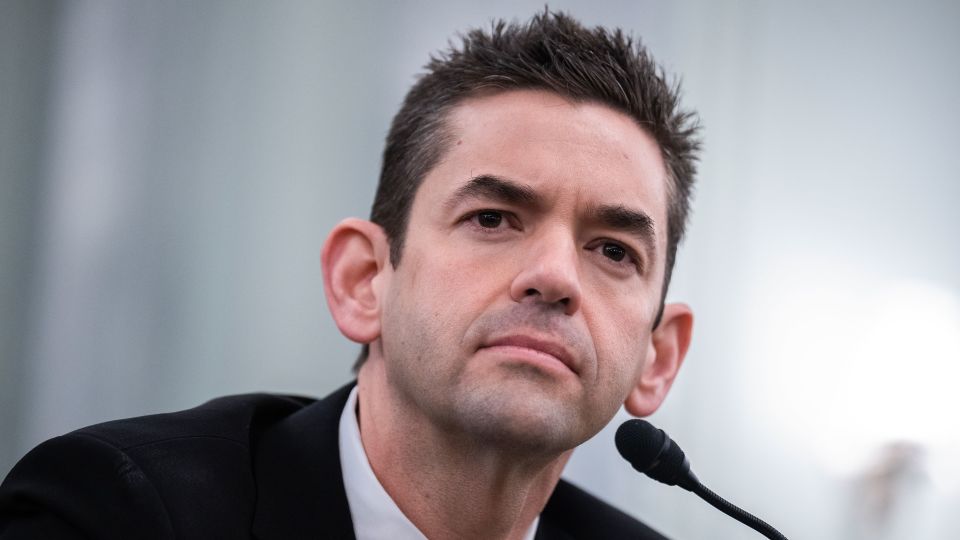
After a monthslong saga, the appointment of tech billionaire Jared Isaacman as the new head of NASA has finally been confirmed by the Senate in a 67-to-30 vote. This decision marks a significant shift in leadership for the space agency, which is set to embark on one of its most ambitious missions yet: Artemis II. This mission will send four astronauts around the moon, marking the farthest humans have traveled since the Apollo program ended in 1972.
Isaacman, the CEO of payments company Shift4 and a private astronaut, was initially selected by former President Donald Trump in late 2024. His nomination was met with both excitement and concern within the space industry. Supporters see him as a potential game-changer, while critics raise questions about his potential conflicts of interest.
A Visionary in Space
Since founding Shift4 at the age of 16, Isaacman has made a name for himself in the space industry by funding experimental flights to Earth orbit. He has flown to space twice, both times in partnership with Elon Musk’s SpaceX. These experiences have earned him a reputation as a bold risk-taker who is helping to drive the space industry toward private-sector enterprise.
His supporters believe that as the head of NASA, Isaacman will foster competition among space companies, push them to align with NASA’s goals, and focus the agency on cutting-edge technologies. However, his appointment is not without controversy.
Controversies and Concerns
Some lawmakers have raised concerns about Isaacman’s deep ties to SpaceX. Senator Edward Markey, a Democrat from Massachusetts, criticized SpaceX for refusing to disclose how much money Isaacman paid for his flights to space. He called the situation “extremely suspicious” and suggested that there may be elements of corruption.
Recent financial disclosures reveal that Isaacman’s ongoing deal with SpaceX for a program called Polaris is worth over $50 million. Additionally, he reported more than $5 million in capital gains from an investment in the company.
During a December confirmation hearing, Isaacman tried to downplay his associations with Musk, stating that his relationship with SpaceX is similar to that of NASA itself. However, some senators remain skeptical about his connections.
On-again, Off-again Appointment
Isaacman’s first nomination to the role of NASA chief was rescinded due to a falling out between Trump and Musk earlier this year. However, his appointment was reinstated in November as their relationship appeared to improve.
During his second confirmation hearing, Isaacman faced scrutiny over the Project Athena document—a 62-page outline of his plans for NASA that was recently leaked. The proposals include revamping some NASA centers, establishing a Mars exploration program, and adopting an “accelerate/fix/delete” philosophy to reshape the agency.
Some senators, like Andy Kim from New Jersey, were concerned about parts of the document that suggest cutting NASA civil servant jobs. Kim initially supported Isaacman but later changed his stance.
Political Donations and Neutrality
Isaacman also faced questions about how he regained favor with Trump after being on the outs for months. During the hearing, Sen. Gary Peters noted that Isaacman had donated roughly $2 million to Trump’s Super PAC. Isaacman explained that he made the donations as he briefly considered a political career earlier this year.
Despite this, Isaacman has maintained a more neutral stance on politics compared to Musk, who has taken a strong right-wing turn. Isaacman has expressed a desire to be a unifier rather than a divider, aligning with the traditional approach of NASA administrators who work with lawmakers on both sides of the aisle.
An Unorthodox Leader
NASA administrators are typically selected from a pool of scientists, engineers, or public servants. Isaacman, as a tech entrepreneur, is an atypical leader for the agency. While he has faced criticism from some in the science community, he has also received support from exploration advocates who believe NASA needs a changemaker at its helm.
A coalition of 36 former NASA astronauts supported Isaacman’s appointment, citing his passion for space exploration and admiration for NASA as an American institution. Current acting administrator Sean Duffy, who also serves as Trump’s Transportation Secretary, congratulated Isaacman on his new role.
With Artemis II just weeks away, Isaacman’s leadership will be closely watched as NASA prepares to return to the Moon in 2028 and compete with global space powers.

Post a Comment for "Jared Isaacman Named NASA Chief After Monthslong Battle"
Post a Comment