How to Use Zoom Breakout Rooms for Effective Meetings
Zoom Breakout Rooms: Supercharge Your Meetings and Collaboration
Hey there, fellow meeting-goers! Let's be honest, how many times have you zoned out during a seemingly endless Zoom meeting, secretly wishing you were anywhere else? We've all been there, battling the dreaded "Zoom fatigue" and struggling to stay engaged. It's like staring into a digital abyss, where ideas go to die a slow, silent death. But what if I told you there's a way to inject some serious energy and productivity into those virtual gatherings?
Imagine this: You're in a Zoom meeting with 20 people, and someone proposes a brainstorming session. Suddenly, visions of awkward silences and disorganized chatter fill your mind. You brace yourself for another hour of politely nodding while secretly checking your emails. But then, the host utters those magical words: "Let's break out into smaller groups!" A collective sigh of relief sweeps across the virtual room. Suddenly, you're in a smaller, more intimate setting, where you can actually hear yourself think (and speak!). Ideas start flowing, collaboration blossoms, and the meeting transforms from a soul-crushing chore into a productive and even enjoyable experience.
That, my friends, is the power of Zoom Breakout Rooms. They're like tiny virtual meeting pods that can revolutionize the way you collaborate online. Think of them as the digital equivalent of grabbing a coffee with a smaller group of colleagues to hash out ideas, strategize, or simply connect on a more personal level. But how do you actuallyusethese magical rooms to their full potential? That's what we're here to explore today. Get ready to ditch the Zoom fatigue and unlock a whole new level of meeting effectiveness. Let's dive in and discover how to transform your Zoom meetings from snooze-fests to dynamic, collaborative powerhouses!
How to Use Zoom Breakout Rooms for Effective Meetings
Alright, let's get down to business. We're going to walk through how to use Zoom Breakout Rooms like a pro. Trust me, it's easier than you think, and the payoff in terms of meeting productivity and engagement is HUGE. We'll cover everything from setting them up to managing them effectively and even some tips for making the most of your breakout sessions. Think of me as your friendly guide to Breakout Room bliss. Let's go!
Setting Up Your Breakout Rooms
Before you can unleash the power of Breakout Rooms, you need to know how to set them up. Don't worry, it's not rocket science. Here's the lowdown:
• Enabling Breakout Rooms: First things first, you need to make sure Breakout Rooms are enabled in your Zoom settings. Head over to your Zoom web portal, navigate to Settings, then In Meeting (Advanced), and make sure the "Breakout Room" option is toggled on. You'll also want to check the box that says "Allow host to assign participants to breakout rooms when scheduling." This will save you a ton of time later.
Why is this important? Because without enabling Breakout Rooms, the option simply won't appear during your meetings. It's like trying to bake a cake without an oven. You'll just end up with a mess.
• Scheduling with Breakout Rooms: When scheduling your meeting, you can pre-assign participants to specific Breakout Rooms. This is especially handy if you know you want specific groups working together on particular tasks. In the scheduling window, click on "Breakout Room pre-assign." From there, you can create rooms, name them, and add participants directly.
Imagine you're planning a project meeting where different teams are responsible for different aspects. Pre-assigning Breakout Rooms allows each team to immediately jump into their focused discussion without wasting valuable meeting time on organization.
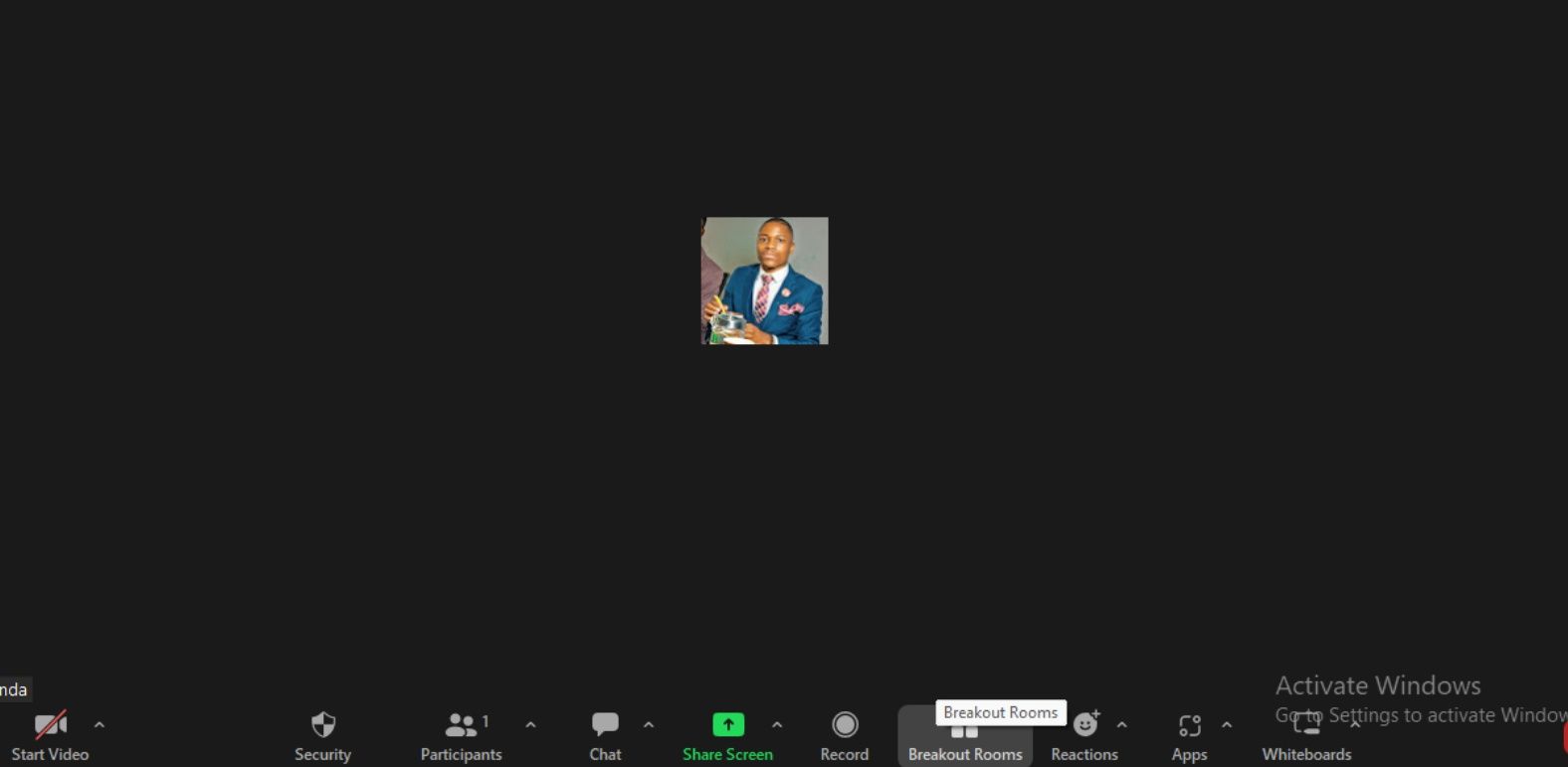
• Creating Rooms During a Meeting: Sometimes, you need to be spontaneous. If you didn't pre-assign rooms, no problem! During your meeting, click on the "Breakout Rooms" icon in the meeting controls. A window will pop up allowing you to create rooms, choose the number of participants per room, and decide whether to assign participants automatically or manually.
This is perfect for those moments when a discussion takes an unexpected turn and you need to quickly form groups to address a specific issue. It's like being able to adapt your meeting on the fly, ensuring that every conversation stays relevant and productive.
• Automatic vs. Manual Assignment: Zoom gives you two main options for assigning participants: automatically and manually. Automatic assignment randomly distributes participants into rooms, which is great for general brainstorming or networking. Manual assignment lets you choose exactly who goes into each room, which is ideal for specific project teams or skill-based groups.
Think of automatic assignment as the "speed dating" of Zoom meetings, while manual assignment is more like carefully curating a dinner party seating arrangement. Each has its own advantages depending on your meeting objectives.
Managing Your Breakout Rooms Like a Boss
Setting up the rooms is only half the battle. Now you need to manage them effectively to ensure everyone stays on track and engaged. Here's how:
• Setting a Timer: Time is precious! Set a timer for each Breakout Room session to keep participants focused. When creating or managing your Breakout Rooms, you can specify how long each session should last. Participants will see a countdown timer in their room, reminding them when the session is about to end.
This is like having a virtual timekeeper who gently nudges everyone to stay on schedule. It prevents discussions from meandering aimlessly and ensures that you cover all the necessary topics within the allotted time.
• Broadcasting Messages: Need to send a message to all Breakout Rooms simultaneously? No problem! Use the "Broadcast a message to all" feature to send announcements, reminders, or updated instructions to everyone in the Breakout Rooms.
Imagine you need to clarify a task or provide additional information to all the groups. Broadcasting a message is like having a virtual PA system, allowing you to communicate efficiently with everyone without interrupting their discussions.
• Jumping Between Rooms: As the host, you have the power to jump between Breakout Rooms to check on progress, answer questions, or provide guidance. This is a great way to stay informed about what's happening in each room and ensure that everyone is on the right track.
Think of yourself as a virtual supervisor, popping into each room to offer support and ensure that everything is running smoothly. It's like being able to monitor multiple conversations at once, providing assistance where needed and keeping everyone engaged.
• Ending Breakout Rooms: When the timer runs out, or when you're ready to bring everyone back to the main session, click on the "Close All Rooms" button. Participants will receive a 60-second warning before being automatically returned to the main meeting.
This is like the final bell ringing at the end of class. It signals that the Breakout Room session is over and it's time to reconvene as a group. The 60-second warning gives participants a chance to wrap up their discussions and prepare to share their findings with the rest of the group.
Tips for Maximizing Breakout Room Effectiveness
Now that you know the basics of setting up and managing Breakout Rooms, let's talk about how to make them truly effective. Here are some tips to help you supercharge your Breakout Room sessions:
• Clear Objectives: Before sending participants into Breakout Rooms, make sure they understand the purpose of the session. Provide clear objectives and instructions, so everyone knows what they're supposed to be working on.
This is like giving everyone a roadmap before they set off on a journey. It ensures that everyone is heading in the same direction and that they're equipped with the tools and knowledge they need to reach their destination.
• Assign Roles: Assigning roles within each Breakout Room can help keep the discussion organized and ensure that everyone participates. Consider assigning roles like facilitator, note-taker, and spokesperson.
This is like forming a mini-team with clearly defined responsibilities. It ensures that everyone has a role to play and that the discussion stays focused and productive.
• Provide Discussion Prompts: To help spark conversation and keep participants on track, provide discussion prompts or questions to guide the Breakout Room session.
This is like providing a set of guiding principles or a framework for the discussion. It helps participants stay focused on the key issues and ensures that they address all the relevant topics.
• Encourage Participation: Create a safe and inclusive environment where everyone feels comfortable sharing their ideas. Encourage participants to speak up and actively contribute to the discussion.
This is like creating a virtual think tank where everyone feels valued and respected. It encourages open communication and fosters a collaborative spirit.
• Debrief After Breakout Rooms: After the Breakout Room sessions, bring everyone back to the main meeting and debrief on what was discussed. Have each group share their key findings, insights, and action items.
This is like sharing the results of a group project with the rest of the class. It allows everyone to learn from each other and ensures that the insights gained in the Breakout Rooms are integrated into the overall meeting objectives.
• Use Breakout Rooms for Different Purposes: Don't limit Breakout Rooms to just brainstorming sessions. Use them for a variety of purposes, such as icebreakers, team-building activities, problem-solving exercises, and focused discussions.
This is like having a versatile tool that can be used for a variety of different tasks. It allows you to adapt your meeting to the specific needs of the participants and ensures that everyone stays engaged and motivated.
Real-World Examples
Let's see how different industries can leverage Zoom Breakout Rooms:
• Education: Teachers can use Breakout Rooms for small group discussions, collaborative projects, and personalized tutoring. Imagine students working together on a science experiment in virtual labs, or discussing literature in smaller, more intimate groups.
This transforms the virtual classroom into a dynamic and engaging learning environment where students can collaborate, share ideas, and receive personalized attention.
• Business: Companies can use Breakout Rooms for team meetings, brainstorming sessions, and training workshops. Picture project teams strategizing on a new product launch, or sales teams practicing their pitches in a safe and supportive environment.
This creates a virtual workspace where teams can collaborate, innovate, and develop their skills in a focused and efficient manner.
• Non-profits: Non-profit organizations can use Breakout Rooms for volunteer training, fundraising events, and community discussions. Envision volunteers learning about a new initiative in smaller groups, or community members discussing local issues in a safe and inclusive forum.
This fosters a sense of community and engagement, allowing non-profit organizations to connect with their stakeholders and achieve their mission more effectively.
• Healthcare: Healthcare professionals can use Breakout Rooms for patient consultations, case studies, and peer support groups. Think of doctors discussing complex cases with specialists in smaller groups, or patients connecting with each other in supportive online communities.
This enhances patient care, facilitates knowledge sharing among professionals, and creates a supportive environment for those in need.
Common Mistakes to Avoid
Even with the best intentions, it's easy to make mistakes when using Breakout Rooms. Here are some common pitfalls to avoid:
• Not Providing Clear Instructions: This is probably the biggest mistake. If participants don't know what they're supposed to be doing in the Breakout Rooms, they'll just waste time.
Think of it as sending someone on a scavenger hunt without a map. They'll wander around aimlessly, frustrated and confused.
• Not Setting a Timer: Without a timer, Breakout Room sessions can easily run over time, disrupting the flow of the meeting.
It's like letting a pot of water boil over on the stove. It creates a mess and wastes valuable resources.
• Not Checking in on Participants: It's important to check in on participants in the Breakout Rooms to make sure they're on track and don't have any questions.
Imagine leaving a group of children unattended in a room. They might get into trouble, or simply lose interest in the activity.
• Not Debriefing After Breakout Rooms: Failing to debrief after Breakout Rooms means missing out on valuable insights and action items.
It's like conducting a survey and then never analyzing the results. You've gathered all this information, but you're not using it to improve your understanding.
• Overusing Breakout Rooms: Using Breakout Rooms too frequently can lead to Zoom fatigue. Use them strategically and only when they're truly necessary.
It's like eating too much of your favorite food. Eventually, you'll get sick of it.
Frequently Asked Questions
Let's tackle some frequently asked questions about Zoom Breakout Rooms:
• Question: Can I record Breakout Room sessions?
Answer: No, Zoom does not natively allow you to record Breakout Room sessions directly. However, you can ask participants in each room to take detailed notes and share them after the session.
• Question: How many Breakout Rooms can I create?
Answer: The number of Breakout Rooms you can create depends on your Zoom plan and the number of participants in your meeting. Generally, you can create up to 50 Breakout Rooms.
• Question: Can participants choose which Breakout Room they want to join?
Answer: Yes, you can enable the option for participants to choose their own Breakout Room. This is useful for self-organized discussions or networking events.
• Question: What happens if someone joins the meeting late?
Answer: If someone joins the meeting late, you can manually assign them to a Breakout Room or let them stay in the main session until you're ready to re-assign everyone.
In conclusion, Zoom Breakout Rooms are a powerful tool for enhancing meeting engagement and productivity. By following these tips and avoiding common mistakes, you can transform your Zoom meetings from dreaded obligations into dynamic and collaborative experiences. So go forth, experiment with Breakout Rooms, and unlock the full potential of your virtual gatherings!
So, are you ready to ditch the Zoom fatigue and embrace the power of Breakout Rooms? Start experimenting today and see how they can transform your meetings and collaborations. What are some creative ways you plan to use Breakout Rooms in your next Zoom meeting?

Post a Comment for "How to Use Zoom Breakout Rooms for Effective Meetings"
Post a Comment