House Blocks Efforts to Curb Trump's Venezuela and Drug Cartel Campaign
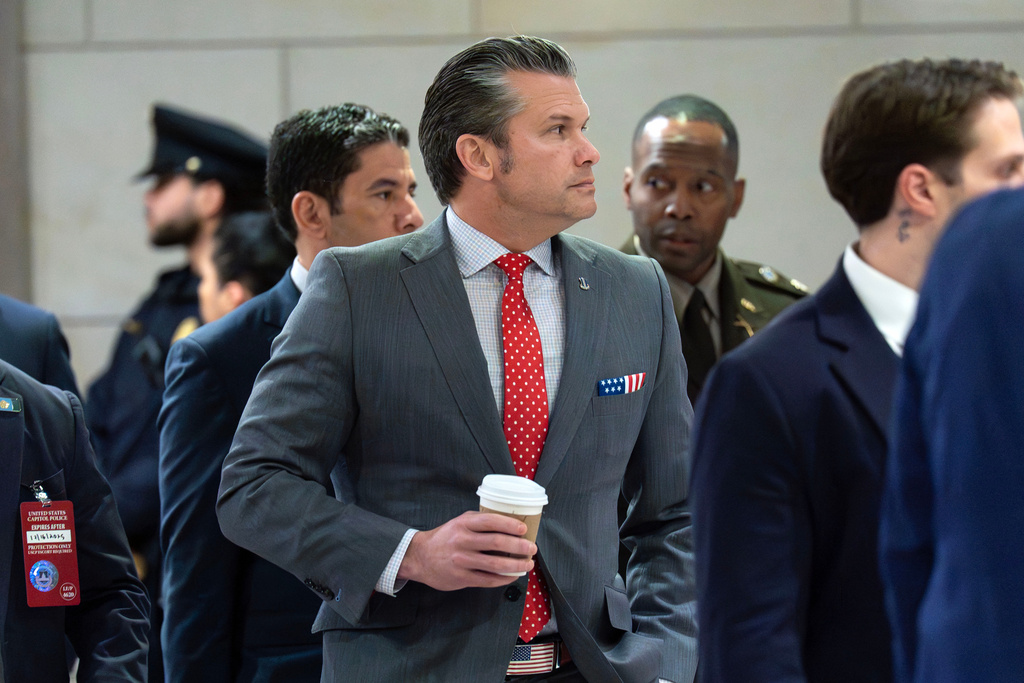
House Republicans Reject Democratic Resolutions on Military Action
In a significant development, House Republicans voted against two Democratic-backed resolutions that aimed to limit President Donald Trump's authority to deploy military force against drug cartels and the nation of Venezuela. The decisions were made despite ongoing concerns about the U.S. military's operations in the region, which have resulted in the destruction of 26 vessels suspected of carrying drugs and the deaths of at least 99 people.
The legislation in question would have required the Trump administration to obtain congressional approval before continuing attacks on cartels labeled as terrorist organizations or launching an attack on Venezuela itself. This move by Democrats was intended to spark a debate on the military campaign and compel Republicans to publicly express their support for it.
Rep. Gregory Meeks, the top Democrat on the House Foreign Affairs Committee, suggested that Trump's actions in the region might be motivated by a desire to access Venezuelan oil. This sentiment was echoed by other lawmakers who questioned the administration's motives behind its aggressive stance.
Congressional Scrutiny and Public Concerns
The recent military actions have drawn scrutiny from both parties, especially after a September 2 operation that killed two individuals who had survived an initial attack. This incident has raised serious questions about the accountability and transparency of the administration's actions.
Secretary of State Marco Rubio, Defense Secretary Pete Hegseth, and other national security officials met with Congress to discuss the campaign, emphasizing its success in reducing drug supply entering the U.S. However, they did not provide clarity on the administration's ultimate goals regarding Venezuela.
A Navy admiral involved in the September 2 strike also appeared before the House and Senate Armed Services Committees for classified briefings. Lawmakers' reactions varied, with Republicans largely supporting the decision-making process while Democrats expressed shock at the footage of the strike.
Sen. Richard Blumenthal, a Connecticut Democrat, called for a more intensive federal investigation into the incident, stating that there are serious questions about criminal culpability. Rep. Seth Moulton, a Massachusetts Democrat and former Marine, voiced concerns that the survivors were "helpless" and that there was significant evidence they were not continuing their mission.
GOP Response and Ongoing Investigations
While some Republican lawmakers have expressed willingness to move forward from investigations, others have taken a different stance. Rep. Mike Rogers, the GOP chair of the House Armed Services Committee, stated that his panel's investigation into the September 2 boat strike is complete. He also emphasized that the video of the follow-up strike should not be released unless it is declassified to avoid compromising tactics.
Sen. Roger Wicker, the Republican leader of the Senate Armed Services Committee, noted that the committee knows all it needs to know about the oversight of the incident.
War Powers Act and Political Divisions
The resolutions brought up under the War Powers Act of 1973 highlighted lingering hesitancy among Republicans to fully endorse the ongoing conflict. Rep. Don Bacon, a Nebraska Republican, acknowledged the legality of the boat strike but argued that the administration should seek congressional authorization for continued hostility.
Democrats have consistently challenged the administration's goals, questioning whether the focus is truly on halting drug trafficking and preventing overdose deaths. They criticized Trump for pardoning former Honduras President Juan Orlando Hernández, who was sentenced for his role in a major drug trafficking operation.
Some GOP lawmakers have joined this criticism, pointing out that the escalation of hostilities against Venezuela has not aligned with Trump's promises to reduce military commitments overseas. Rep. Thomas Massie, a Kentucky Republican, argued that if the goal were about drugs, the administration would target countries like Mexico or China, where illegal drugs originate.
“This is about oil and regime change,” he added, highlighting the growing concerns over the true motivations behind the administration's actions.

Post a Comment for "House Blocks Efforts to Curb Trump's Venezuela and Drug Cartel Campaign"
Post a Comment