Hegseth and Rubio Warn Lawmakers of Military Escalation
U.S. Officials Address Military Actions and Travel Restrictions Amid Political Tensions
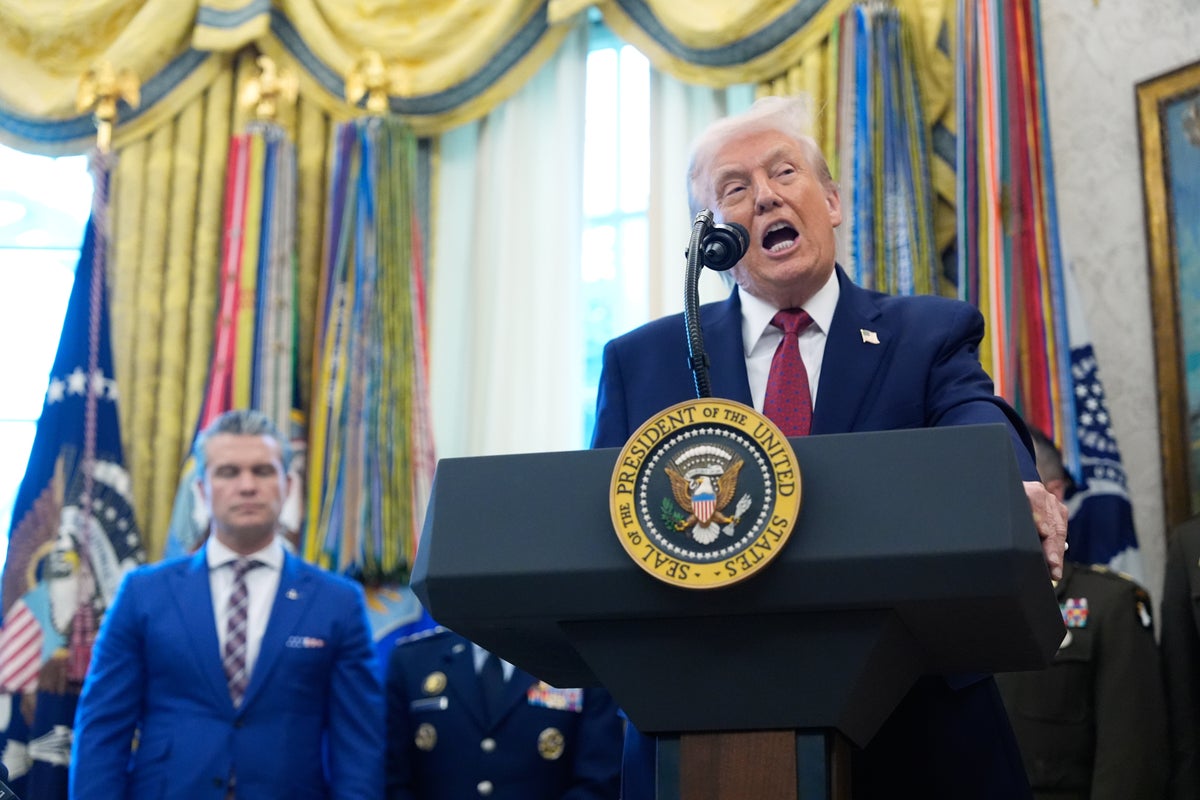
President Donald Trump’s top Cabinet officials, including Secretary of State Marco Rubio and Defense Secretary Pete Hegseth, returned to Capitol Hill on Tuesday to address growing concerns over the rapid escalation of U.S. military force and deadly boat strikes in international waters near Venezuela. The officials provided briefings to members of the House and Senate as Congress investigates a September military strike that resulted in the deaths of two survivors of an initial attack on a boat allegedly carrying cocaine in the Caribbean. Lawmakers are scrutinizing the rationale behind the broader U.S. military buildup in the region, which increasingly appears to be directed at Venezuela.
Justifying Travel Restrictions
The Trump administration has justified its travel restrictions by citing "widespread corruption, fraudulent or unreliable civil documents, and criminal records" in certain countries, making it difficult to vet their citizens for entry into the U.S. It also pointed to high rates of visa overstays, refusal to repatriate deportees, and a lack of government stability as reasons for the move. National security and foreign policy concerns were also cited.
An Afghan man accused of shooting two National Guard troops near the White House has pleaded not guilty to murder and assault charges. Following this incident, the administration announced new immigration restrictions, including further limitations on people from 19 previously restricted countries who were already in the U.S.
New Restrictions on Palestinians
The administration imposed additional restrictions on Palestinians traveling to the U.S., banning those with Palestinian Authority passports from emigrating. The justification included the presence of U.S.-designated terrorist groups in the West Bank and Gaza Strip, which have killed American citizens. The administration also claimed that recent conflicts in the region had compromised vetting processes.
International Reactions
Several countries newly added to the list of restricted nations expressed concern over the restrictions. Dominica's government called the issue "serious and urgent," while Antigua and Barbuda’s ambassador to the U.S. said the matter was "quite serious." The administration also upgraded restrictions on Laos and Sierra Leone, while easing some for Turkmenistan.
Escalating Pressure on Venezuela
Trump announced a blockade of all "sanctioned oil tankers" entering Venezuela, aiming to pressure President Nicolás Maduro. This follows a recent seizure of an oil tanker off Venezuela’s coast and a military buildup in the region. Trump alleged that Venezuela uses oil to fund drug trafficking and other crimes.
Changes in Hepatitis B Vaccination Recommendations
The CDC revised its recommendation for hepatitis B vaccines, ending the longstanding requirement that all U.S. babies receive the vaccine at birth. The new guidance recommends the birth dose only for infants whose mothers test positive for hepatitis B or weren't tested. Public health leaders have criticized the change, warning that more babies could become ill.
Legal Challenges and Controversies
A former NIH scientist sued the Trump administration, claiming she was illegally fired for warning about research cuts that endangered patients. Dr. Jeanne Marrazzo was placed on administrative leave after challenging NIH officials about budget reductions and later fired by Health Secretary Robert F. Kennedy Jr.
Federal Judge Richard J. Leon is expected to rule soon on whether to halt construction of Trump’s White House ballroom. The National Trust for Historic Preservation argued that the project needs independent reviews before proceeding, but the administration claims it involves national security.
Protests and Legal Proceedings
Faith leaders in San Francisco chained themselves to a federal courthouse in an immigration protest, resulting in multiple arrests. Meanwhile, a Milwaukee judge faces trial for allegedly helping an immigrant evade arrest, with her colleague testifying that such actions are inappropriate.
Expanding Travel Ban
The administration added five more countries — Burkina Faso, Mali, Niger, South Sudan, and Syria — to its travel ban. This follows the arrest of an Afghan national linked to the shooting of two National Guard troops over Thanksgiving weekend.
Legal Disputes Over EV Charger Funding
Several Democratic-led states are suing the Trump administration over the refusal to approve $3 billion for electric vehicle charger programs. Colorado Attorney General Phil Weiser criticized the administration for undermining climate goals.
Political Statements and Legal Battles
Trump defended his chief of staff, Susie Wiles, after a Vanity Fair interview featuring candid remarks about his personality. While Trump did not directly address the article, his press secretary and cabinet members praised Wiles.
Senator Chuck Schumer warned that the Justice Department may delay or redact files related to Jeffrey Epstein, despite bipartisan legislation mandating their release. Democrats are prepared to take legal action if necessary.
Military Operations and Congressional Scrutiny
Defense Secretary Pete Hegseth and Secretary of State Marco Rubio briefed lawmakers on military operations against narco-traffickers in the Caribbean. However, the administration refused to release the full video of the September 2 strike, citing classified status.
Senator Adam Schiff plans to push for a Senate vote to release the boat strike video to the public. Meanwhile, Senator Mark Kelly criticized the Pentagon’s investigation into his remarks about military orders, calling it an attempt to silence dissent.
Economic and Foreign Policy Statements
Vice President Mike Pence defended the administration’s economic policies, emphasizing job creation and fair wages. He also blamed the previous administration for the country’s economic challenges.
Legal and Ethical Concerns
The Trump administration denied allegations of conflicts of interest in a deal between Trump Media and Crypto.com. Legal experts raised concerns about potential conflicts as Trump family businesses engage with federally regulated companies.
Ongoing Legal and Political Struggles
The White House continues to face legal challenges, including a lawsuit over the construction of the White House ballroom. The administration argues that the project is a matter of national security.
Media and Legal Conflicts
Trump has engaged in ongoing legal battles with media outlets, including a $10 billion lawsuit against the BBC over edits to his January 6 speech. The BBC apologized but denied defamation claims.
These developments highlight the complex interplay of political, legal, and military actions under the Trump administration, with ongoing debates over transparency, accountability, and the direction of U.S. policy.

Post a Comment for "Hegseth and Rubio Warn Lawmakers of Military Escalation"
Post a Comment