Government to Start Distributing Nvidia GPUs in February
Government Launches Initiative to Boost AI Infrastructure and Semiconductor Development
The South Korean government has announced a series of strategic initiatives aimed at strengthening the country’s artificial intelligence (AI) infrastructure and semiconductor industry. These efforts are part of broader goals to foster domestic AI innovation, reduce reliance on foreign technologies, and position the nation as a global leader in next-generation AI and networking solutions.
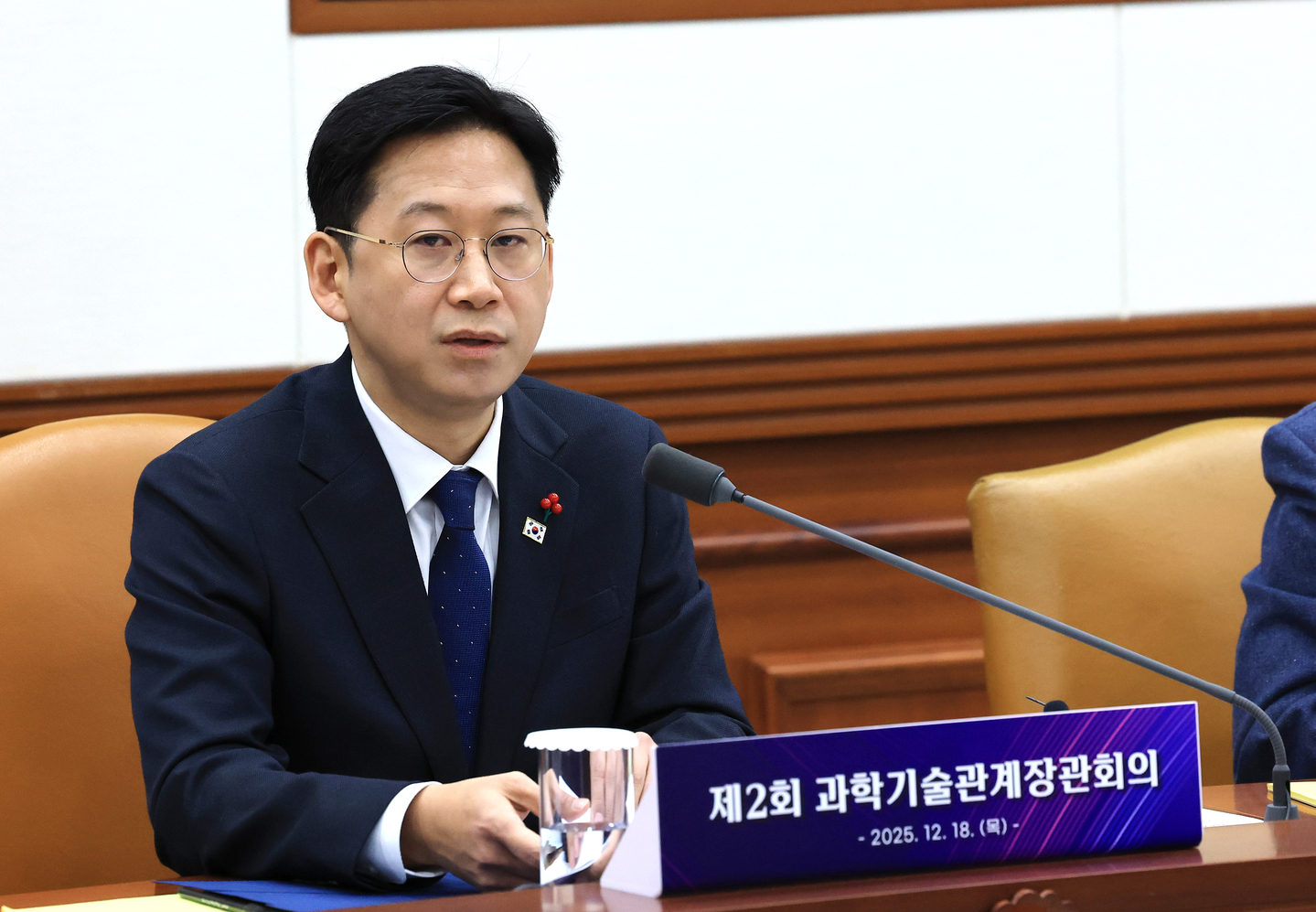
One of the key components of this plan is the distribution of advanced graphics processing units (GPUs) from Nvidia. Starting in February of next year, companies, universities, and national AI projects will begin receiving these GPUs as part of a larger push to expand AI capabilities. The Ministry of Science and ICT unveiled these strategies during a meeting at the Government Complex Seoul, where officials outlined two main initiatives: “K-Nvidia Fostering” and “AI Highway Completion.”
By 2030, the government plans to receive 52,000 GPUs from Nvidia to support national AI projects and the development of foundation models. This includes an initial allocation of 10,000 advanced GPUs secured through this year’s first supplementary budget. These GPUs will be used in large-scale clusters, enabling the training and inference of complex AI models that single GPUs cannot handle.
Applications for these GPUs will be accepted through the online platform AIinfrahub.kr until January 28, 2026. Each project can receive up to 256 H200 GPUs or 128 B200 GPUs for up to 12 months. Universities and research institutes will receive the GPUs free of charge, while small- and medium-sized enterprises and startups will pay between 5% and 10% of the market price. Young entrepreneurs will benefit from a 50% discount on their share of the cost.
In addition to distributing GPUs, the government aims to develop domestically produced neural processing units (NPUs) with enhanced power efficiency. By 2030, these NPUs are expected to deliver more than twice the power efficiency of foreign GPUs. To achieve this, the ministry will focus on developing open-source system software that allows AI models to run on domestically produced NPUs, creating what is referred to as the K-NPU software ecosystem.
The government also plans to reduce its dependence on Nvidia’s proprietary parallel computing platform, CUDA. This effort will involve pilot purchases by public institutions, links to public procurement, and support for the commercialization of on-device AI semiconductors across key industries such as automobiles, the Internet of Things, home appliances, robotics, and defense. Additional measures include large-scale investment and financing, long-term equity investment in startups, and tax credits for NPU-based infrastructure.
Upgrading Networking Infrastructure for the AI Era
Alongside the GPU and NPU initiatives, the government has introduced a network upgrade plan under a "hyper-AI network strategy." This initiative addresses the growing demand for high-speed data transmission and ultra-low latency in the AI era.
The government aims to commercialize 6G technology by 2030 and build AI radio access networks (RAN) nationwide. It plans to install over 500 6G-based AI-RAN sites at industrial and service hubs. For the current 5G technology, the government will transition 5G networks from nonstandalone to standalone mode in the coming year and expand the country’s backbone network capacity more than fourfold by 2030. Submarine cable capacity will also more than double by the same timeline, with landing points diversified to areas including the Yellow Sea and the South Sea.
By 2030, the government hopes to secure a 20% share of the global 6G and AI network market and foster five globally competitive companies generating over 500 billion won ($340 million) in revenue. Regulatory reforms, technology development, and demand creation will accompany these technological advancements.
Science and ICT Minister Bae Kyung-hoon emphasized the importance of bold and pre-emptive investment, stating that coordinated efforts between industry, academia, and research institutions will drive a resurgence in the network industry. He referenced Korea’s late-1990s success in commercializing CDMA mobile technology, when the country emerged as a global leader in telecommunications through collaborative efforts.

Post a Comment for "Government to Start Distributing Nvidia GPUs in February"
Post a Comment