GOP Leaders Doubt ACA Deal Before Deadline
Congressional Gridlock on Health Insurance Subsidies
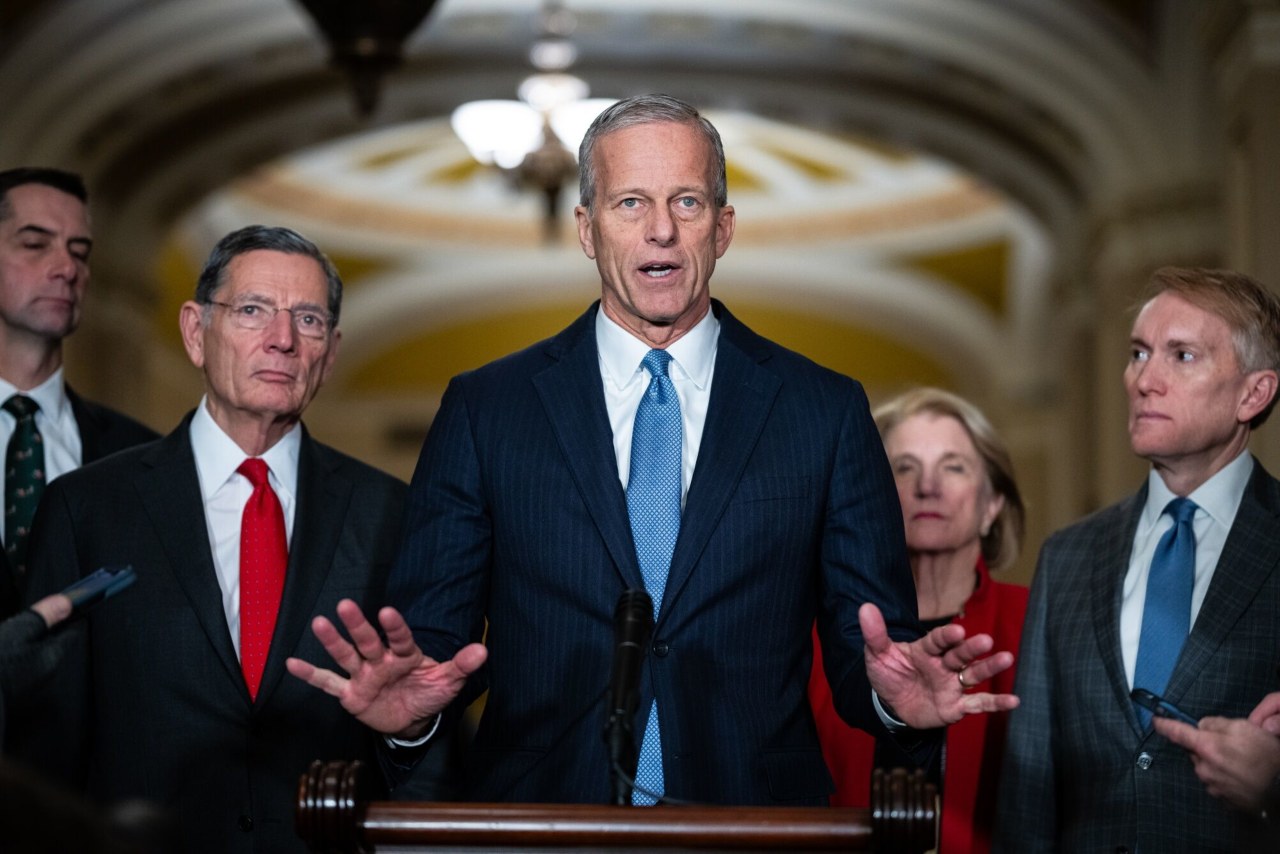
In a significant development, Senate Majority Leader John Thune (R., S.D.) has confirmed that Congress will not be able to extend federal health-insurance subsidies before the end of the year. This decision has dashed hopes for a last-minute deal and shifted the responsibility of addressing the issue into the new year.
Thune stated during a press conference that while nothing will be passed by the end of this week, there is potential for a pathway in January. Lawmakers are expected to leave Washington before the weekend and return on Jan. 5. The expiration of enhanced subsidies, which were introduced during the pandemic, will lead to increased insurance costs for millions of Americans who depend on them to afford coverage under the Affordable Care Act, also known as Obamacare.
As the legislative calendar drew to a close, discussions continued in the Senate between senators from both parties. However, participants acknowledged that the best outcome they could hope for was the release of a bipartisan framework before the break—and even that seemed uncertain.
On the other side of the Capitol, House centrists pushed for votes on compromise legislation that would extend the subsidies while implementing changes such as an income cap. However, a GOP-led panel blocked an attempt to vote on compromise measures, creating an unpredictable environment in the House.
Rep. Brian Fitzpatrick (R., Pa.) warned that there would be consequences if these amendments were not made, stating that the only thing worse than a clean extension without any income limits would be the expiration of the subsidies.
Senate Minority Leader Chuck Schumer (D., N.Y.) criticized Republicans for missing opportunities to act, suggesting that it's now too late. He warned that when the tax credits expire, premiums will spike, leading to people losing insurance, getting sick, and some even dying. He emphasized that after Jan. 1, it would be very difficult to reverse the situation.
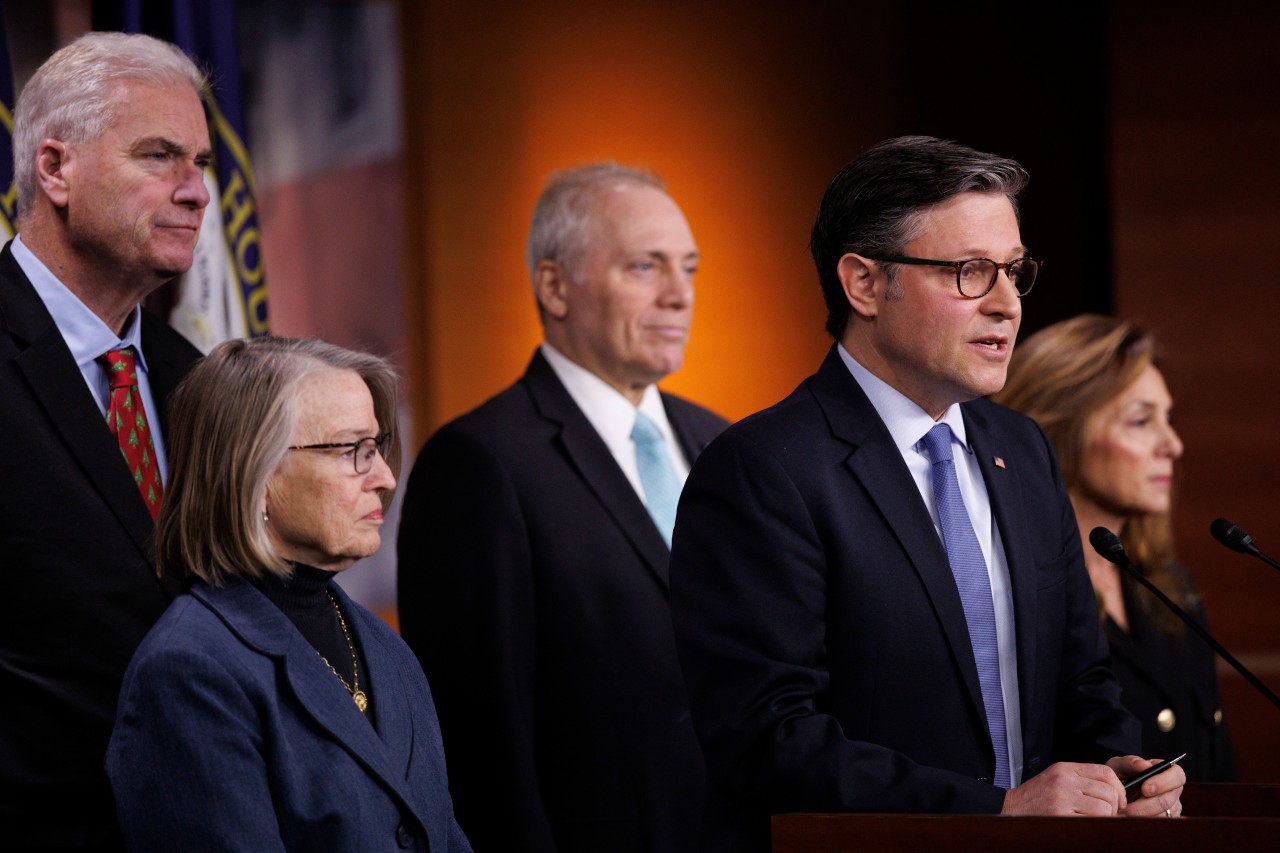
Schumer blamed Thune and House Speaker Mike Johnson (R., La.) for the impasse, while Republican leaders accused Schumer of using healthcare as a political tool for next year’s midterm elections. Johnson claimed that Democrats do not want a solution but rather an issue to exploit in the upcoming election.
Political Implications and Legislative Challenges
Republicans in competitive races are acutely aware of the political risks they face. Democrats have already begun targeting many of them with ads blaming them for increased healthcare costs. During intense talks over the weekend, vulnerable House Republicans sought the opportunity to vote on a compromise plan that would both extend the subsidies and address Republican criticisms about program abuse through policy changes. However, Johnson expressed skepticism about the effort.
House Republicans are still expected to pass a GOP healthcare bill on Wednesday. This bill would expand access to association health plans, allowing small employers to band together for health insurance, and allocate funds for cost-sharing reductions that lower out-of-pocket expenses for lower-income ACA enrollees. It does not include any ACA extensions or health savings accounts favored by many Republicans.
The Congressional Budget Office noted that the bill would reduce the federal deficit by $35.6 billion over a decade but would also result in a decrease of approximately 100,000 people with health insurance each year.
A day earlier, Thune ruled out holding a vote on a straight three-year ACA extension, an approach supported by House Democrats. A similar measure had failed to advance in the Senate last week.
Republican and Democratic centrists have been striving to find a middle ground to avoid the price spikes affecting about 20 million Americans next year when enhanced federal subsidies expire. However, many GOP lawmakers strongly oppose any ACA extension, while many Democrats insist on a multiyear extension without changes, such as income caps, and see no reason to compromise heading into the midterms.
Potential Solutions and Future Outlook
A law enacted in 2021 during the pandemic expanded and enlarged tax credits for purchasing health insurance through the ACA marketplace. Starting next year, the subsidies will revert to prepandemic levels for lower- and middle-income Americans. The subsidies will completely end for households earning more than four times the federal poverty line.
Rep. Kevin Kiley (R., Calif.), who has introduced his own measure extending the subsidies, described the situation as a failure of leadership on both sides.
With no clear path forward, centrist Democrats and Republicans in the House have resorted to trying to bypass Johnson and force votes through a maneuver called a discharge petition. These petitions allow House members to bring bills directly to the floor if they can collect 218 signatures.
Some House Democrats urged their leadership to support one of two bipartisan petitions led by Fitzpatrick or Rep. Josh Gottheimer (D., N.J.), while some Republicans—including Kiley and Rep. Mike Lawler (R., N.Y.)—openly considered signing on to a petition led by House Minority Leader Hakeem Jeffries (D., N.Y.) that would simply extend the subsidies for three years.
A three-year extension would add around $83 billion to the deficit, according to the CBO.
About 20 senators from both parties met Monday night to discuss the subsidies. Afterward, Sen. Susan Collins (R., Maine) said there had been widespread support for producing a result, though she acknowledged time had run out for Congress to pass a fix before the subsidies expire.
Collins suggested that lawmakers could try to extend the open enrollment period for Obamacare before Congress leaves Washington. That would give bipartisan negotiators in the Senate more time to come up with a viable plan when members return in January.
However, Sen. Tim Kaine (D., Va.), who also attended the meeting, emphasized that any deadline extension would need to include an extension of the subsidies as well. He proposed that Republicans consider working with Democrats to extend open enrollment and the current subsidies until the end of February or the beginning of March.
“Some people would like it, some wouldn’t, but at least it would kind of be a show of good faith,” he said.

Post a Comment for "GOP Leaders Doubt ACA Deal Before Deadline"
Post a Comment