Four Republicans Defy Johnson in Healthcare Subsidies Vote
A Shift in Congressional Strategy
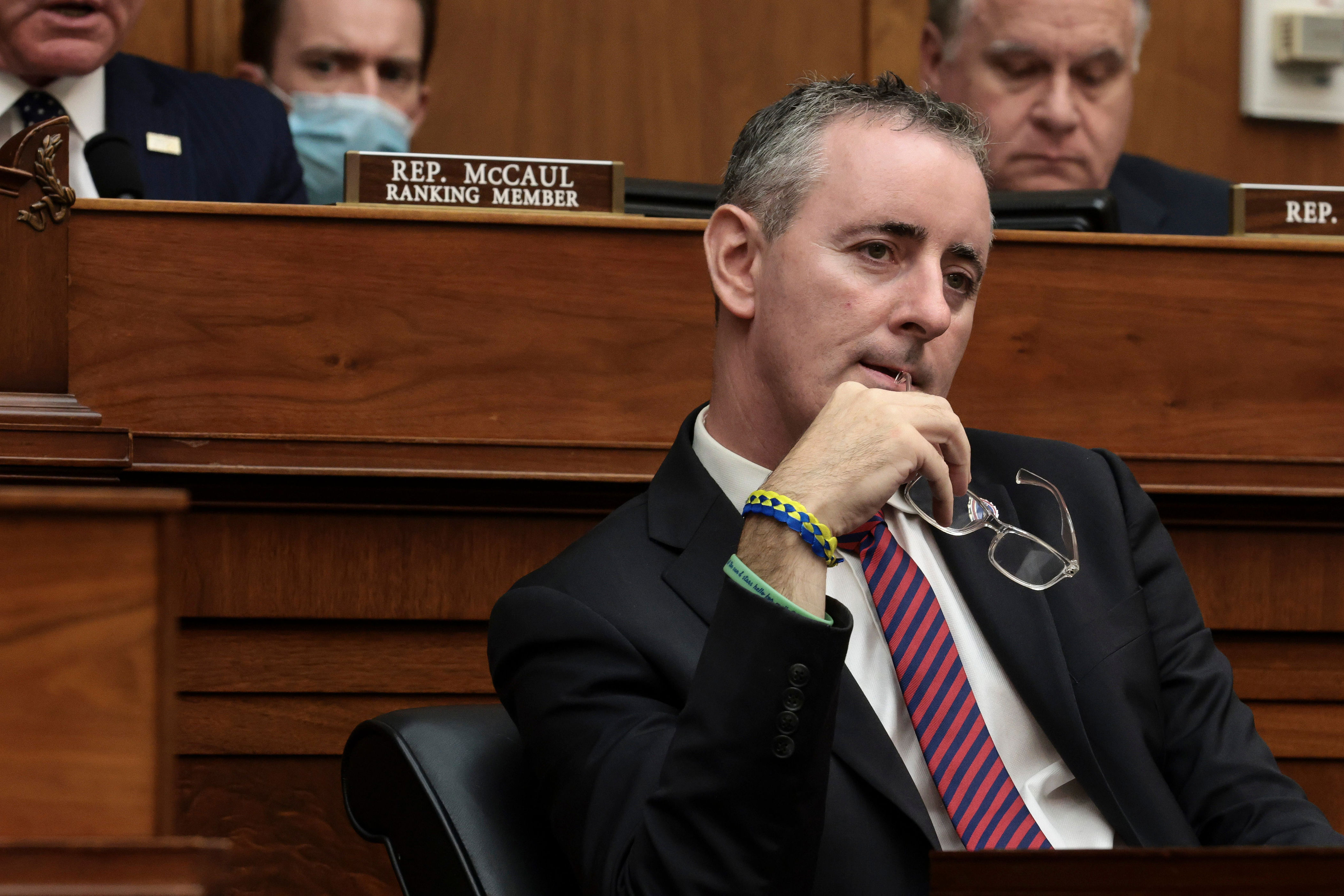
Four Republicans from swing districts have taken a bold step by aligning with Democrats to sign a discharge petition aimed at extending the expanded health care tax credits under the Affordable Care Act. Representatives Brian Fitzpatrick of Pennsylvania, Mike Lawler of New York, Ryan Mackenzie of Pennsylvania, and Rob Bresnahan joined this effort, which was sponsored by House Minority Leader. The initiative seeks to ensure that the tax credits, which were initially signed into law by Joe Biden during the height of the Covid-19 pandemic and later extended in the 2022 Inflation Reduction Act, remain in place.
These tax credits are set to expire at the end of the month, potentially leading to a significant increase in health insurance premiums for over 22 million people who rely on the marketplace. The stakes are high, as the absence of these subsidies could result in premiums doubling or tripling for many Americans.
Urgent Calls for Action
With the House scheduled to recess at the end of the week, Jeffries has urged the House to remain in session to vote on the extension of the Affordable Care Act tax credits. “Mike Johnson should not recess the House of Representatives until we vote on the straightforward extension of the Affordable Care Act tax credits,” Jeffries stated. He emphasized that a bipartisan group of members is prepared to ensure that tens of millions of Americans do not face dramatically increased health insurance premiums.
Many of the Republicans involved in the petition face challenging re-elections in the 2026 midterms. Fitzpatrick and Lawler represent two of the three Republican-held districts that also voted for Kamala Harris. This political reality may influence their decisions and actions in the coming months.
Political Challenges and Compromises
Lawler expressed his support for the discharge petition, stating, “While I have been working for a bipartisan compromise with reforms, the failure of leadership to allow a vote on the floor left me with no choice but to sign the Democrats.” Fitzpatrick and other moderates had previously led discharge petitions to extend the subsidies with some income caps and other various reforms.
Republican leadership in both the House and Senate has consistently opposed extending the tax credits. The final push for the moderates came when the House Rules Committee rejected amendments by many of the moderates to add an extension of the subsidies to a Republican health care bill set for a vote Wednesday.
“Our only request was a Floor vote on this compromise, so that the American People’s voice could be heard on this issue,” he said. That request was ultimately rejected.
Navigating Political Pressures
Fitzpatrick, one of the few Republicans in the House to oppose the “One Big, Beautiful Bill,” explained that he did not prefer a clean extension but felt forced into this position by Johnson and Republican leaders. “As I’ve stated many times before, the only policy that is worse than a clean three-year extension without any reforms, is a policy of complete expiration without any bridge,” he said. “Unfortunately, it is House leadership themselves that have forced this outcome.”
Discharge petitions, once a rare tool, have become increasingly common in the House as a way to pass legislation that House leadership opposes. Most recently, every Democrat and a handful of Republicans signed onto a discharge petition to force the Department of Justice to release files related to the late convicted sex offender Jeffrey Epstein.
Implications and Next Steps
The discharge process triggers a specific timeline. Once a discharge petition receives 218 signatures, it must ripen for seven legislative days. Then the speaker must call the vote within two legislative days. This would put the timetable for a House vote right around the Christmas holiday.
If the legislation passes, there is no guarantee that the Senate will take it up, as it would require 60 votes to pass. Most Republicans in the Senate oppose extending the tax credits or want restrictions for using the money for abortions or gender-affirming care for transgender people.

Post a Comment for "Four Republicans Defy Johnson in Healthcare Subsidies Vote"
Post a Comment