Ariane 6 Successfully Launches Navigation Satellites into Orbit
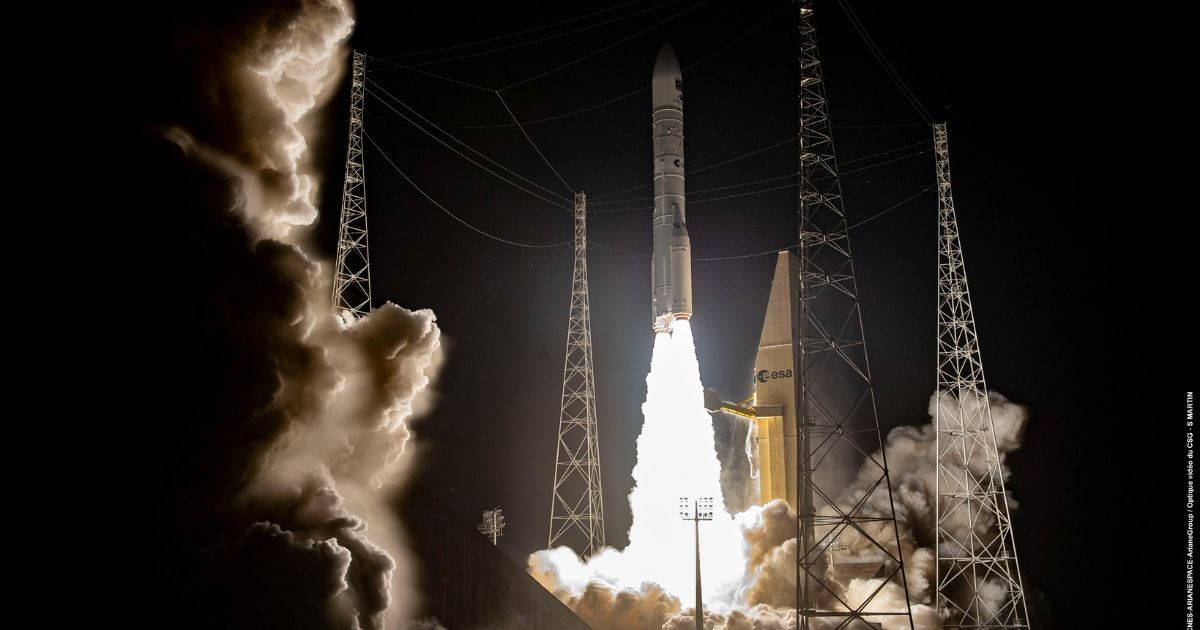
Europe has once again proven its capability in space with the successful launch of the Ariane 6 rocket on December 17. This mission successfully placed two new satellites into orbit for the Galileo navigation network. The rocket lifted off from Europe's Spaceport in French Guiana at 06:01 CET, and after a four-hour flight, the satellites separated from the launcher, as reported by the European Space Agency (ESA).
Mission controllers confirmed that the spacecraft were in good health and had deployed their solar arrays by 10:51 CET. The two satellites, named SAT 33 and SAT 34, are now undergoing performance tests. Once they become fully operational in about three months, the Galileo fleet will expand to 29 active satellites. Since its first deployment in 2016, Galileo has emerged as a global leader in accuracy. Its premium "High Accuracy Service" currently offers horizontal accuracy of 20 centimeters and vertical accuracy of 40 centimeters.
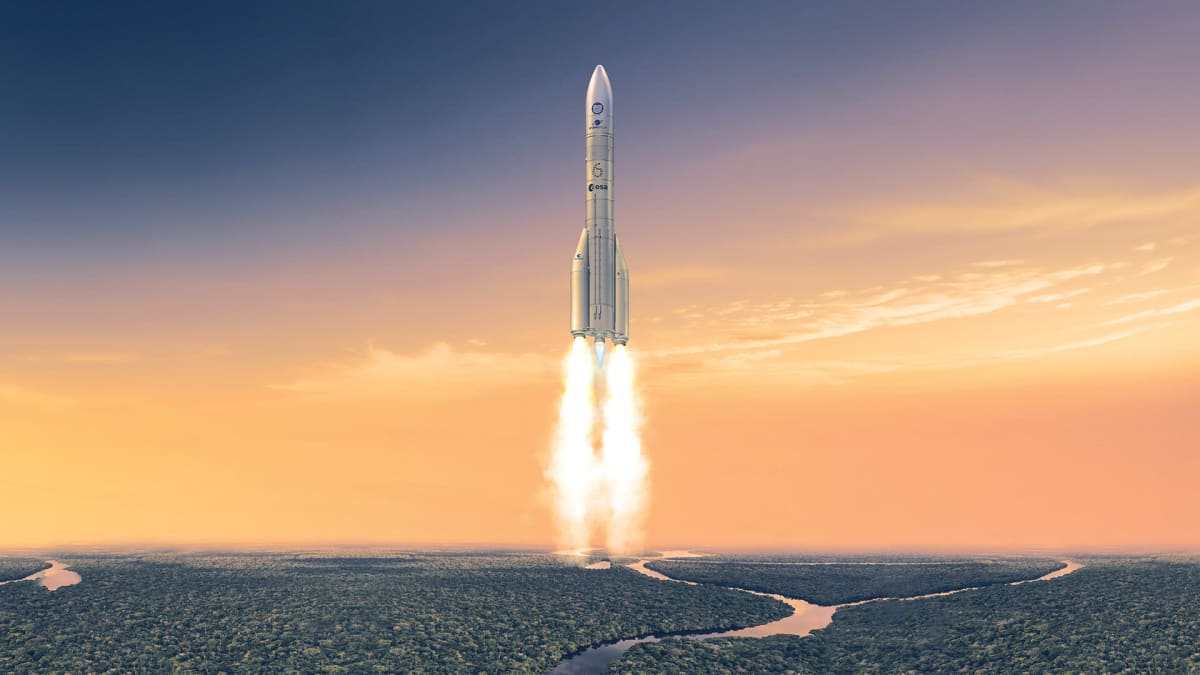
This launch marked a significant milestone for the ESA, as it was the first Galileo mission to be carried out by the Ariane 6 rocket and also the fifth successful flight of the heavy-lift launcher. "Today, Europe is more resilient than it was yesterday," said Josef Aschbacher, the ESA Director General. He emphasized that this launch demonstrates Europe's ability to build and deploy critical infrastructure in space without relying on external partners.
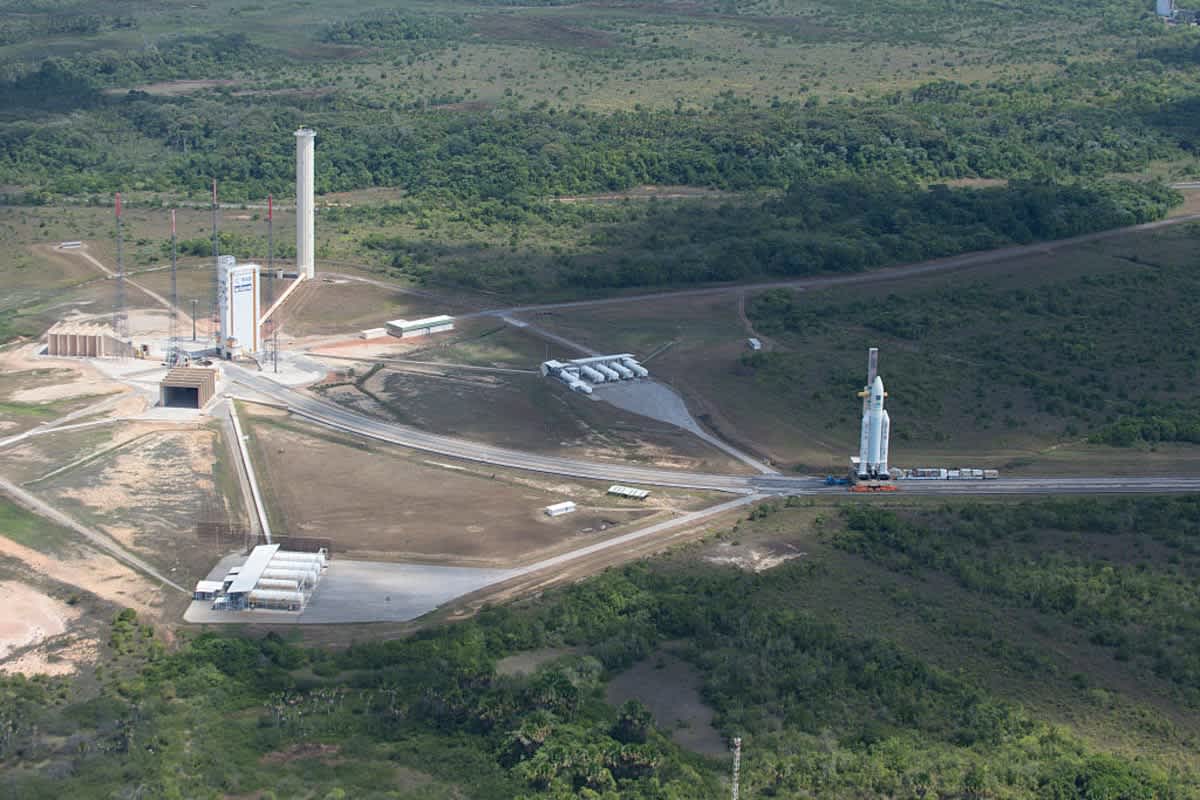
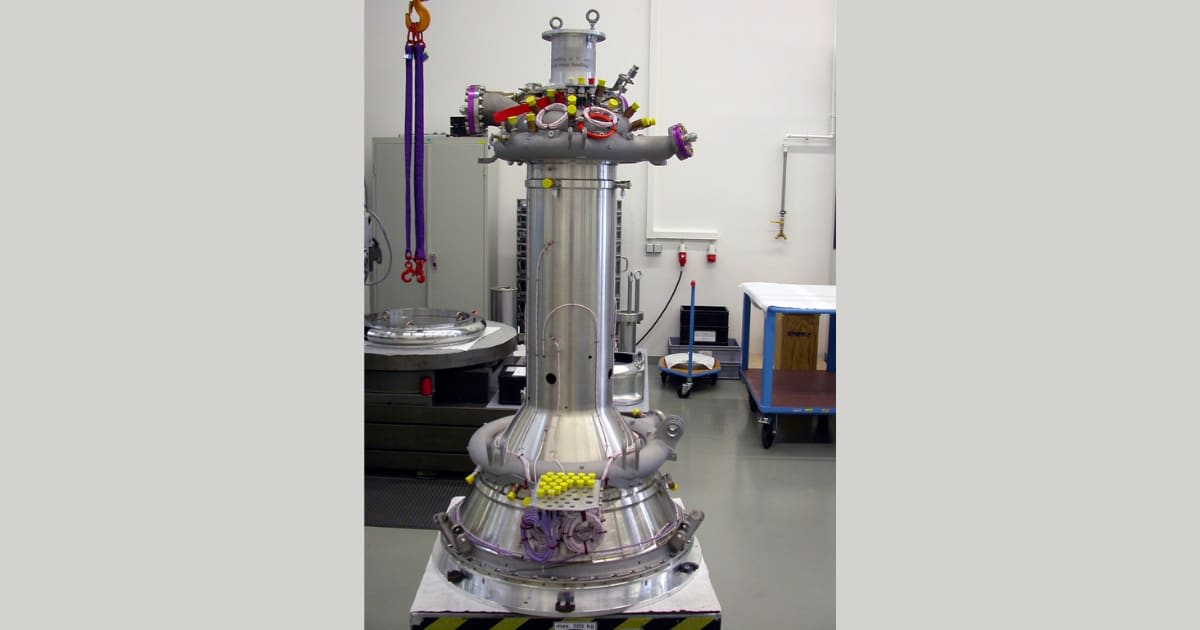
The Ariane 6 rocket is central to Europe’s strategy for space autonomy. Developed by ArianeGroup, this rocket features a modular design that can handle everything from small Earth-observation missions to deep-space exploration. For this particular mission, the rocket used two boosters to generate the initial thrust needed to escape Earth's gravity. The core stage, which provides thrust during the first phase of flight, along with the boosters, is powered by a Vulcain 2.1 engine.
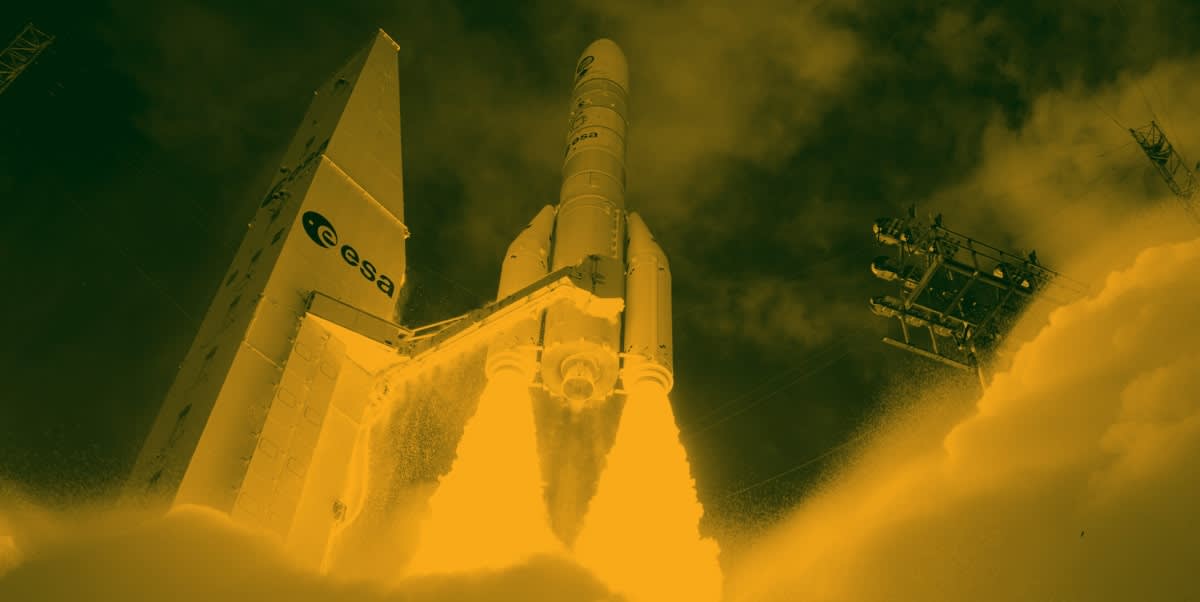
The upper stage of the rocket is powered by a specialized Vinci engine, which, like the Vulcain 2.1, runs on liquid oxygen and hydrogen. The upper stage fired twice to place the satellites into their correct orbits. After the satellites were released, the rocket performed a final maneuver to move itself into a "graveyard orbit," ensuring it would not interfere with other functioning spacecraft.
Looking ahead, the European Space Agency is entering a period of significant transition. Two more launches are planned in the near future to complete the "First Generation" Galileo fleet, while work is already underway on "Second Generation" satellites that promise even more advanced positioning and timing capabilities. According to Toni Tolker-Nielson, the ESA director of Space Transportation, this mission has established Ariane 6 as the "reference launcher for Galileo."
Beyond its technological achievements, Galileo has become an essential part of modern life. An estimated five billion smartphone users worldwide use the system daily, and every new smartphone sold in the European Single Market is compatible with it. While many people are familiar with its use in phone navigation, the service also plays a crucial role in global infrastructure. It provides vital data for search and rescue operations, helps stabilize financial timing services, and enhances the efficiency of farming, shipping, and rail transport.
More on DISCOVERTREND
European Space Agency's Proba-3 mission delivers first images of artificial solar eclipses
European Space Agency head calls on Europe to boost space spending as America eyes space budget cut

Post a Comment for "Ariane 6 Successfully Launches Navigation Satellites into Orbit"
Post a Comment