12 Must-Experience Attractions in Harlem, NYC
What to Do in Harlem
Harlem is one of New York City’s most culturally significant neighborhoods, particularly for its pivotal role in African American history. However, knowing where to start can feel overwhelming. During one of my trips to NYC, I made a point to explore Harlem beyond the basics, focusing on historic landmarks, local food spots, and places that actually tell the story of the neighborhood. In this guide, I’m sharing the best things to do in Harlem for a meaningful experience.
Plan Your Trip to New York
When to Go:
The most pleasant weather is in fall (September to November) and spring (April to June).
Book Your Flight:
Find great deals on Skyscanner
Where to Stay:
Renaisssance New York Harlem Hotel, a luxury boutique experience within walking distance of the Apollo Theater and Central Park.
How to Get Around:
You can get everywhere using the subway and buses. If you prefer a car, use Discover Car to find the cheapest option.
Top 3 Highlights
Don’t miss this yummy Harlem Gospel and Brunch Guided Tour, this unique Harlem Hip-Hop Bus Tour, or a cool Evening Harlem Jazz Tour. Before You Go: Read Dapper Dan: Made in Harlem
1. The Famous Apollo Theater: A Musical Legacy
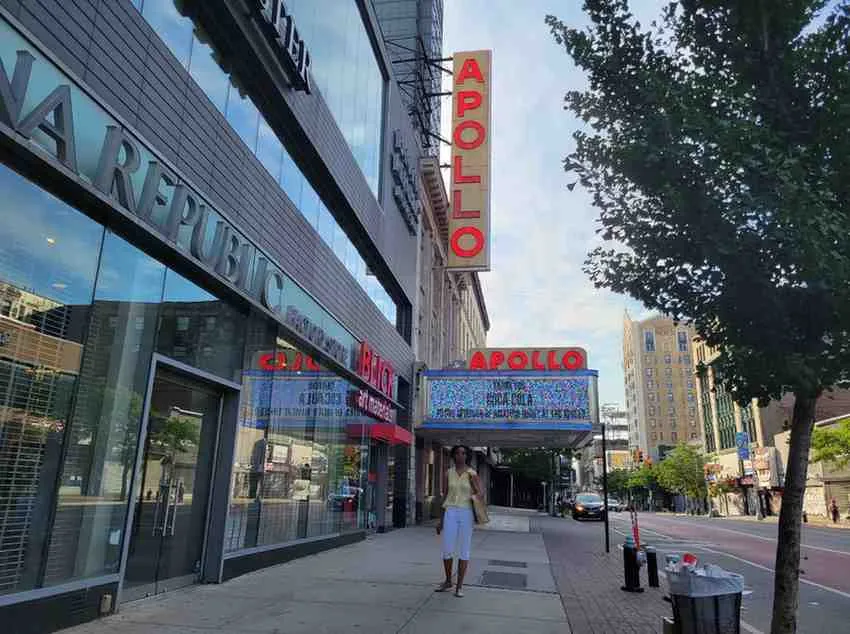
No visit to Harlem is complete without stopping at the Apollo Theater, an iconic venue that has shaped the history of American music since 1914. This legendary stage launched the careers of musical greats like Ella Fitzgerald, James Brown, and Lauryn Hill. Even if you’re short on time, a quick photo stop in front of the Apollo’s famous marquee is worth it — and hopping on a tour bus is a smart way to see multiple Harlem landmarks in one trip.
Benefits of Visiting the Apollo Theater
- Historic venue with legendary performers that shaped American music
- Interactive experiences, including tours, shows, and Amateur Night
- Iconic photo opportunities at the Apollo marquee
Pros
- Rich music and cultural history
- Multiple ways to experience the theater (tours, shows, photo stops)
- Located in the heart of 125th Street
- Great for families, music lovers, and first-time visitors
- Recognizable landmark for photography and Instagram
Cons
- Shows and tours may require advance booking
- Popular nights can sell out quickly
- Not ideal for visitors who prefer quiet or low-key experiences
- Ticket prices vary depending on the performance
Good to Know
- Price: Varies by show or tour; some photo stops are free
- Best For: Music lovers, culture seekers, photographers, families
- Location: 253 W 125th St, New York, NY
- Official Website: https://www.apollotheater.org
2. Walk Through History
One of the best ways to experience Harlem is simply by walking its streets and seeing its historic streets and brownstones. Main thoroughfares like Adam Clayton Jr. Boulevard and Martin Luther King Jr. Boulevard are full of life, from bustling cafés and shops to vibrant street art. For history and architecture lovers, the Mount Morris Historic District offers a peek into Harlem’s past, showcasing stunning brownstones and elegant buildings dating back to the late 19th century. A stroll here gives travelers a real sense of the neighborhood’s culture, style, and energy.
Benefits of Exploring Harlem Streets
- Immersive cultural experience through everyday life and local vibes
- Architectural beauty in the Mount Morris Historic District
- Flexible, self-paced activity perfect for any travel schedule
Pros
- Free and accessible for all visitors
- Offers a mix of history, culture, and modern life
- Great for photography and street-style inspiration
- Can be paired with nearby restaurants, cafés, and attractions
- Safe during the day and well-trafficked
Cons
- Requires walking and comfortable shoes
- Weather-dependent for outdoor enjoyment
- Some streets may be busy or noisy
- Less structured than museums or guided tours
Good to Know
- Price: Free
- Best For: Walkers, architecture enthusiasts, photographers, cultural explorers
- Location: Mount Morris Historic District – Harlem, New York, NY
- Helpful Resource: Best Things to Do in Harlem
3. Step Back in Time at Hamilton Grange National Memorial
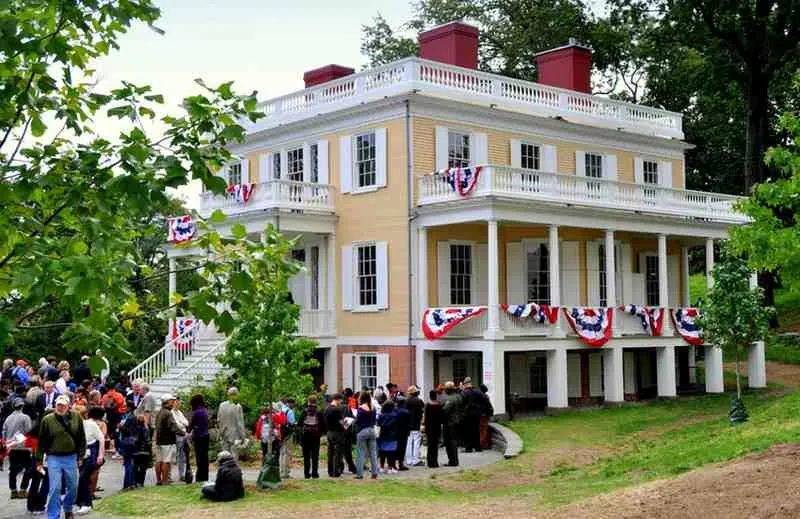
If you’re exploring Harlem or Upper Manhattan and want to mix sightseeing with a little American history, Hamilton Grange National Memorial is a fascinating stop. Once the home of Alexander Hamilton, this quiet historic site feels like a hidden gem compared to NYC’s bigger attractions. Because it’s run by the National Park Service, the exhibits are well-curated and informative without feeling stuffy. It’s also a great cultural stop for visitors interested in Black history, early American politics, or fans of the hit musical “Hamilton.”
Benefits of Visiting Hamilton Grange
- Free admission year-round, making it an easy add to any NYC itinerary
- Educational but approachable exhibits that don’t feel overwhelming
- Peaceful, uncrowded setting compared to major Manhattan museums
Pros
- Free to visit
- Well-maintained historic home
- Informative exhibits and knowledgeable park rangers
- Easy stop while exploring Harlem
- Great context for American Revolutionary history
Cons
- Smaller than traditional museums
- Limited indoor space
- Short visit (typically under an hour)
- Less interactive for kids compared to larger attractions
Good to Know
- Price: Free
- Best For: History lovers, Hamilton musical fans, cultural travelers, budget-conscious visitors
- Location: 414 W 141st St, New York, NY
- Official Website: https://www.nps.gov/hagr
4. Explore the Langston Hughes House
For book lovers and culture seekers visiting Harlem, the Langston Hughes House is one of those places where history feels personal. Located on East 127th Street, this former home of legendary poet and activist Langston Hughes is more than a historic building; it’s a living cultural space. Hughes lived here from 1947 to 1967, and today the house continues his legacy by hosting readings, workshops, and performances that celebrate Black literature, music, and creativity. If you’re someone who loves places with soul and story, this stop hits differently.
Benefits of Visiting the Langston Hughes House
- Deep cultural and literary significance is tied to the Harlem Renaissance
- Live programming and events that keep Hughes’ legacy alive
- Inspiring atmosphere for writers, readers, and creatives
Pros
- Authentic connection to Harlem’s literary history
- Regular cultural programming and community events
- Intimate, meaningful experience
- Great stop for literature and history lovers
- Located in the heart of Harlem
Cons
- Limited visiting hours depending on events
- Interior access may require planning
- Smaller space than traditional museums
- Not always open for casual walk-ins
Good to Know
- Price: Varies by event (some programs are free)
- Best For: Book lovers, writers, creatives, culture-focused travelers
- Location: 20 East 127th Street, New York, NY
- Official Website: https://ihch.org/langston-hughes-house
5. Experience Harlem’s Music Scene

If you’re visiting Harlem, experiencing the live jazz scene should absolutely be on your list. Harlem’s jazz clubs offer an intimate, soulful atmosphere where the music feels close enough to touch. From what I’ve learned, Bill’s Place stands out for its speakeasy vibe and BYOB nights, creating a laid-back, almost secret feel. Minton’s Playhouse seems ideal when you want something a little more polished, with classic jazz, craft cocktails, and Jamaican-inspired dishes. And The Cotton Club, with its long history and live jazz, blues, and gospel performances, feels like a must-visit for anyone who wants to experience a true Harlem institution. Together, these spots offer very different moods — which makes the experience even better.
Benefits of Exploring Harlem’s Jazz Clubs
- Authentic live performances in historic settings
- Intimate venues where you’re close to the music
- A perfect nighttime activity for travelers looking beyond tourist hotspots
Pros
- Talented local and touring musicians
- Unique atmospheres you won’t find elsewhere in NYC
- Options ranging from casual to upscale
- Great way to experience Harlem’s cultural legacy
- Ideal for date nights or solo travelers
Cons
- Some venues have limited seating
- Cover charges may apply
- Weekend shows can sell out quickly
- Food and drink prices vary widely by venue
Good to Know
- Price: Bill’s Place: $$ (BYOB; cover charge varies)
- Minton’s Playhouse: $$$
- The Cotton Club: $$$
- Best For: Music lovers, couples, nightlife seekers, culture-focused travelers
- Locations & Websites:
- The Cotton Club – 656 W 125th St
- Bill’s Place – 148 W 133rd St
- Minton’s Playhouse – 206 W 118th St
6. Dive Into History at the Schomburg Center for Research in Black Culture
If you want to dive deep into African American history and culture, visit the Schomburg Center New York Public Library. The center is recommended for travelers who want to go beyond the surface of Harlem’s history. Visitors often talk about how engaging the exhibitions are, how well the stories are presented, and how easy it is to lose track of time while exploring. It sounds like the kind of place where you walk in curious and leave with a much deeper appreciation for Harlem’s global cultural impact.
This research center hosts fascinating exhibitions that celebrate Harlem-based creatives and the broader African diaspora. This would be an ideal option for things to do when it rains in New York.
Benefits of Visiting the Schomburg Center
- Powerful exhibitions highlighting Black history and creativity
- Free admission makes it accessible for all travelers
- Ideal indoor activity for rainy or cold NYC days
Pros
- Thought-provoking, well-curated exhibits
- Quiet, museum-like atmosphere
- Free to visit
- Centrally located in Harlem
- Great for self-paced exploration
Cons
- Research areas have restricted access
- Exhibits rotate, so availability varies
- Not designed for quick, photo-heavy visits
- Can feel academic for casual visitors
Good to Know
- Price: Free
- Best For: History lovers, culture-focused travelers, rainy-day explorers, researchers
- Location: East 127th Street, Harlem, New York, NY
- Official Website: https://www.nypl.org/locations/schomburg
7. Street Art and Public Installations
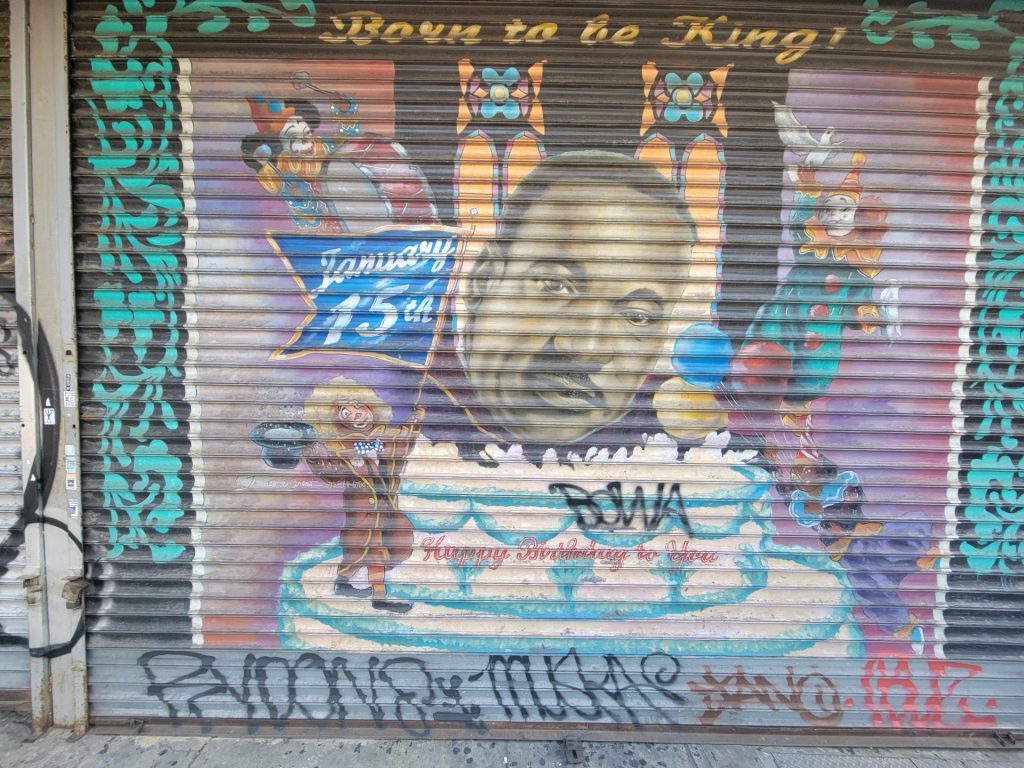
One of the most vibrant ways to experience Harlem is by wandering its streets and taking in the street art and sculptures scattered throughout the neighborhood. From colorful murals to intricate sculptures, the art here captures Harlem’s energy, creativity, and history. While strolling the neighborhood, I found renderings of several celebrities from Michael Jordan to Michael Jackson on concrete walls and aluminum rolling garage doors. One standout is the “Spirit of Harlem” mural by Louis Delsarte at 125th Street and Frederick Douglass Boulevard. It is a stunning glass mosaic that celebrates the Harlem Renaissance and the area’s rich artistic legacy.
Benefits of Exploring Harlem’s Street Art
- Free and accessible for anyone walking through the neighborhood
- Perfect photo opportunities for social media or personal keepsakes
- An immersive way to experience Harlem’s culture outside traditional museums
Pros
- Wide variety of murals and sculptures
- Celebrates both historical and contemporary figures
- Great for self-guided walking tours
- Vibrant, colorful, and highly Instagrammable
- Offers insight into Harlem’s cultural identity
Cons
- Outdoor art can fade or change over time
- Requires walking and outdoor exploration
- Some murals may be harder to find without a map
- Not all artwork is explained or labeled
Good to Know
- Price: Free
- Best For: Art lovers, photographers, culture-focused travelers, casual strollers
- Location: Various streets in Harlem, highlighted at 125th St & Frederick Douglass Blvd
8. Marcus Garvey Park: A Community Hub
Marcus Garvey Park is a peaceful urban retreat with plenty of green space and charm. Originally named Mount Morris Park, it was renamed in 1973 to honor the civil rights leader Marcus Garvey. The park is perfect for travelers looking to take a break from sightseeing — whether you want to relax on a bench, watch locals go about their day, or join in one of the community events hosted here. Grab takeout from a nearby restaurant and enjoy dining alfresco while soaking in the lively Harlem atmosphere.
Benefits of Visiting Marcus Garvey Park
- The central location makes it an easy stop while exploring Harlem
- Beautiful green space for relaxing, picnicking, or people-watching
- Hosts community events and activities that give a taste of local culture
Pros
- Spacious and well-maintained
- Great for outdoor dining or casual strolls
- Family- and pet-friendly
- Free and accessible to all visitors
- Often features live music, performances, and cultural events
Cons
- It can get crowded during peak times or events
- Limited shade in some areas
- Seasonal changes may affect the experience
- Not a substitute for structured activities if you’re on a tight schedule
Good to Know
- Price: Free
- Best For: Families, solo travelers, outdoor lovers, picnic enthusiasts
- Location: 18 Mount Morris Park West, New York, NY
- Official Info: https://www.nycgovparks.org/parks/marcus-garvey-park
9. St. Nicholas Park: A Historic Oasis
Nestled in Harlem, St. Nicholas Park is a lush, historic green space that offers both beauty and tranquility. Known for its rolling hills, tree-lined paths, and panoramic views of Manhattan, it’s a perfect spot for a morning jog, an afternoon stroll, or an evening unwind as the sun sets over the city. History buffs will also appreciate that the park is home to the site of Alexander Hamilton’s 1802 residence, adding a layer of historical intrigue to your visit.
Benefits of Visiting St. Nicholas Park
- Peaceful escape in the midst of busy Harlem streets
- Scenic views perfect for walking, jogging, or photography
- Historical significance with connections to Alexander Hamilton
Pros
- Large, well-maintained green space
- Great for exercise or relaxation
- Family- and pet-friendly
- Free and open year-round
- Offers a mix of history and natural beauty
Cons
- Some areas can be crowded during weekends or events
- Limited seating in certain parts of the park
- Seasonal weather may impact outdoor enjoyment
- Less structured programming compared to larger parks
Good to Know
- Price: Free
- Best For: Outdoor enthusiasts, families, history buffs, casual walkers
- Location: St. Nicholas Terrace & St. Nicholas Avenue, New York, NY
- Official Info: https://www.nycgovparks.org/parks/st-nicholas-park
10. Savor the Food at Iconic Eateries

Harlem’s culinary scene is a foodies dream where the soul food slaps! I found myself returning multiple times for legendary catfish, waffles, sweet potatoes, and black-eyed peas. You can also find spots with a modern twist on soul food, but nothing hits home like comforting mac and cheese. If you go for lunch, you may want to stick around for dinner. I certainly did! The neighborhood is a haven for soul food lovers. For travelers, it’s more than just a meal — it’s an immersive cultural experience that pairs perfectly with exploring the streets, museums, and music of Harlem.
Benefits of Visiting Harlem Restaurants
- Authentic soul food that keeps locals and visitors coming back
- Warm, welcoming atmosphere in nearly every eatery
- Diverse culinary options, from traditional to modern interpretations
Pros
- Legendary dishes that are iconic to Harlem
- Friendly service and inviting dining environments
- Options for brunch, lunch, and dinner
- Great for solo travelers, couples, and families
- Perfect for pairing with neighborhood sightseeing
Cons
- Popular spots can get crowded, especially on weekends
- Some restaurants may require reservations
- Prices vary — some classic spots can be pricey
- Limited vegetarian/vegan options at traditional soul food restaurants
Good to Know
- Price: $–$$$ (varies by restaurant)
- Best For: Foodies, soul food lovers, casual diners, culture-focused travelers
- Locations: Various restaurants throughout Harlem
- Helpful Resource: Best Brunch in Harlem
11. Shop for Unique Markets and Food Experiences

For travelers looking to combine shopping and culture, Harlem’s markets are a must-visit. The Malcolm Shabazz Harlem Market offers an authentic taste of Africa with traditional crafts, textiles, and cuisine — perfect for finding unique souvenirs or gifts. Another neighborhood favorite is La Marqueta, an indoor market beneath the Metro-North tracks, where you can sample a variety of international foods and discover locally made products. Shopping in Harlem isn’t just a transaction; it’s an adventure that immerses you in the neighborhood’s diverse cultures and vibrant energy.
Benefits of Visiting Harlem Markets
- Unique, handcrafted goods you won’t find anywhere else
- Cultural immersion through food, crafts, and local vendors
- Perfect for souvenirs and gifts for friends and family
Pros
- Wide variety of international and African foods
- Vibrant, colorful market atmosphere
- Great photo opportunities
- Supports local vendors and artisans
- Convenient locations in central Harlem
Cons
- It can get crowded during weekends or special events
- Limited indoor seating at some markets
- Prices vary depending on the vendor
- Not all markets are open every day
Good to Know
- Price: Free to browse; food and crafts priced individually
- Best For: Shoppers, foodies, cultural explorers, souvenir hunters
- Locations:
- Malcolm Shabazz Harlem Market – 24 W 116th St, New York, NY
- La Marqueta – 110 E 116th St, New York, NY
- Helpful Resource: Best gifts from New York
12. Take a Harlem Walking Tour
To truly appreciate Harlem, I recommend joining a guided tour. A knowledgeable tour guide can provide insights into hidden gems and stories that bring the neighborhood to life. The best Harlem walking tours cover historic sites and hidden gems by locals who live in the area. They can offer insights that you might miss if you try to see the neighborhood on your own. For a spiritual experience, I recommend a Harlem gospel tour. It is soul-stirring and includes a 20 to 30-minute local church service. You’ll hear the powerful voices of gospel choirs that have made Harlem famous for gospel music.
Benefits of Taking a Harlem Tour
- Local insight from guides who know Harlem inside and out
- An efficient way to see key landmarks in a short amount of time
- Deeper cultural connection, especially through gospel experiences
Pros
- Educational and engaging storytelling
- Access to hidden gems and local perspectives
- Great for first-time visitors
- Gospel tours offer a unique spiritual and musical experience
- Easy to fit into a short NYC itinerary
Cons
- Requires booking in advance
- Tour schedules are fixed
- Less flexibility than exploring on your own
- Some tours may involve a lot of walking
Good to Know
- Price: $$–$$$ (varies by tour type)
- Best For: First-time visitors, history lovers, culture seekers, spiritual travelers
- Location: Various meeting points throughout Harlem
- Helpful Resource: Harlem Tours and Tickets
13. Discover Art and Cultural Landmarks
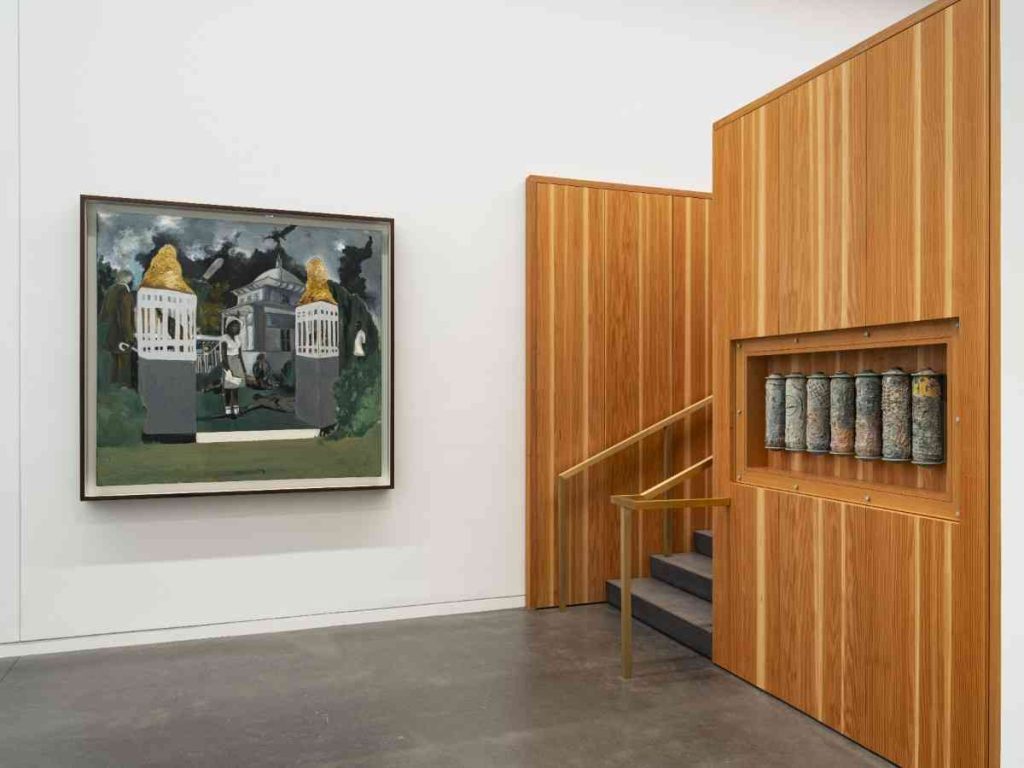
Art lovers visiting Harlem are spoiled for choice, especially with institutions like The Studio Museum in Harlem and El Museo del Barrio. The Studio Museum is dedicated to artists of African descent and is renowned for its thought-provoking, rotating exhibitions that showcase contemporary African American art. Just east of Harlem, El Museo del Barrio dives into Puerto Rican heritage and broader Latino culture through engaging exhibits, art, and community-focused programming. Together, these museums offer a well-rounded cultural experience rooted in identity, creativity, and storytelling.
Benefits of Visiting These Museums
- Rotating exhibitions that keep each visit fresh and relevant
- Strong cultural focus on African American and Latino experiences
- Accessible locations within Harlem and East Harlem
Pros
- Thought-provoking, contemporary art and exhibitions
- Highlights underrepresented voices and cultures
- Great for solo travelers or culture-focused visitors
- Easy to pair with walking tours or dining nearby
- Educational without feeling overwhelming
Cons
- Some galleries may be closed during installation periods
- Limited time needed if you prefer quick museum visits
- May feel niche for visitors not interested in art or culture
Good to Know
- Price: The Studio Museum in Harlem: Free (when open to the public)
- El Museo del Barrio: Pay-what-you-wish
- Best For: Art lovers, culture seekers, solo travelers, educators
- Locations & Websites:
- The Studio Museum in Harlem – 144 W 125th St, New York, NY
- https://www.studiomuseum.org
- El Museo del Barrio – 1230 Fifth Ave, New York, NY
- https://www.elmuseo.org
14. Explore the National Jazz Museum
If you’re a jazz enthusiast or simply curious about America’s musical legacy, the National Jazz Museum in Harlem is a must-visit. Harlem has been home to legends like Billie Holiday and Louis Armstrong, and this museum celebrates that rich heritage. Exhibits showcase the evolution of jazz and feature fascinating memorabilia, including Duke Ellington’s baby grand piano. For an even more immersive experience, join a Harlem Jazz Crawl Tour to catch live performances and perhaps discover the next generation of jazz greats.
Benefits of Visiting the National Jazz Museum
- Deep dive into jazz history and Harlem’s musical legacy
- Rare memorabilia from iconic artists like Duke Ellington
- Free admission makes it an easy and affordable cultural stop
Pros
- Compact and easy to explore in under an hour
- Knowledgeable staff and well-curated exhibits
- Highlights Harlem’s contribution to American music
- Located in central Harlem, easy to pair with other stops
- Offers live performance experiences through tours
Cons
- Open limited hours (Thursday to Saturday, Noon–5 PM)
- Smaller than major music museums
- Less interactive than larger museums
Good to Know
- Price: Free (donations accepted)
- Best For: Jazz lovers, music historians, cultural travelers, families
- Location: 58 W 129th St, New York, NY
- Official Website: https://www.jazzmuseuminharlem.org
The Best Way to Experience Harlem on Your Own
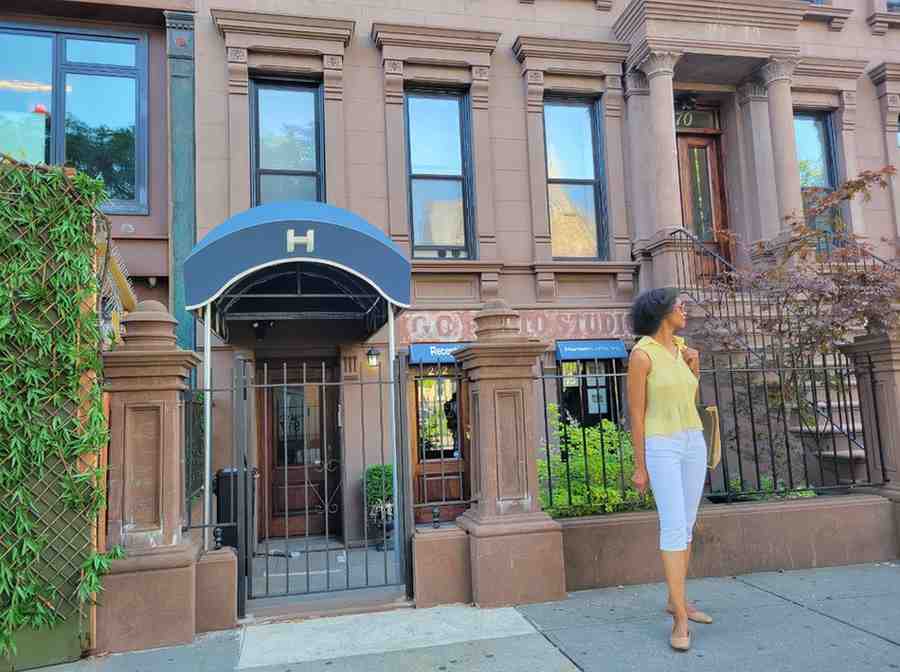
With its lot of cultural heritage, world-class cuisine, gorgeous mix of rowhomes and brownstones, and colorful arts scene, Harlem remains one of the most beautiful places of African roots in the United States.
How to Get There
After my flight landed, I took the subway from LGA airport to Manhattan and transferred via subway. But if you are already in NYC, you can take the subway to 125th Street and Lenox Avenue. During the subway ride, I thought of my father’s amazing jazz collection and his prized possession of “A Great Day in Harlem”, a jazz portrait by Art Kane. Seeing how distinguished they looked while posed in front of the brownstones made me want to immerse myself in history.
Safety and Accessibility
As you plan your visit, you might wonder, “Is Harlem safe?” Contrary to outdated perceptions, the safety of Harlem New York has greatly improved over the years. Today, it’s considered one of the safest cities to explore, especially during daytime hours. The neighborhood is easily accessible via subway from Midtown Manhattan, making it a comfortable walking distance from Central Harlem to various attractions. Rest assured, like many parts of New York, Harlem is a welcoming neighborhood for tourists, especially in the areas frequented by visitors. Exercise the same caution you would in any big city, and you’ll be set to enjoy your outing.
Final Thoughts on Things to Do in Harlem New York
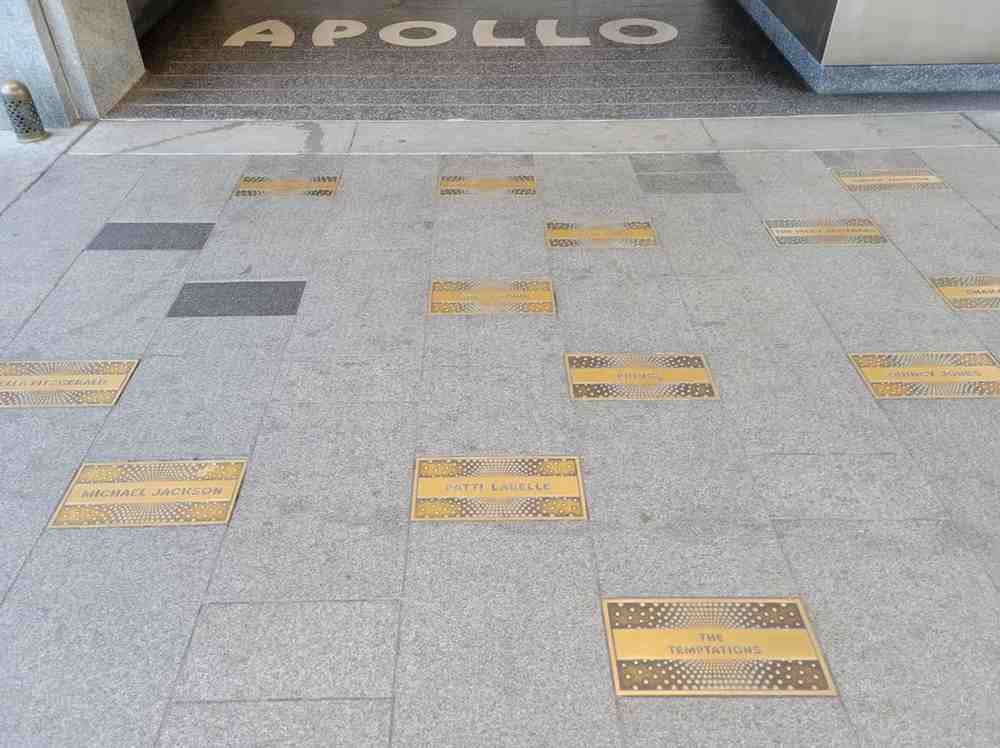
From the iconic Apollo Theater to soul food that tastes like you’re in Grandma’s kitchen, Harlem is a culturally authentic slice of New York City’s melting pot. You will enjoy this neighborhood. It pulsates with African culture and energy.

Post a Comment for "12 Must-Experience Attractions in Harlem, NYC"
Post a Comment