10 Key Moments from Russia's Ukraine War Update
Russia has released new statistics and figures regarding its military operations in Ukraine, offering insights into its financial commitments and strategic ambitions. These figures, while not always verified, provide a glimpse into the Kremlin's ongoing efforts to sustain its war effort and project strength on the global stage.
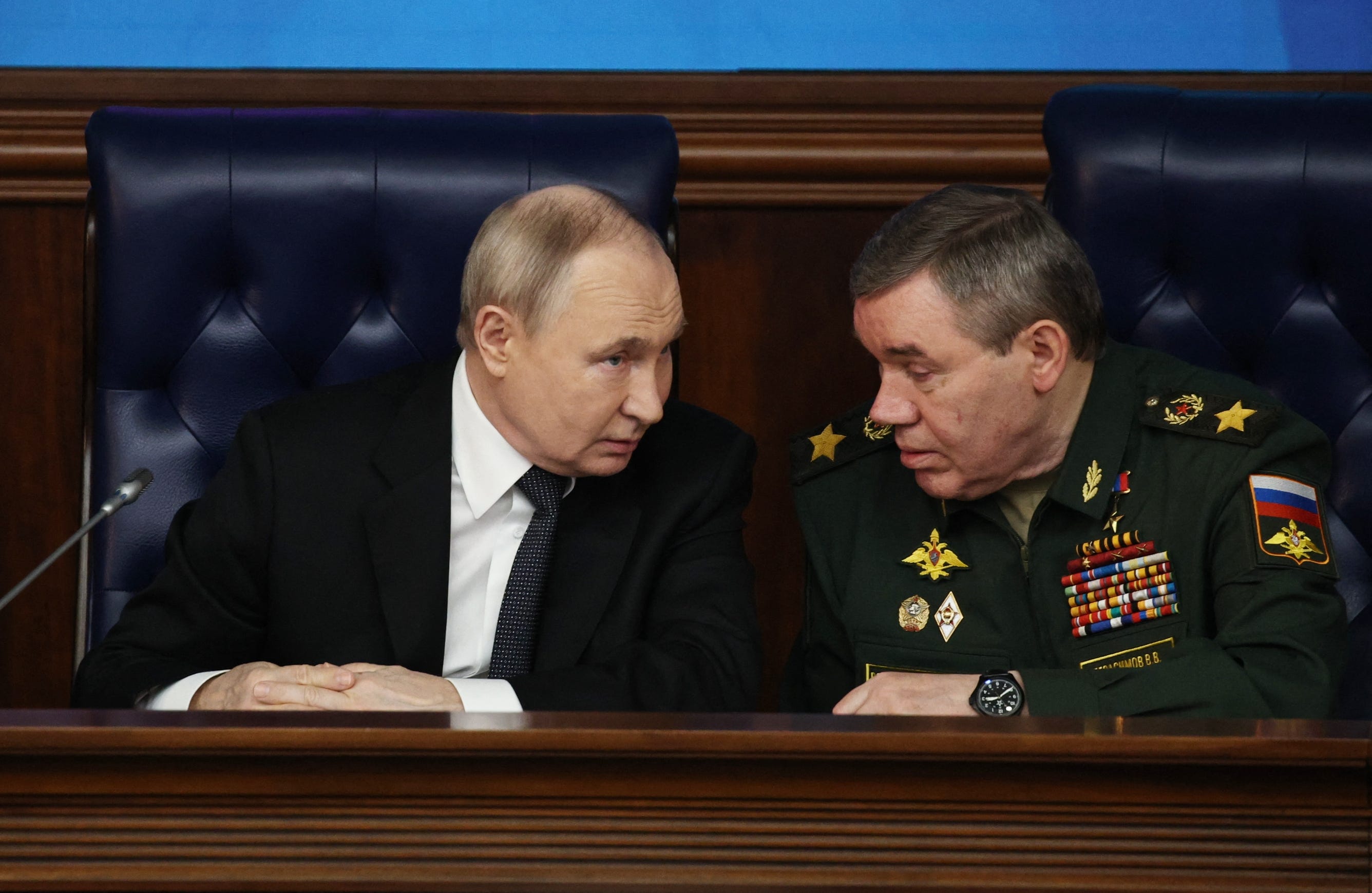
The Russian defense ministry presented an annual review of the conflict during a meeting in Moscow, led by Defense Minister Andrei Belousov. While these claims are often at odds with international observations, they highlight the official narrative surrounding Russia's military goals and performance. President Vladimir Putin emphasized that his forces were "crushing" Ukraine, despite the war's prolonged duration.
These disclosures come as Russia seeks to assert dominance and negotiate peace terms with the Trump administration, demanding significant concessions from Ukraine.
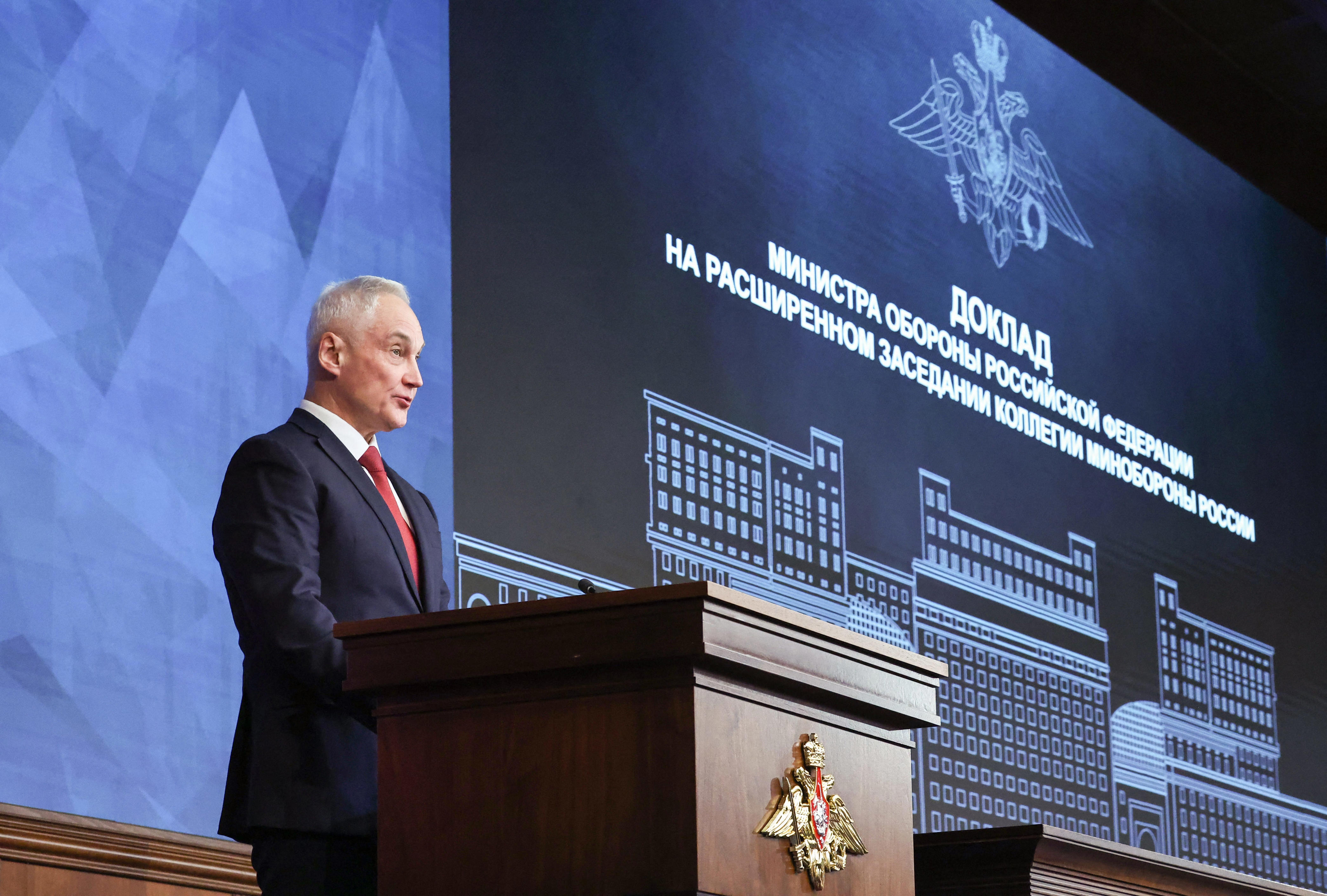
Belousov's presentation included several key points that outline Russia's military strategy and resource allocation. Here are ten highlights from the review:
-
War Budget Allocation According to Belousov, Russia's war spending is expected to reach about 5.1% of the country's GDP in 2025, which amounts to approximately $138 billion. This represents a significant portion of the overall defense budget, which stands at 7.3% of GDP. The nominal GDP for 2024 was around 201.2 trillion rubles, projected to grow to 203 trillion rubles this year, or $2.52 trillion. Independent reports suggest a slightly higher GDP forecast of $2.7 trillion. In comparison, the U.S. plans to spend $901 billion on its military, or about 3.4% of its GDP.
-
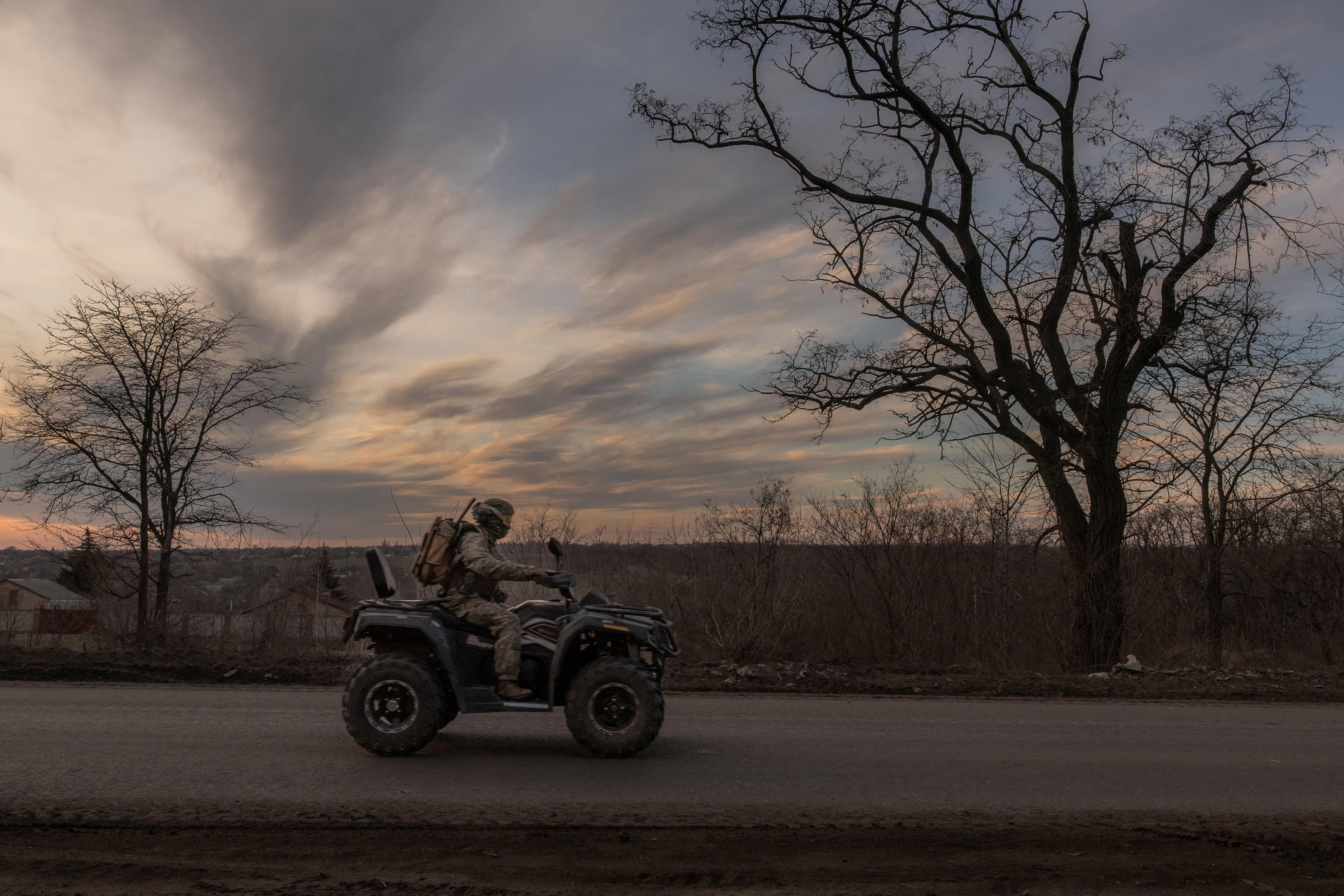
Increased Use of Motorcycles and Quad Bikes Belousov revealed that the Russian military delivered roughly 38,000 motorcycles, buggies, and all-terrain vehicles to troops on the front lines in 2025—ten times more than the previous year. The goal is to achieve "full strength" in these vehicles next year. These small, unarmored vehicles are used for assaults and approaching Ukrainian positions, leveraging speed and size to avoid drone attacks. Ukraine has also adopted similar tactics, with one regiment forming an official motorcycle attack company.
-
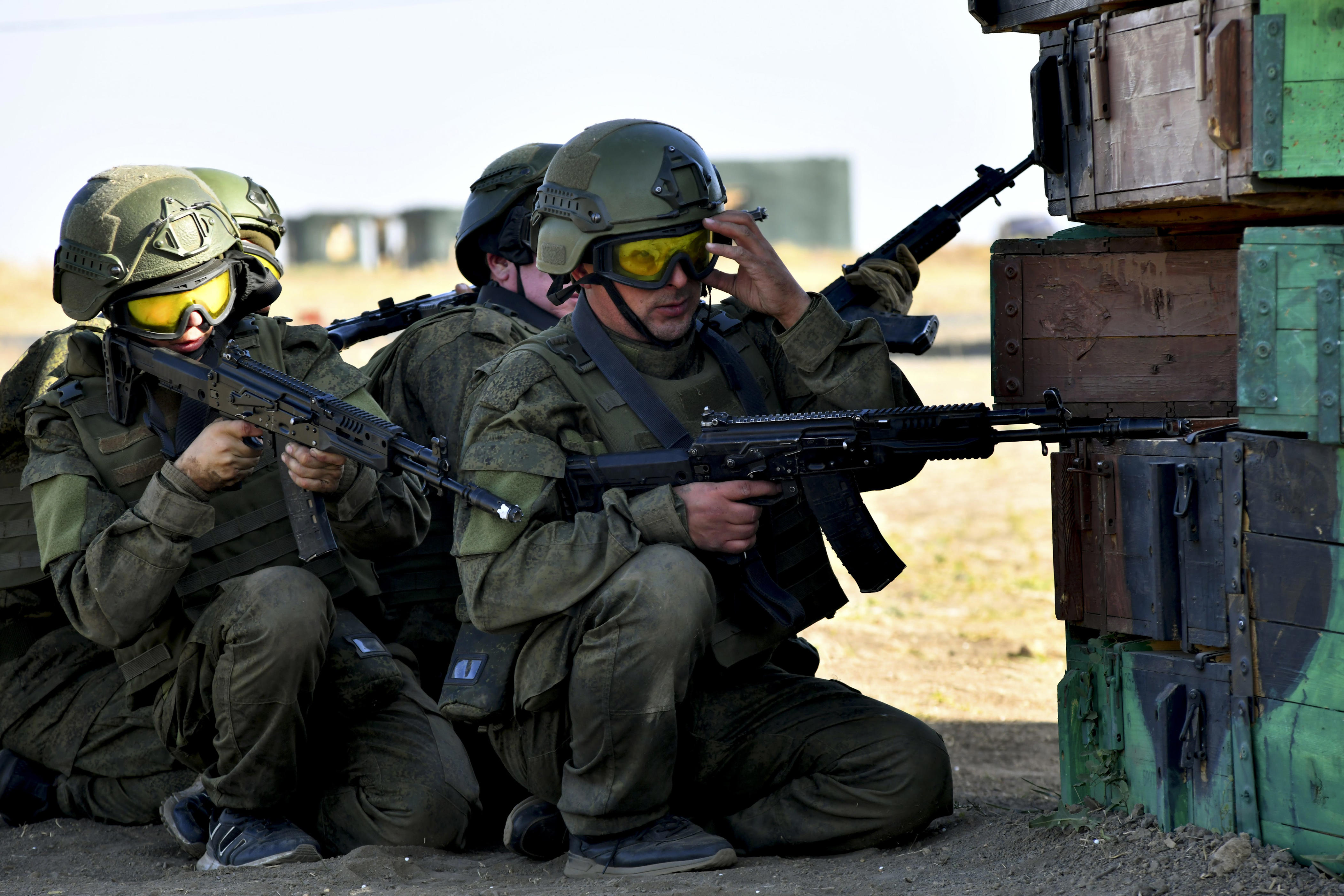
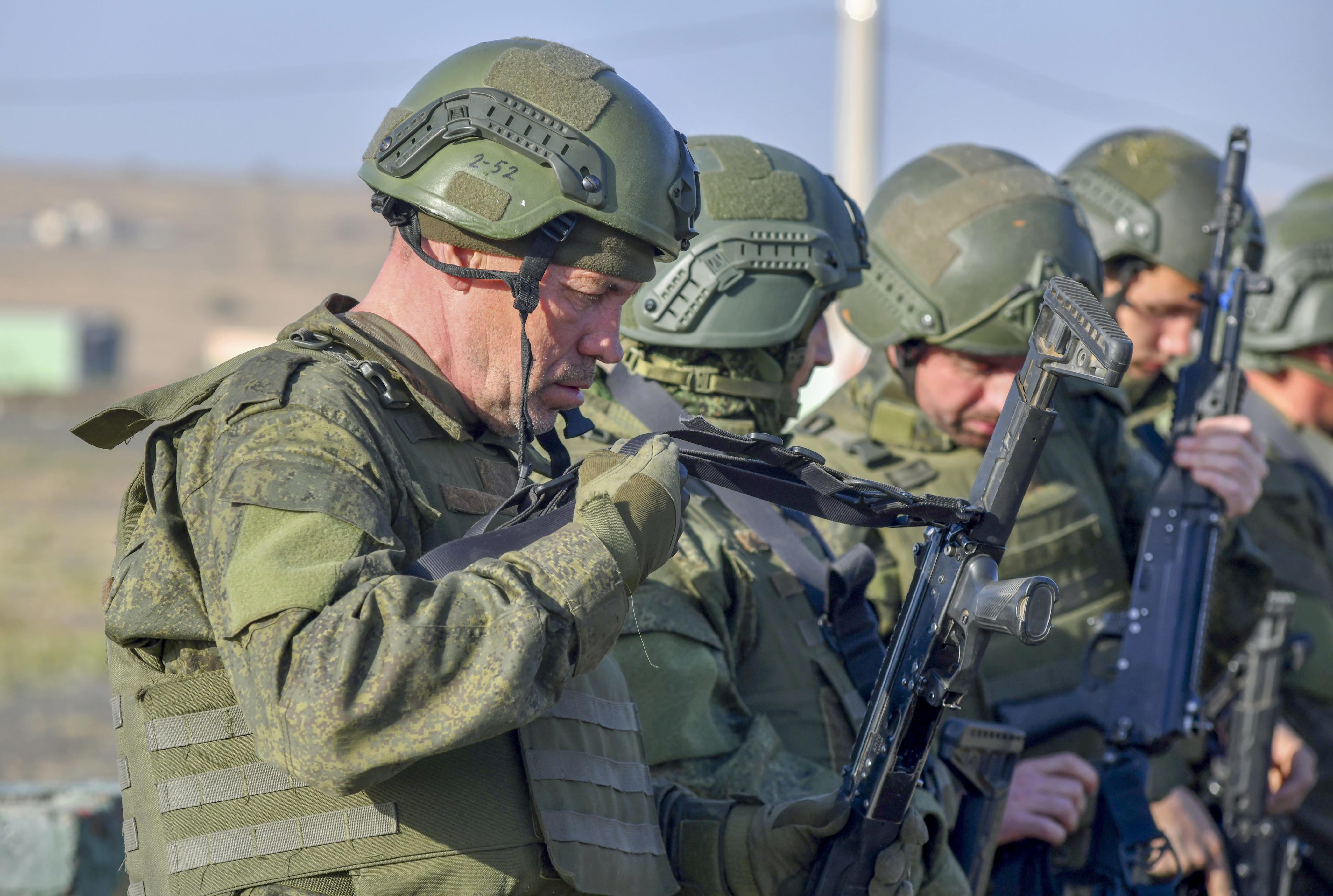
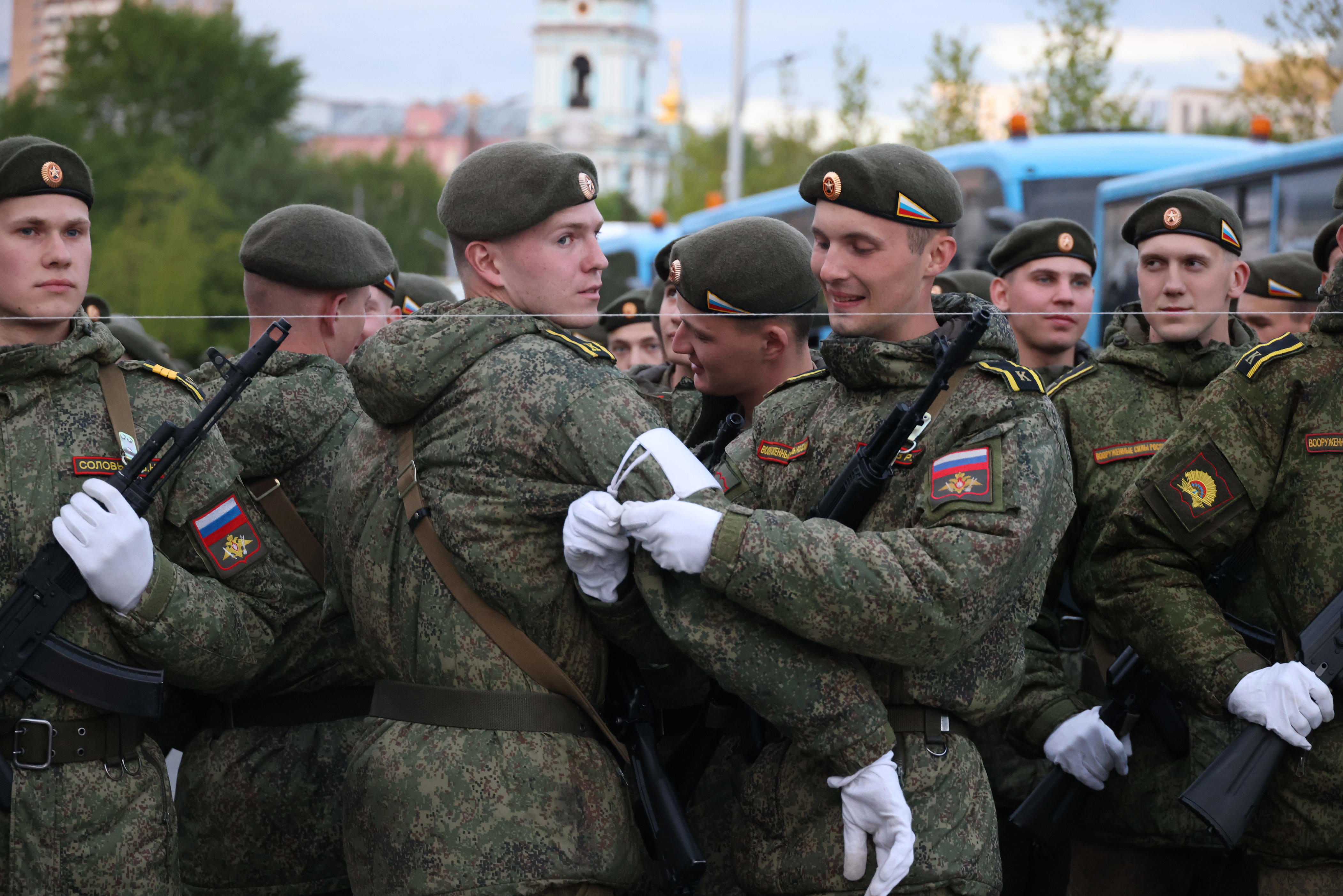
Recruitment of New Contract Soldiers Russia hired 409,611 new contract soldiers in 2025, exceeding the target of 403,000. Nearly two-thirds of these recruits were young men under 40, with over a third having higher or specialized secondary education. Recruitment incentives include sign-on bonuses and pardons for crimes.
-
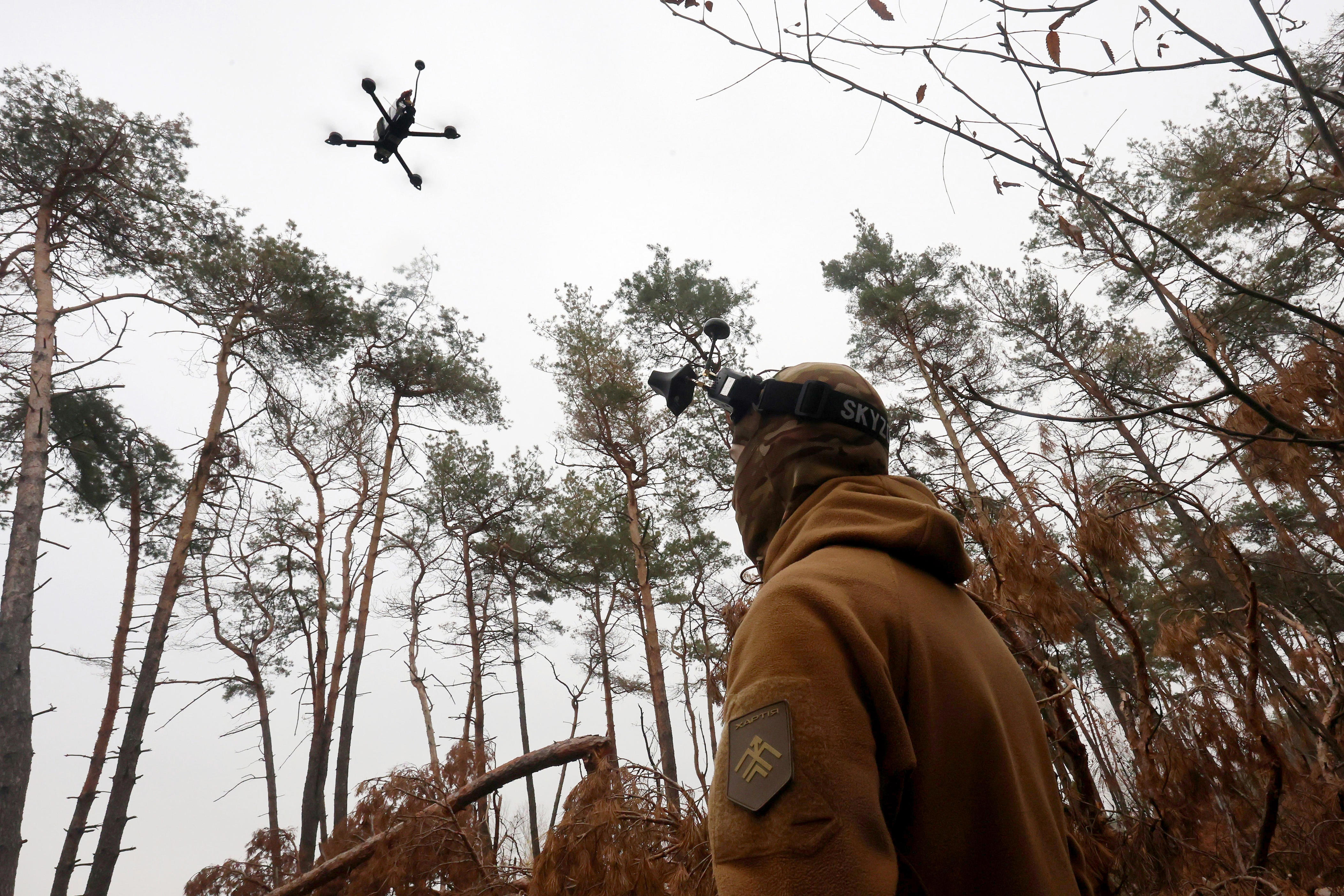
FPV Drones as a Major Weapon Belousov stated that about 50% of Ukrainian casualties from Russian attacks come from first-person-view (FPV) drones. These small quadcopters, equipped with explosives, have become a hallmark of the war. Although Russia claimed to outproduce Ukraine in FPV drones, Kyiv has since caught up. Ukrainian leaders report that 70% of all casualties involve FPV drones.
-
Formation of a New Drone Force Russia plans to create a new drone formation called the Unmanned Systems Forces, training "tens of thousands" of personnel. An existing unit, Rubicon, focuses on FPV drone warfare and is considered elite. The goal is to transition FPV drone attacks from individual tasks to integrated joint operations. Ukraine has also established its own Unmanned Systems Forces.
-
Intercepting Ukrainian Drones Belousov reported that 27,400 Ukrainian long-range drones were intercepted over Russian territory this year, with the majority after the summer. The interception rate averaged 97%. Ukraine uses fixed-wing drones to attack deeper into Russia, targeting oil and gas facilities and military sites. Russia is exploring FPV drones as high-speed interceptors, a technology Ukraine has refined to counter Moscow's Shahed waves.
-
Modern Strategic Bombers Russia received two Tu-160Ms, modernized supersonic bombers capable of deploying nuclear weapons or stealth missiles. These bombers are part of Russia's nuclear triad. Several older bombers were damaged in an Ukrainian drone attack in June, though confirmation of damage remains unclear.
-
Military Reorganization Russia created 30 new regiments in 2025, with plans for 39 more next year. The military structure includes five new divisions, 13 brigades, and 30 regiments. Some formations have been transformed rather than newly created. A new division, the Aerospace Forces, includes a regiment equipped with the S-500 antiaircraft missile system.
-
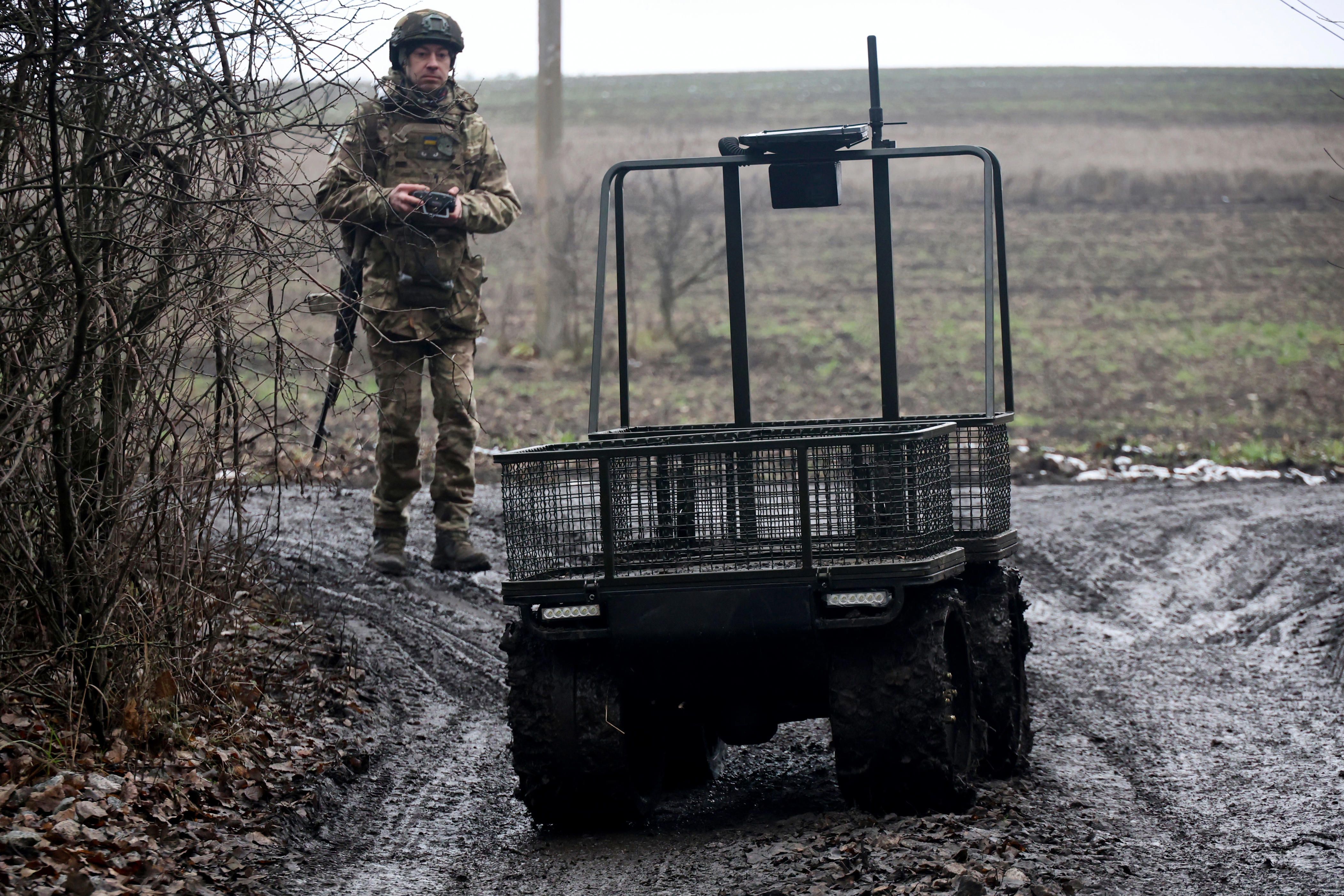
Drone Deliveries Belousov noted that Russia expanded the use of drones and all-terrain vehicles to deliver 12,000 tons of cargo to the front lines this year. The goal is to double this figure by 2026. Both countries are developing uncrewed ground vehicles for supply delivery and assaults, reducing risks for human soldiers.
-
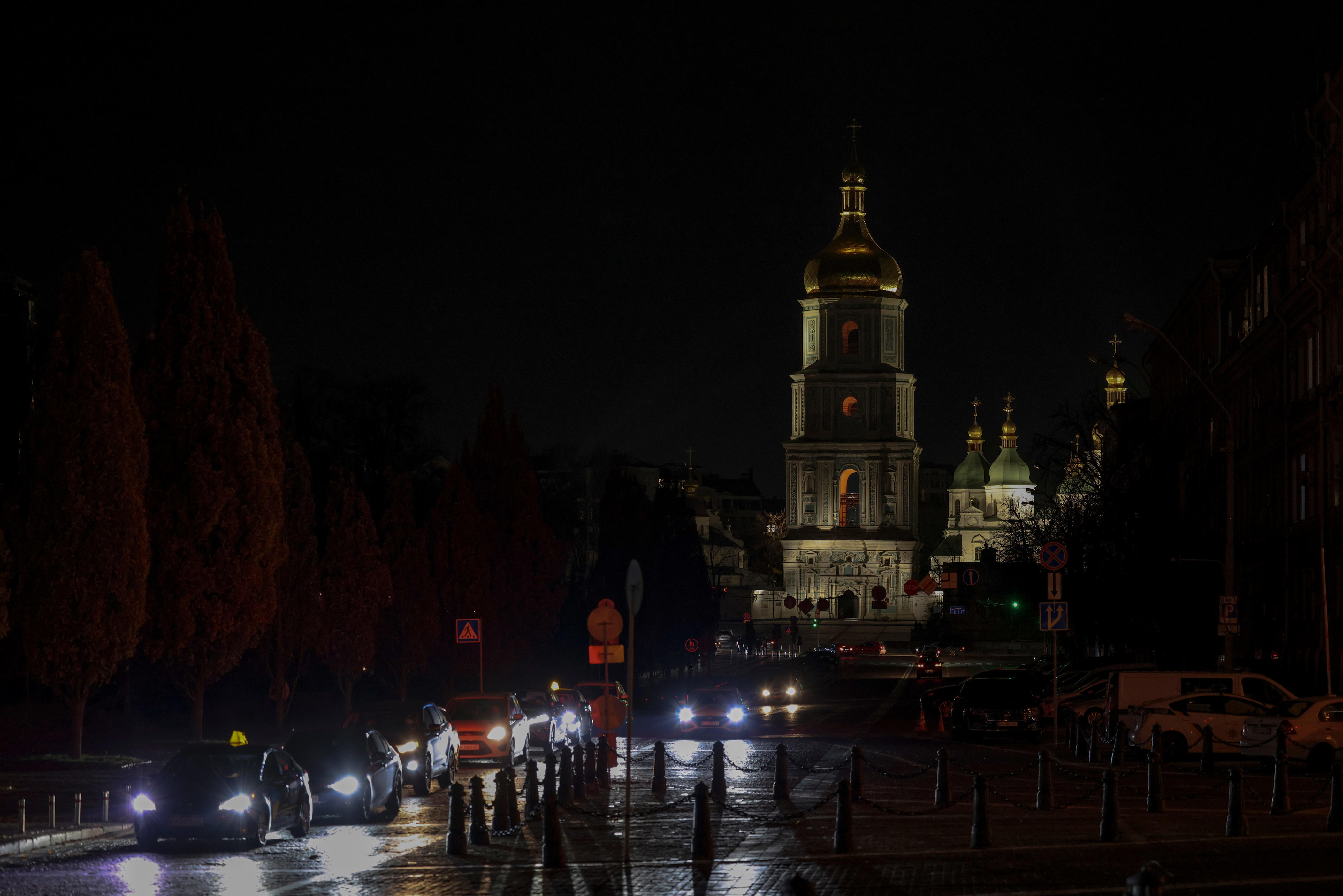
Targeting Ukraine's Energy Grid Belousov stated that Russia has conducted precision strikes against Ukraine's power facilities, disabling over 70% of thermal plants and 37% of hydroelectric plants. He claimed a 60% effectiveness rate for these strikes, significantly higher than Ukrainian strikes on Russian territory. However, the UN has criticized these attacks for disproportionately affecting civilians, especially during harsh winters.

Post a Comment for "10 Key Moments from Russia's Ukraine War Update"
Post a Comment