YouTube Offers the Oscars a Much-Needed Lifeline
A New Era for the Oscars
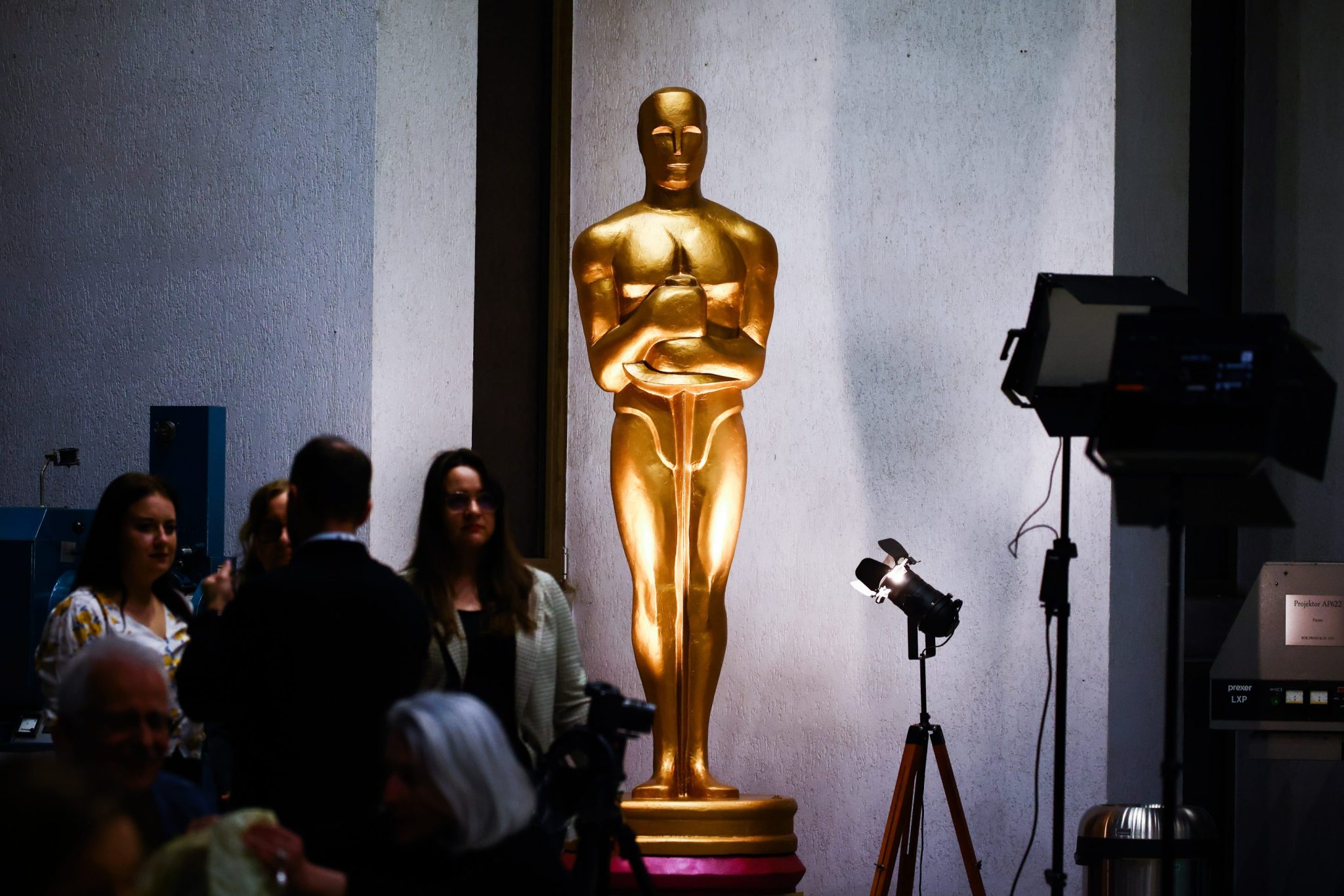
The Academy Awards, once the pinnacle of television's most glamorous nights, have been experiencing a steady decline in viewership for years. On Wednesday, the Academy of Motion Picture Arts and Sciences took a significant step to address this issue by announcing a multiyear deal that grants YouTube exclusive global streaming rights to the Oscars from 2029 through 2033. This move marks the end of a long-standing partnership with ABC that began in 1976 and signals a fundamental shift in how Hollywood honors its achievements.
This decision reflects a clear acknowledgment of the ceremony’s diminishing influence on American culture. The peak of Oscar viewership was in 1998, when 55 million people tuned in to watch Titanic sweep the awards. In contrast, the 2025 broadcast drew 19.7 million viewers—a five-year high, but still less than a third of that peak.
The Academy had been exploring alternatives as ABC’s contract neared its 2028 expiration, and YouTube’s bid clearly outperformed what traditional broadcasters offered.
“We are thrilled to enter into a multifaceted global partnership with YouTube to be the future home of the Oscars and our year-round Academy programming,” said Academy CEO Bill Kramer and president Lynette Howell Taylor in a joint statement. “The Academy is an international organization, and this partnership will allow us to expand access to the work of the Academy to the largest worldwide audience possible—which will be beneficial for our Academy members and the film community.”
Expanding Global Reach
The primary motivation behind the deal is the vast global reach of YouTube. With over 2 billion viewers worldwide, the ceremony will stream live and free to all of them, as well as YouTube TV subscribers in the United States. The platform will also provide closed-captioning and audio tracks in multiple languages—features that align with how younger audiences consume content.
YouTube CEO Neal Mohan described the partnership as both preservation and evolution. “The Oscars are one of our essential cultural institutions, honoring excellence in storytelling and artistry,” Mohan said. “Partnering with the Academy to bring this celebration of art and entertainment to viewers all over the world will inspire a new generation of creativity and film lovers while staying true to the Oscars’ storied legacy.”
More Than Just the Main Telecast
The deal goes beyond the main telecast. YouTube gains rights to red-carpet coverage, behind-the-scenes programming, the Oscar nominations announcement, Governors Ball access, Academy member interviews, film education programs, and podcasts. It also becomes the exclusive worldwide home for the Governors Awards, Student Academy Awards, and Scientific and Technical Awards—ceremonies that previously received little attention.
Although financial terms were not disclosed, this arrangement makes the Oscars the first of entertainment’s “big four” awards shows—the Oscars, Grammys, Emmys, and Tonys—to abandon broadcast television entirely. ABC will continue airing the ceremony through 2028, which includes the milestone 100th Oscars, before ceding the stage.
Broader Trends in Live Events
This move highlights a broader trend of live events migrating to streaming platforms. YouTube already commands the largest share of U.S. streaming television viewership, according to Nielsen. While Netflix has acquired rights to the SAG Awards, the Oscars represent a far more significant prize: Hollywood’s ultimate brand.
Mixed Industry Reactions
Industry reactions to the deal have been mixed. Some view it as necessary modernization, while others see symbolism in the ceremony’s demotion from network television’s primetime throne to a free platform where viewers routinely skip pre-roll ads. Screenwriter Daniel Kunka captured the anxiety on social media, stating, “Broadcasting the Oscars on YouTube is like shaking hands with the guy who’s trying to kill you.”

Post a Comment for "YouTube Offers the Oscars a Much-Needed Lifeline"
Post a Comment