Why Florida Can't Afford to Lose Arts Funding
Floridians may soon find themselves in another fight to protect funding for Arts and Culture within the state. On December 10, Governor Ron DeSantis unveiled his proposed $117.4 billion budget for the 2026–27 fiscal year, which once again excludes any financial support for Arts and Culture grants. The term “Floridians” is used here rather than “Supporters of Arts and Culture” because the benefits of a thriving arts scene are felt by all residents, not just those directly involved.
This time, it will be up to Florida’s legislature to address this omission. In turn, the Arts and Culture sector and its advocates will need to continue their efforts to remind lawmakers of the significant economic impact of the industry. According to Americans for the Arts, the sector contributes $5.8 billion annually in economic activity, with $2.6 billion coming from nonprofit arts organizations and $3.2 billion from audience spending.
The sector supports 66,700 full-time equivalent jobs and generates $3 billion in household income and $1.1 billion in annual tax revenue. As a major driver of tourism, the Arts and Culture industry represents one of the most cost-effective investments in economic development for the state.
While the economic impact often resonates with legislators, there is a deeper, more personal connection that many Floridians may overlook. If every individual took a moment to reflect on how they are affected daily by the arts, they might understand the importance of preserving state grants.
Consider the experience of attending a performance of The Nutcracker, watching a local theater production, enjoying a free outdoor concert of bluegrass or jazz, or participating in an art event on First Friday. Or think about taking children to a symphony performance or allowing them to express themselves through drawing, painting, dancing, or singing in community choruses. These experiences are just a few examples of how the arts enrich everyday life.
The reality is that without state funding for Arts and Culture, many programs that benefit all Floridians will disappear. This loss could have a severe negative impact on the state’s ability to attract and retain talent.
Professionals and entrepreneurs in the creative economy will likely choose locations that align with their goals and values. Talented individuals in the sector who lose their jobs due to funding cuts may leave the state, creating a noticeable cultural void. Additionally, the state would suffer significant losses in cultural tourism revenue.
The 2026 legislative session begins on January 13, just a few weeks away. Residents across Leon County and throughout Florida should start making calls and writing letters now to voice their support for arts funding.
In 2024, the community was caught off guard. That won’t happen again.
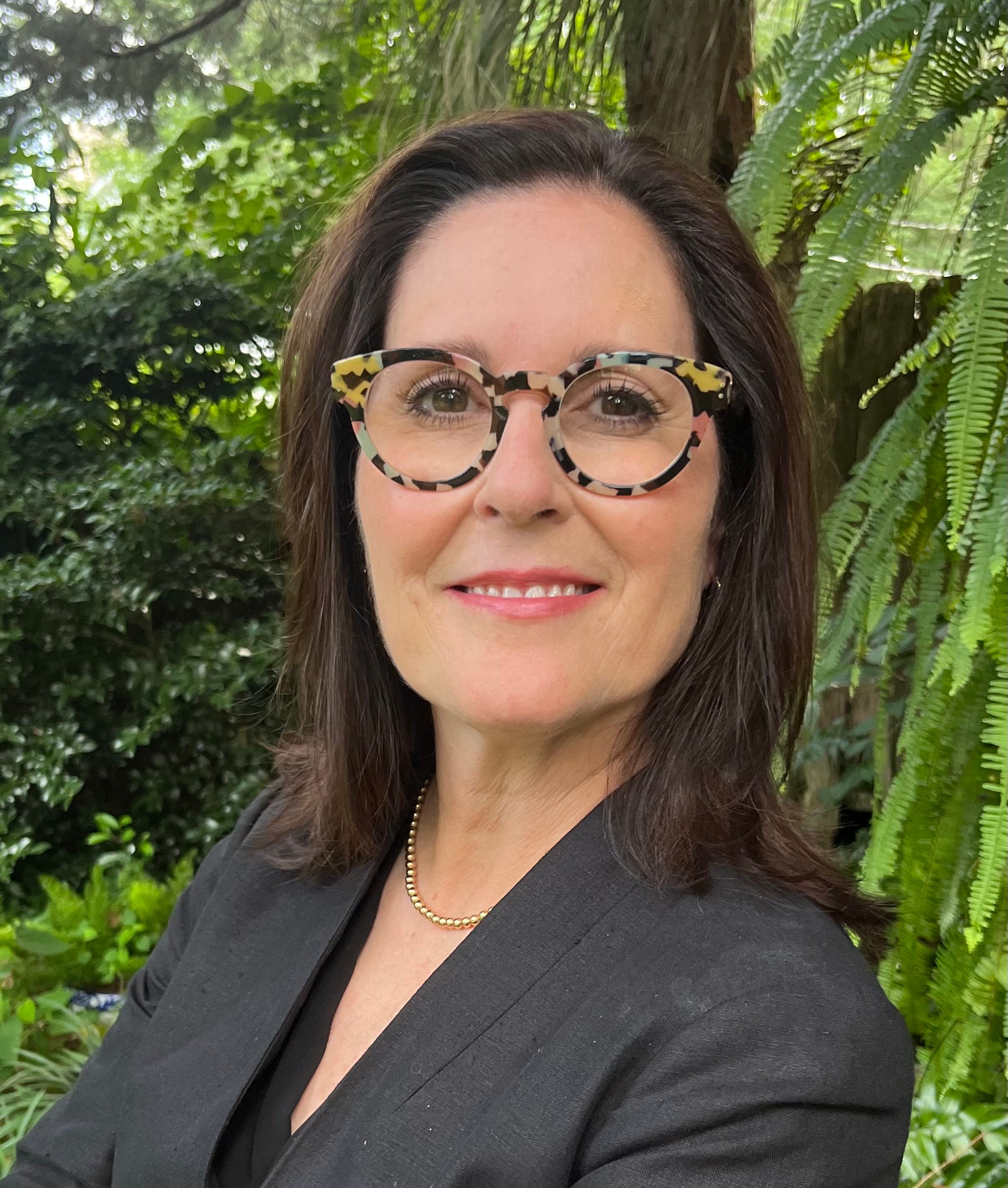
Amanda Stringer has been the CEO of the Tallahassee Symphony Orchestra since 2010.
JOIN THE CONVERSATION
Send letters to the editor (up to 200 words) or Your Turn columns (about 500 words) to letters@tallahassee.com. Please include your address for verification purposes only, and if you send a Your Turn, also include a photo and 1-2 line bio of yourself. You can also submit anonymous Zing!s at Tallahassee.com/Zing.
Submissions are published on a space-available basis. All submissions may be edited for content, clarity, and length, and may also be published by any part of the USA TODAY NETWORK.

Post a Comment for "Why Florida Can't Afford to Lose Arts Funding"
Post a Comment