Voices: Will Osborne's Policies Cost Us Our Jobs?
The UK is facing a significant economic challenge, as recent data from the Office for National Statistics (ONS) reveals that unemployment has risen to 5.1 percent. This marks a one-point increase since Labour took office over a year ago, highlighting the growing pressure on the job market during mid-December.
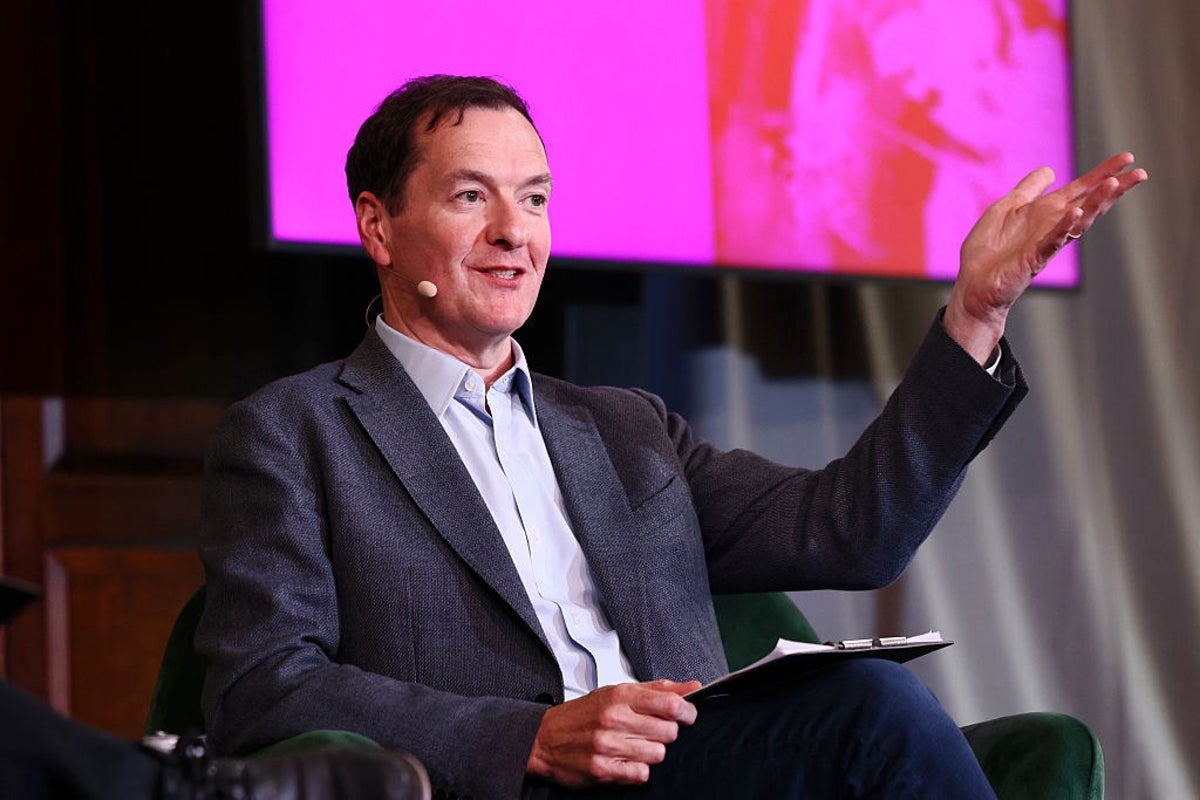
Despite the grim statistics, one individual seems unaffected by the gloom: George Osborne, a well-known figure in the world of finance and politics. Osborne recently announced his new role at OpenAI, set to begin in January. His LinkedIn profile, already packed with professional achievements, is now adding another impressive feather to its cap.
Osborne’s move to OpenAI is just another example of his diverse career path. He has been involved in various roles, including serving as the chair of the British Museum, advising cryptocurrency exchange Coinbase, and co-hosting a podcast with former Labour minister Ed Balls. However, he will be stepping down from his position as an investment banker, which he held since leaving the Evening Standard in 2020. The role was taken over by Evercore in the summer.
His new position at OpenAI will serve as a bridge between Silicon Valley and the British government, with Osborne based in London. This development puts an end to the image of Osborne being out of place in San Francisco's casual environment. Instead, it highlights his ability to navigate different industries and maintain a high-profile presence.
Osborne's magnetism is not just about hustle; it's more about his unique ability to attract opportunities. In 2017, a political friend of Osborne's described him as having an "incredible knack of getting into things." Unlike pushy networkers, Osborne seems to have a hypnotic effect on people, making them want him to join their endeavors.
This new role at OpenAI may also be a strategic move in response to Rishi Sunak's recent announcement of joining Anthropic, a rival AI company. The competition among Silicon Valley AI firms for influence in the UK has intensified, with Microsoft recently pledging $30 billion to expand AI infrastructure in the country. Additional investments from companies like Nvidia and Google further highlight the growing interest in the UK's tech sector.
Osborne is not the only political figure to transition into the tech industry. Nick Clegg, Osborne's former Cabinet colleague, recently stepped down from his role at Meta. Clegg shared some insights about the challenges of adapting to the tech world in his memoir, describing the complex language and culture of Silicon Valley.
While AI offers numerous benefits, Osborne's new role involves engaging with the government to promote AI usage. This comes at a time when the Trump administration has stalled talks on the UK-US Technology Prosperity Deal. Although the $31 billion investment remains unaffected, the US is delaying the deal due to broader disagreements over digital regulations and food safety rules.
It is unclear what the quality of beef has to do with technology, but the Trump team appears to be linking the tech deal to the Economic Prosperity Deal struck in May. This has led to delays in the negotiations.
For Osborne, this new venture presents both opportunities and challenges. He will need to navigate the complexities of the tech industry while balancing his other roles. At least, he can find solace in the fact that he has a fellow politician, Rishi Sunak, who may share similar experiences in the AI world.

Post a Comment for "Voices: Will Osborne's Policies Cost Us Our Jobs?"
Post a Comment