Trump's tariffs hurt small US makers and iconic music businesses
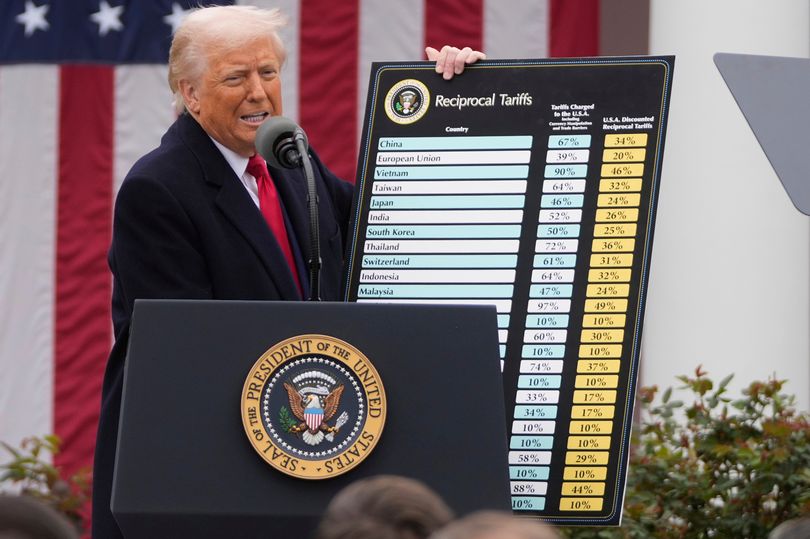
Small manufacturers across the United States are experiencing significant challenges due to the Trump administration’s broad tariffs, which have impacted a wide range of industries. The music industry is no exception, with companies like EarthQuaker Devices facing financial strain as a result.
EarthQuaker Devices, based in Akron, Ohio, produces custom handmade guitar pedals that are used by some of the world's most famous musicians, including Radiohead, PJ Harvey, and the Smashing Pumpkins. Their most popular model, the Plumes, has sold over 67,000 units. The company uses more than 1,000 components for its effects pedals, many of which are imported from countries such as China or Vietnam. Alternatively, these parts are sourced from companies that import them from overseas.
Since the start of Trump’s second term, Julie Robbins, an employee at EarthQuaker Devices, has reported that business has been negatively affected. According to The Guardian, she stated, “The tariffs are adding up to 30% to our costs. I would have at least a couple of new positions open now if it weren’t for the tariffs.”
Despite absorbing 100% of the additional costs, the company is finding it increasingly difficult to remain financially viable. Robbins described the tariffs as feeling like “gaslighting,” and added that they “are of no benefit to manufacturing in America.” She explained that the stated goals of the tariffs—reshoring manufacturing, negotiating better trade terms, and raising money for the US treasury—are not achievable simultaneously.
Ohio is the third-largest manufacturing state in the country, following California and Texas. Cities like Cleveland, Youngstown, and Akron were once key centers for U.S. industrial manufacturing, particularly in steel and oil production. However, these areas are now part of the Rust Belt, a region that was once central to the nation’s manufacturing, steelmaking, and coal industries but has experienced a significant decline. This decline led to widespread unemployment, increased poverty, decay, and population loss.
Trump’s tariffs were intended to bring manufacturing jobs and companies back to the U.S., but they have had a major impact on these communities. According to The Guardian, this region is losing thousands of jobs annually at a rate significantly higher than other midwestern cities.
A recent report by MAGNET: The Manufacturing Advocacy and Growth Network found that one in three manufacturing companies in Northeast Ohio has been affected by the cost of tariffs. The report noted that tariff-related losses amount to 16%, nearly double the related gains of 9%. Despite this, some manufacturers remain optimistic about the potential future benefits of the tariffs, with nearly 24% anticipating that they will lead to sales growth.
However, the report also revealed that only 9% of manufacturers have brought back more production from overseas this year. Additionally, efforts to innovate in northeastern Ohio have been scaled back due to economic uncertainty caused by the tariffs. As The Guardian reports, “With limited bandwidth and shrinking budgets, smaller firms are deferring nonessential projects like R&D and product launches to stay stable in the short term.”


Post a Comment for "Trump's tariffs hurt small US makers and iconic music businesses"
Post a Comment