Trump Sues BBC for $5B Over Jan. 6 Speech Edit
Legal Battle Between Trump and BBC Intensifies
President Donald Trump has filed a $10 billion lawsuit against the British Broadcasting Corporation (BBC), accusing it of distorting his speech on January 6, 2021, in an attempt to sway the outcome of the 2024 presidential election. The legal action was initiated in a Florida court, marking a significant escalation in the ongoing dispute between Trump and the global media outlet.
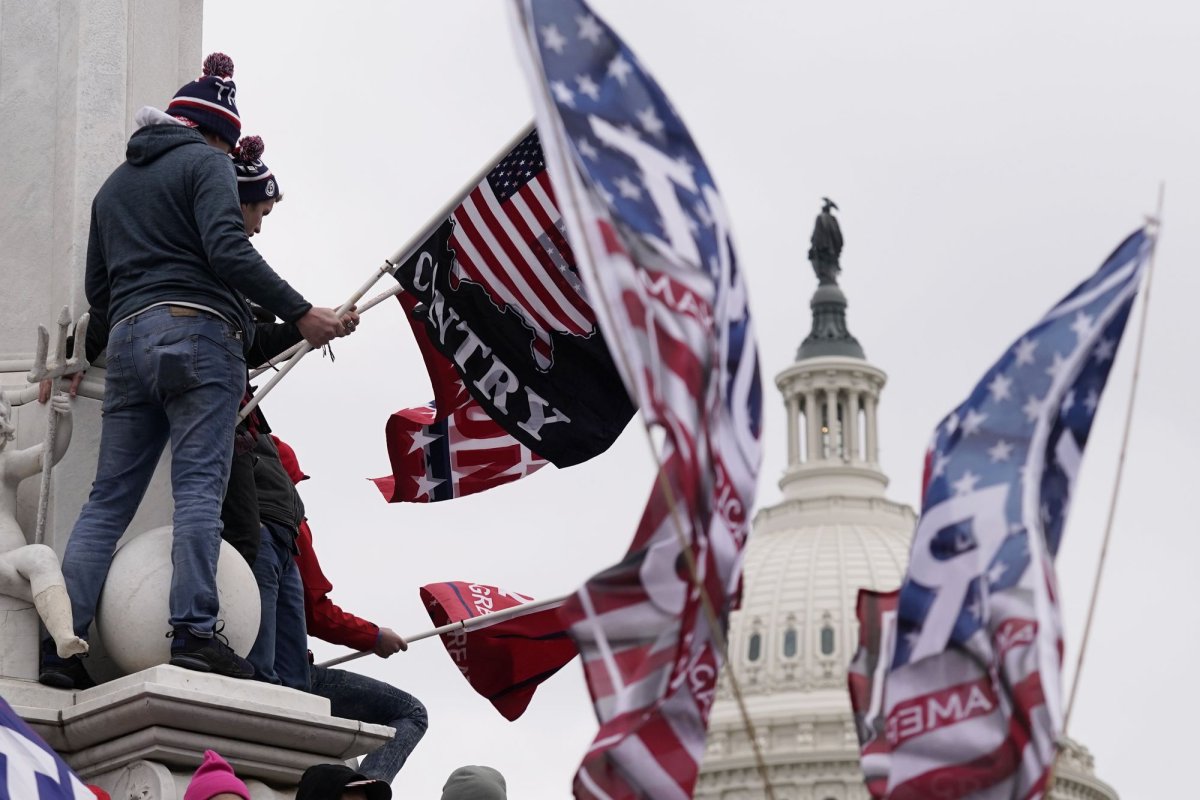
The lawsuit centers around a documentary titled Trump: A Second Chance, which aired as part of the BBC's Panorama series. The film featured a speech that Trump delivered to supporters in Washington, D.C., on the day of the Capitol Hill storming. According to Trump’s legal team, the documentary misrepresented his words by editing together two separate segments of the speech, creating the false impression that he incited violence.
Key Allegations and Claims
Trump's lawyers described the documentary as "false, defamatory, deceptive, disparaging, inflammatory and malicious." They argued that the BBC intentionally altered the content to influence public perception and harm Trump's chances in the upcoming election. The lawsuit seeks $5 billion for each count—defamation and violation of Florida's Deceptive and Unfair Trade Practices Act—along with additional damages, interest, and legal fees.
The BBC has not publicly commented on the lawsuit but has stated it will defend itself in court. The corporation emphasized that the documentary was not broadcast in the United States and was not available for viewing there. However, the controversy surrounding the program has sparked widespread debate about the BBC's editorial practices and its role in shaping public opinion.
Editing Controversy and Public Reaction
In the documentary, video footage of Trump's speech was edited to combine two distinct parts of his address, omitting other sections that could have provided context. This manipulation led to the misleading portrayal of Trump as urging his supporters to march on the Capitol and fight. In reality, his actual words were more measured, stating, "We're going to walk down to the Capitol, and we're going to cheer on our brave senators and congressmen and women."
The issue came to light in early November when The Telegraph reported on a leaked internal BBC memo suggesting that the documentary had been edited to make it appear as though Trump was responsible for the events of January 6. This revelation led to the resignation of BBC's director-general, Tim Davie, and head of news, Deborah Turness. BBC chairman Samir Shah apologized for what he called an "error of judgment."
Response from the BBC and Legal Implications
Following Trump's demand for a correction and compensation, the BBC issued a formal apology and retracted the controversial content. However, the corporation maintained that there was no legal basis for a defamation claim. It also argued that since the documentary was not broadcast in the U.S., it did not cause any harm to Trump or influence the election outcome.
Despite this, Trump's legal team claims that the BBC had a deal with a third-party media company to distribute the documentary outside the UK, potentially amplifying its impact. This raises questions about the extent of the BBC's reach and the potential consequences of its editorial decisions.
Broader Implications and Public Debate
The lawsuit has reignited discussions about the BBC's impartiality and its role as a public service broadcaster funded by a mandatory license fee. Critics argue that the institution must maintain strict neutrality, especially given its global influence. The case also comes at a time when the BBC is undergoing a review of its future, with the renewal of its royal charter approaching in 2027.
Free speech advocates have criticized the lawsuit, arguing that it oversteps legal boundaries. The Foundation for Individual Rights and Expression (FIRE) stated that Trump's claim lacks legal merit and that the case appears to be an attempt to intimidate media outlets. They highlighted that American law does not recognize a claim for "fake news" and warned against using litigation as a tool to silence opposing voices.
Previous Settlements and Ongoing Litigation
Trump has previously settled several high-profile disputes with U.S. broadcasters, often for significantly lower amounts than initially sought. For example, CBS agreed to pay $16 million to settle a $20 billion claim over an interview with Kamala Harris. Similarly, ABC News paid $15 million to resolve a defamation suit involving comments about Trump.
However, some cases have ended in favor of the media outlets. In 2022, CNN successfully defended a $475 million lawsuit alleging defamation over its use of the term "Big Lie" to describe Trump's claims about the 2020 election. The court ruled that the statement did not meet the legal threshold for defamation.
Trump currently has pending lawsuits against The Wall Street Journal and The New York Times, further highlighting his ongoing legal battles with major media organizations.

Post a Comment for "Trump Sues BBC for $5B Over Jan. 6 Speech Edit"
Post a Comment