Trump officials target climate forecasting's global hub
The Trump Administration's Controversial Move Against a Key Research Institution
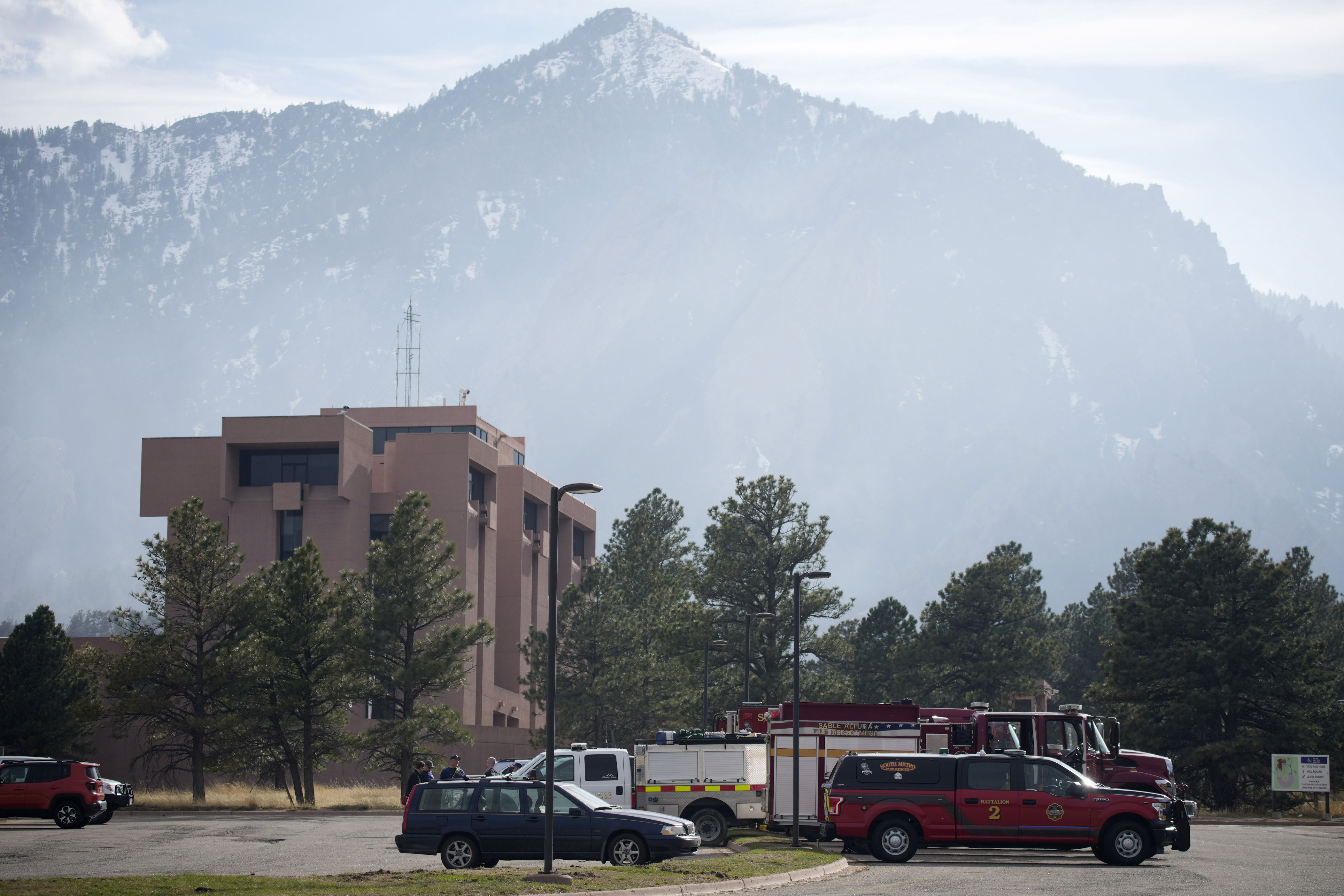
The Trump administration has made a surprising and controversial decision to dismantle the National Center for Atmospheric Research (NCAR) in Boulder, Colorado. This move, which has sparked widespread concern among scientists and local officials, is framed as an effort to combat "climate alarmism." However, critics argue that the action could have far-reaching consequences for scientific research and public safety.
A Major Shift in Federal Science Policy
Russell Vought, the director of the White House Office of Management and Budget, announced the plan on social media, stating that NCAR is one of the largest sources of climate alarmism in the country. While the exact reasons behind this decision remain unclear, the move appears to be part of a broader pattern of criticism against scientific institutions that focus on climate change.
The announcement came as a shock to many, including scientists who rely on NCAR’s resources for their research. The center, established in 1960, has played a vital role in advancing atmospheric science through its supercomputers, datasets, and high-tech research planes. It has also been instrumental in educating future generations of scientists.
Concerns Over the Impact on Scientific Research
Kevin Trenberth, a distinguished scholar at NCAR and a physicist at the University of Auckland, emphasized the importance of the center in advancing climate science. He noted that NCAR's work is essential for developing the climate models used in weather forecasts that people see on the nightly news.
Colorado Governor Jared Polis (D) expressed concern over the potential impact on public safety and scientific progress. He stated that if the move is true, it would put public safety at risk and attack the very foundation of scientific research. Polis highlighted that NCAR’s work extends beyond climate science, playing a critical role in predicting severe weather events such as fires and floods.
Political Tensions and Unanswered Questions
The timing of the announcement coincides with heightened political tensions in Colorado, particularly regarding the case of Tina Peters, a former county clerk convicted of felony charges related to efforts to overturn the 2020 presidential election. President Donald Trump recently announced his intention to pardon Peters, but the legal implications of this decision remain uncertain.
Colorado’s Democratic senators, John Hickenlooper and Michael Bennet, along with Rep. Joe Neguse, strongly criticized the move and vowed to oppose it. Despite these concerns, a White House official denied that the decision was linked to the state’s handling of the Peters case, stating that the facility was not aligned with the president’s agenda.
Reactions from the Scientific Community
The National Science Foundation (NSF), which funds NCAR, was caught off guard by the announcement. According to a source familiar with NSF operations, the agency will need to be involved in any transfer of assets or capabilities. The NSF plans to publish a letter outlining next steps, including the transfer of the NCAR-Wyoming Supercomputer and the sale or transfer of two aircraft managed by the center.
Antonio Busalacchi, president of the University Corporation for Atmospheric Research, expressed deep concern over the potential dismantling of NCAR. He warned that such a move would set back the nation’s ability to predict and respond to natural disasters.
The Broader Implications
Katharine Hayhoe, a professor at Texas Tech University, described NCAR as a “global mothership” for atmospheric science. She argued that dismantling the center would be akin to damaging the keystone of scientific understanding.
Caspar Ammann, a former researcher at NCAR, emphasized the unique role the center plays in bringing together experts to address major climate and weather challenges. Without NCAR, he said, much of the research conducted at U.S. universities would suffer, and industries would lose access to reliable data.
A Loss for Future Scientists
Trenberth also raised concerns about the impact on early-career scientists. He feared that the closure of NCAR could disrupt the development of the next generation of researchers in weather and climate science.
As the situation unfolds, the scientific community remains vigilant, hoping that the decision to dismantle NCAR can be reversed. For now, the uncertainty surrounding the future of this vital institution continues to raise questions about the direction of federal science policy.

Post a Comment for "Trump officials target climate forecasting's global hub"
Post a Comment