Tony Stewart's Direct Warning After Chase Elliott's SRX Crisis
Tony Stewart's Blunt Warning Against NASCAR's SRX Campaign
Tony Stewart’s recent comments following Chase Elliott’s intense experience in the SRX series have sparked a significant debate within the world of American motorsports. Rather than taking a diplomatic approach, Stewart directly addressed what he sees as an overreach by NASCAR executives who are trying to suppress the growth of the short summer series. His message highlights a growing divide between the traditional power brokers of NASCAR and the drivers and owners who view SRX as a crucial platform for competition and fan engagement.
At the heart of this conflict is more than just one dramatic night for Elliott. The fallout from his SRX incident, combined with Stewart’s strong response, has revealed how aggressively some NASCAR officials have attempted to limit the influence of the Serie. This tension has brought private frustrations into the public eye, exposing a deeper struggle over the future direction of the sport.
Stewart’s Reaction to Elliott’s SRX Incident
Stewart’s reaction to Elliott’s SRX scare was shaped by his dual role as a co-founder of the series and a competitor who still enjoys racing against top NASCAR stars. From his perspective, Elliott’s experience highlighted the inherent risks that drivers take every time they get behind the wheel, rather than indicating a unique danger that justifies corporate concern about SRX. Stewart framed the incident as evidence that racers will always seek out competition wherever it exists, and that attempts to restrict them from participating in a series built around short tracks and fan access miss the point of why drivers like Elliott choose to race in the first place.
This stance put him at odds with NASCAR executives who, as revealed in legal filings, expressed deep concerns about top names competing in SRX. In internal messages, officials criticized drivers and team owners for participating in the series and worried that Elliott’s involvement and the attention surrounding his scare would encourage others to follow suit. Stewart, who has described his time in SRX as “having a ball,” saw these concerns as proof that NASCAR was more focused on control than on the health of the broader racing ecosystem.
Inside NASCAR’s Private Frustration with SRX
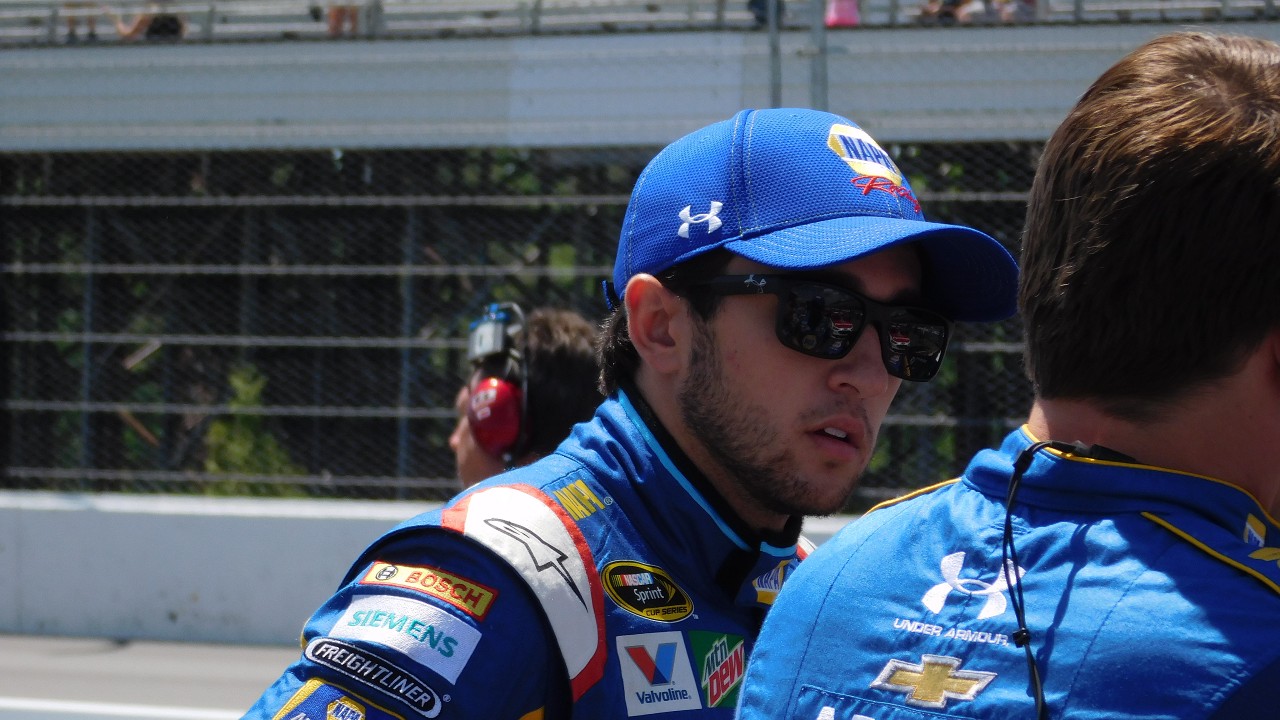
Behind the scenes, Elliott’s SRX appearance became a focal point in a larger internal argument about how much freedom NASCAR-affiliated drivers and owners should have to compete elsewhere. One redacted message thread that surfaced in court included a sarcastic comment: “Oh great, another owner racing in SRX.” This line captured the frustration among officials who felt that high-profile figures lending their star power to a rival series undermined the integrity of NASCAR’s calendar and commercial ecosystem.
The complaints were not just about scheduling or safety but also about the optics of NASCAR’s biggest names supporting a competing platform. These messages showed executives venting about how “these guys are just plain stupid” for helping a rival product, arguing that every appearance in SRX made it harder to maintain tight control over the teams. The frustration extended beyond Elliott to other crossover figures, painting a picture of leadership that viewed SRX less as a complementary series and more as a direct challenge to its authority.
“Pure and Simple. Enough.” Stewart Pushes Back on Control
Stewart’s blunt message, delivered after the internal texts became public, was aimed at what he saw as an overreach by NASCAR leadership. He argued that the campaign to discourage participation in SRX had gone too far, and he emphasized his stance with a simple but powerful verdict: “Pure and simple. Enough.” For Stewart, this phrase was not just a sound bite—it was a boundary, a clear signal that the sport’s power brokers needed to stop policing where drivers chose to race.
His criticism came at a time when NASCAR commissioner Steve Phelps was already under scrutiny for the organization’s aggressive approach to managing the SRX issue. The same documents that revealed internal grumbling about Elliott also showed calls for legal action, with one executive urging, “We need legal to take a shot at this.” This indicated that the conflict had moved beyond casual annoyance into a strategic effort to rein in the Serie. Stewart interpreted this posture as a threat to the independence of drivers and owners, and his public pushback, including his pointed “Pure and simple. Enough.” rebuke, was a direct response to the tone set by NASCAR and Phelps in those discussions.
The “Knife” Texts and a Broader Campaign Against SRX
The Elliott scare and Stewart’s response did not occur in isolation. They took place against the backdrop of earlier messages in which NASCAR officials discussed wanting to “put a knife” in SRX. This language underscored how seriously they viewed the upstart series as a threat to their dominance. These texts, unsealed in a separate trove of documents, showed that the concern was not limited to one driver or one race but extended to the entire concept of a made-for-TV summer championship that could draw attention away from NASCAR’s own calendar.
In the same batch of documents, NASCAR’s position was discussed alongside the interests of 23XI Racing and Front Row, organizations that operate within the Cup Series but also navigate the politics of where their drivers and partners appear. The fact that these teams were mentioned in the context of the SRX dispute highlighted how deeply the issue had permeated the competitive and commercial landscape, with stakeholders weighing the benefits of extra seat time and exposure against the risk of angering the sanctioning body.
What Elliott’s Scare and Stewart’s Stance Mean for Drivers and Fans
For drivers, the clash over SRX ultimately comes down to autonomy. Elliott’s willingness to race in the Serie despite the risks and the clear irritation from NASCAR executives signaled that top stars still value the chance to compete in different machinery, on different tracks, and in front of different crowds. Stewart’s defense of that choice, strengthened by his “Pure and simple. Enough.” line, gave those drivers a powerful ally who understands both the corporate and competitive sides of the equation and is willing to speak publicly about issues many only discuss privately.
For fans, the episode has clarified the stakes around midweek and off-season racing. SRX was designed to bring big names to short tracks that rarely see Cup-level talent, and Elliott’s presence, even on a night that turned scary, delivered exactly that. The backlash from NASCAR leadership, and Stewart’s refusal to back down, has turned the series into a litmus test for how open the sport will be to cross-pollination between its flagship championship and alternative platforms. If Stewart’s message resonates, it could embolden more drivers and owners to push back against restrictions and keep SRX, and similar experiments, alive as a vibrant complement to the main show rather than a casualty of corporate control.

Post a Comment for "Tony Stewart's Direct Warning After Chase Elliott's SRX Crisis"
Post a Comment