The Utah Way Triumphs Again

Utah's Leadership in Social Capital
Utah is often at the forefront of national trends and issues, and this holds true when it comes to social capital. The concept of social capital refers to the networks and relationships people form that benefit both themselves and their communities. According to a report by The Utah Foundation, Utah leads the nation in social capital, which has significant implications for its citizens and voters.
Strong communities are built on strong families and strong churches. Utah has both, which contributes to its robust social networks. These networks reduce the need for government intervention as a social safety net. During the holidays, small gestures can make a big difference. Reaching out to someone you haven't spoken to in a while or checking in on a loved one can have a lasting impact.
Shawn Teigen, President of The Utah Foundation, emphasizes that robust social capital leads to better economic prospects and less pressure on the public sector. While Utah is thriving, there is still work to be done. For 12 years, Utah has consistently ranked high in social capital, showcasing a deep-rooted characteristic of its people.
Utah’s score is twice the national average, which highlights its performance but also raises concerns about other Americans. Low social capital can lead to weaker economies and troubled communities, prompting bipartisan concern across the United States.
Local politicians must focus on policies that maintain this strength while not taking it for granted. Voters are looking for substance, and there is a need to celebrate Utah's success while sharing its secrets with other states.
Political Discourse and Leadership
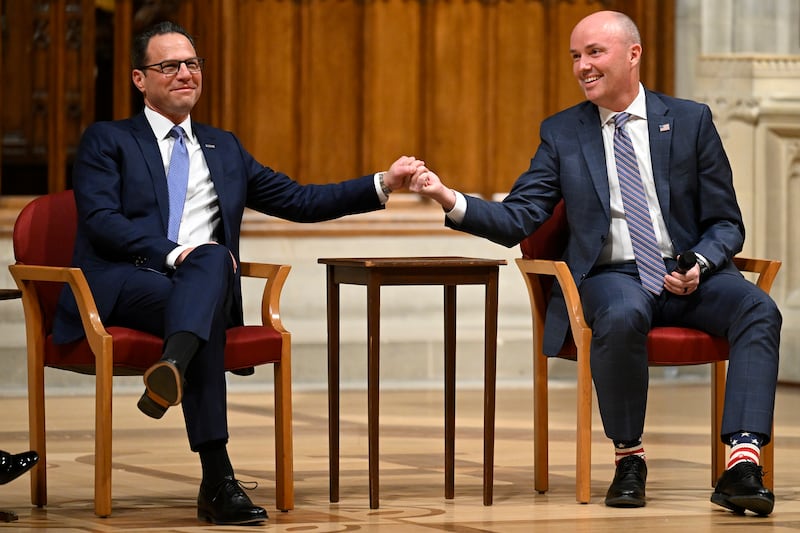
In a politically charged environment, Utah leaders like Governor Spencer Cox and Pennsylvania Governor Josh Shapiro have joined forces on CNN to discuss the future of politics and what they look for in candidates. Their goal is to "lower the temperature" of political discourse. Will this approach influence upcoming elections?
Governor Cox and his counterparts from different parties and religious backgrounds find common ground in their devotion to faith and patriotism. They also share the experience of leading their states through politically motivated violence with strength, respect, and a desire to "disagree better." This approach reminds everyone that we are all Americans with the same unalienable rights.
Cox's compassionate approach differs significantly from that of former President Donald Trump, who faced criticism for his response to the murder of Rob Reiner. Utahns may support some of Trump's policies but find his decorum lacking.
Cox faces criticism from both the left and the right for his "disagree better" initiatives. However, he provides a clear reason in his 2024 Republican convention speech: “You hate me because I don’t hate enough.” His critics protest the vitriol directed at them, but they are frustrated that Cox is doing more than just "talking nice." He is "walking the walk" by challenging all members of the political class to be respectful.
Addressing Homelessness in Salt Lake City
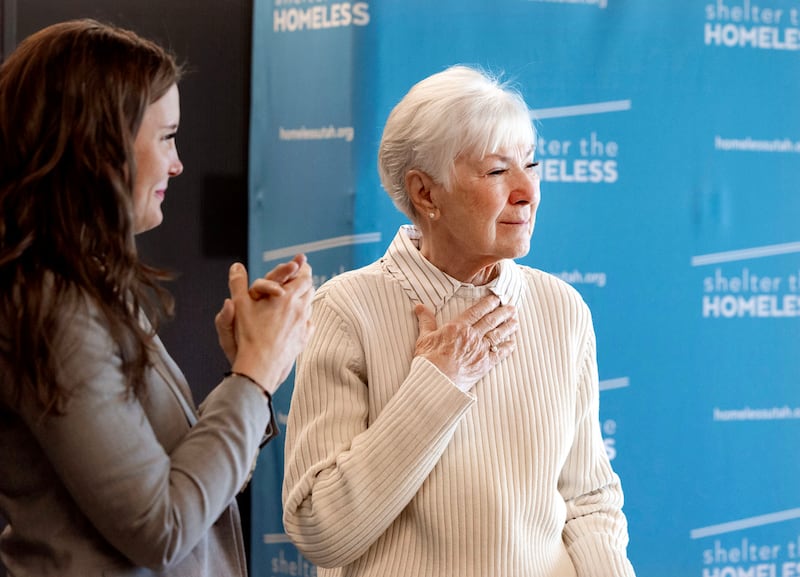
Gail Miller announced a philanthropic gift from the Larry H. & Gail Miller Family Foundation of $10 million for homeless services in Salt Lake City. Will this have an impact on homelessness in Utah's capital city?
Utahns’ commitment to neighbor-helping-neighbor is unmatched. Families like the Millers help make Utah special, and their generosity is a blessing. However, solving this issue cannot be done with money alone, by any one organization, or by the government alone. It requires community solutions.
Homeless Coordinator Tyler Clancy's focus on cracking down on crime while connecting first responders with mental health resources will help address the root causes. Rep. Melissa Garff-Ballard’s focus on connecting individuals to employment opportunities is also an important tool. The most critical intervention, as highlighted by the Utah Foundation survey, is family and neighbors caring for one another. This first line of defense can reduce the need for government intervention after problems have worsened.
As someone who lives, works, and recreates in Salt Lake City, I encounter homeless individuals every day. I hear their pleas for spare change and often clean the waste they leave behind. Along with other residents and business owners, we yearn for a solution. The continued generosity of the Miller family and many other Utahns, combined with practical public policies enacted by officials, will make a significant impact.

Post a Comment for "The Utah Way Triumphs Again"
Post a Comment