The music industry removes humanity from hitmaking
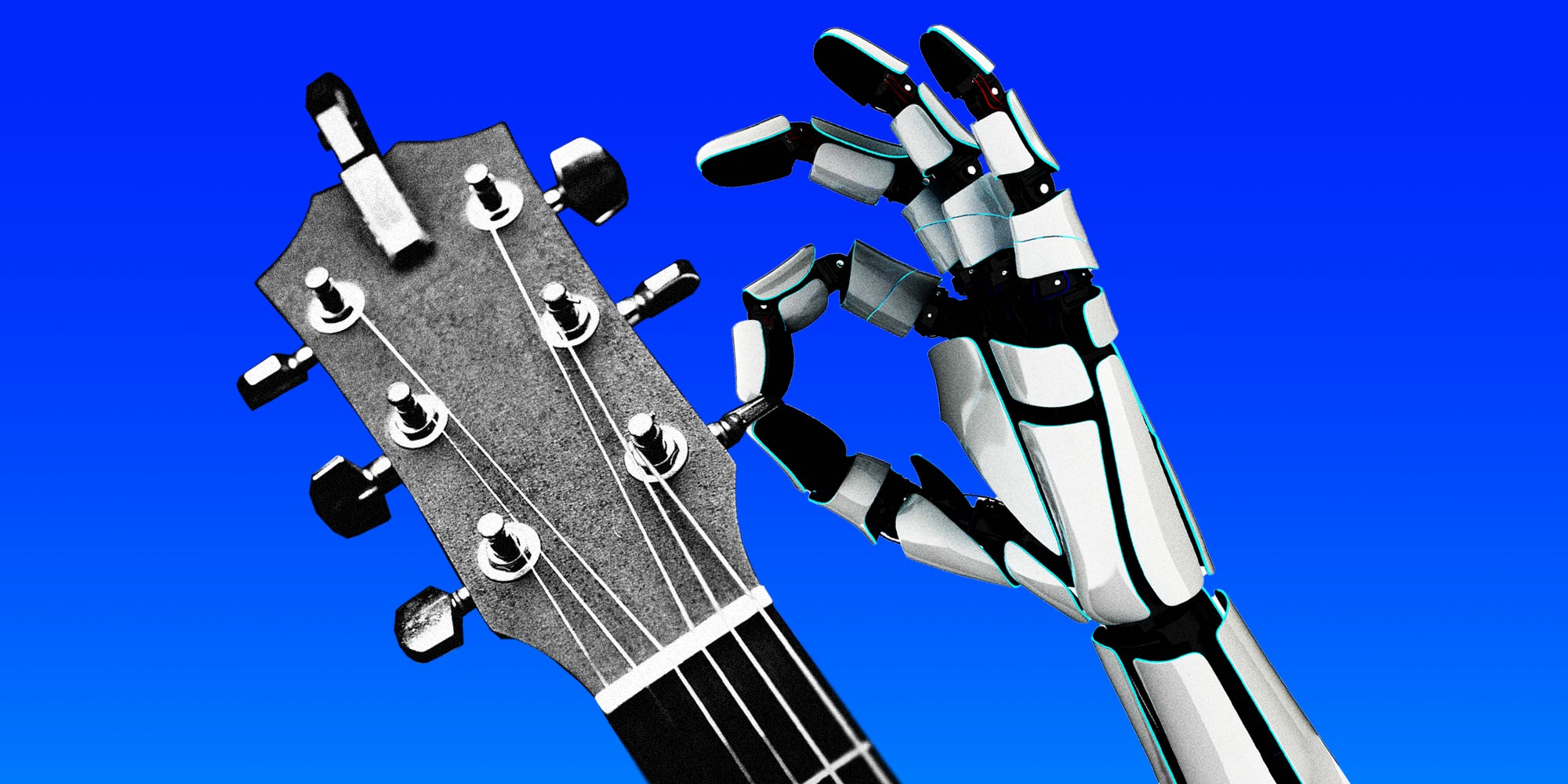
The Rise of AI-Generated Music and the Battle for Creative Control
Last month, a song titled "Walk My Walk" claimed the top spot on Billboard's Country Digital Song Sales chart. This moody stomp-clap tune, with lyrics like "Every scar's a story that I survived, I've been through hell, but I'm still alive," has amassed over 8 million streams on Spotify. However, the artist behind this track is not a human — it's an AI project called Breaking Rust. Despite having the profile image of a rugged, handsome man in a cowboy hat, the true creator of Breaking Rust remains unknown. Meanwhile, Blanco Brown, a country-rap artist, claims that the song was created by someone who used AI to mimic his style. The person behind Breaking Rust has yet to respond to inquiries about the origins of the track.
This situation highlights the growing confusion surrounding AI-generated music. As these tracks become more popular, questions arise about who truly owns the creative rights to a piece of music. AI-generated songs that sound eerily similar to well-known artists can go viral quickly, often outpacing the ability of music labels to remove them from platforms.
Legal Battles and New Collaborations
When AI-generated tracks first started gaining traction two years ago, music labels took swift legal action. Universal Music Group (UMG) demanded the removal of a YouTube video where Eminem's voice rapped about cats. Spotify also removed AI-generated songs that were being played by bots to boost streaming numbers. UMG even succeeded in getting a viral "Drake" song taken down, which was actually created by Ghostwriter, an anonymous artist using AI to produce music.
However, the tide is turning. Labels are now beginning to explore partnerships with AI music generators instead of fighting them. Warner Music Group recently settled a lawsuit against Suno, an AI music generator, and announced a partnership with the company. Robert Kyncl, CEO of WMG, described the deal as "a victory for the creative community." Similarly, UMG settled its copyright infringement lawsuit with Udio and entered into a partnership to create a new subscription service based on generative AI.
The Impact on Artists and Listeners
The rise of AI-generated music raises concerns about how it affects both artists and listeners. Mark Mulligan, founder and senior music analyst at MIDiA, notes that "every minute that is spent listening to a generative AI track is a minute less spent listening to an artist track." This shift in listening habits could have significant implications for musicians who rely on streaming royalties.
AI companies face numerous lawsuits due to their use of copyrighted material for training their models. The battle over AI-generated content is not limited to music — it extends to Hollywood, news, and visual arts. In the music industry, labels are increasingly choosing to collaborate with AI rather than engage in lengthy legal battles.
The Future of Music Creation
As AI-generated music becomes more prevalent, the industry is witnessing a flood of new songs. Platforms like Deezer report that nearly 20,000 fully AI-generated tracks are uploaded daily, making up a fifth of all new content. While some of these tracks are impressive, many are considered "slop."
Artists must now compete for attention in an oversaturated market. The Velvet Sundown, an AI-generated band, recently reached 1 million listens on two albums, a feat that many indie bands struggle to achieve. However, the identities of the real creators behind the project remain hidden.
Billboard has identified at least six AI or AI-assisted songs that have climbed its charts. In response, Spotify updated its impersonation policy, stating it will remove songs featuring unauthorized use of someone's voice.
New Revenue Streams and Ethical Dilemmas
Partnerships between AI companies and music labels aim to create new revenue streams for artists. For example, the Warner Music Group deal with Suno includes provisions that allow only paid accounts to download generated audio, and artists must opt-in to having their names, voices, and likenesses used.
While this could provide passive income for musicians, it also means that their original works will compete with AI-generated derivatives. The question remains: Will fans choose to listen to AI-generated versions of their favorite artists over the originals?
A Return to Communal Music?
Mark Mulligan suggests that AI tools may be helping to return music to its roots. For centuries, music was a communal experience, shared and shaped by communities. With the rise of recording technology and radio, a gap formed between artists and fans. Now, AI is enabling fans to express themselves creatively in ways never before possible.
Some musicians, like Grimes, have already embraced this trend by creating clones of their voices for fan experimentation. However, it's unclear whether mainstream pop stars will approve of their voices being used in AI-generated songs they haven't seen or approved.
Blanco Brown recently released a "trailertrap" remix of "Walk My Walk," reclaiming his style after seeing it emulated. Despite its low stream count, the move reflects a growing awareness among artists about the need to protect their creative identity.
As AI continues to shape the future of music, the industry faces a complex challenge: balancing innovation with the protection of artistic integrity.
If you enjoyed this story, be sure to follow Business Insider on MSN.

Post a Comment for "The music industry removes humanity from hitmaking"
Post a Comment