Speech Therapy Faces Setback in Medicaid Cuts
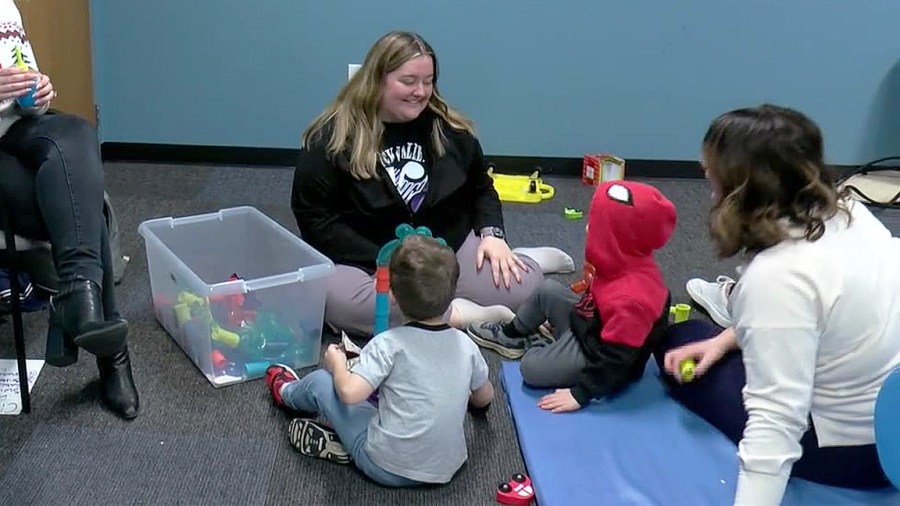
Anna Lang is a mother to twin boys, Henry and Owen. Typically, babies begin cooing or babbling within the first few months of life and start speaking before they turn 18 months old. However, for the Lang family, Henry and Owen developed at a different pace. They barely made any attempts to speak during their first year and a half.
“I felt like I had no idea what I was doing,” said Lang. “I literally tried everything, and I just couldn’t connect or relate.”
The Langs took their sons to Rock Valley Physical Therapy Kids in Davenport for regular sessions. These appointments lasted 45 minutes and occurred two to three times a week. The family was able to afford these services through a Medicaid plan. After three months, they finally heard their twins say their first word.
“Mama,” Lang recalled. “I did cry, as any parent would. Finally, I had seen progress from what we were doing.”
This moment brought the family a significant sense of relief. Since then, they have remained committed to speech therapy. Now almost four years old, Henry and Owen can form short sentences and communicate their needs and wants to their parents.
“I was worried my kids were going to be nonverbal, and that wasn’t the case,” said Lang. “I really just needed to continue with consistency.”
Lang understands the importance of speech therapy, but changes in federal Medicaid policies are making this process more challenging. Previously, the government reimbursed the full cost of 40 to 45-minute therapy sessions. Now, reimbursement is limited to only 15 minutes per session, forcing providers like Rock Valley to make difficult financial decisions.
“It’s going to put us in positions where we may have to go out of network with some of our Medicaid providers, limiting access to children who really need services,” said Maggie Bonhert, the clinic manager at Rock Valley Kids. “It puts us in a position where we may have to shorten our sessions from 15 to 20 minutes.”
Ideally, the clinic would see patients more frequently with the shorter sessions. However, this isn’t entirely feasible, according to Bonhert. The clinic already has 200 to 300 speech therapy appointments each month. Adding more due to the shortened sessions could extend waitlists. Another concern is the travel time for families. Many of their patients live more than 15 minutes away, and Bonhert believes families would likely not increase the number of visits due to the time commitment required for travel.
Bonhert’s main worry about the change is the reduced session length. 15 to 20 minutes is hardly enough time to get started, she said.
“Getting to a place where we’re regulated and warmed up, now we can do the work,” Bonhert explained of their typical appointment. “That’s usually what happens in the first 15 minutes.”
Due to financial restrictions, Rock Valley cannot continue with the standard appointment length without full reimbursement for the session. Bonhert fears they may have to start declining applicants who use certain Medicaid coverages. However, Iowa cannot change the rule; the state’s department of health and human services was instructed to sign the law as part of a federal budget bill. If the state were to reinstate reimbursements, it could face federal penalties. With the cut, the state is estimated to save nearly half a million dollars annually, while providers argue this will reduce access and quality of care.

Post a Comment for "Speech Therapy Faces Setback in Medicaid Cuts"
Post a Comment